Stocks● Neutral
Creative Burnout Drives Animator to Launch Curious Pots Side Hustle
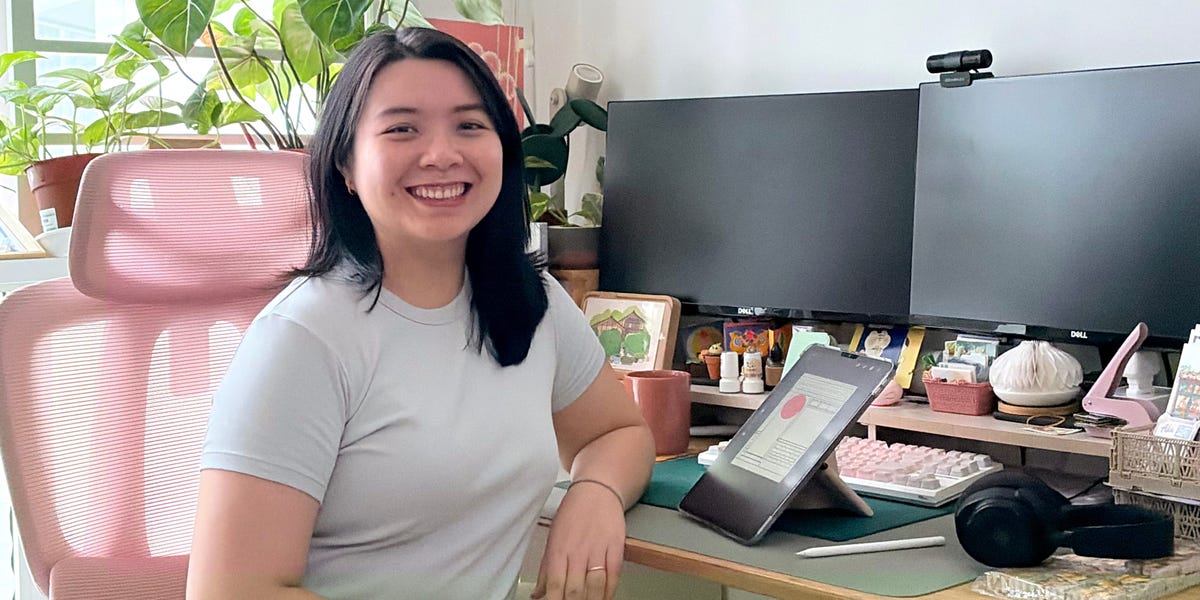
Animator Gwen Lee launched Curious Pots to escape corporate burnout. Her shift from service-based work to independent retail highlights trends in the creator economy.
Continue with
The transition from professional animation to independent creative work often highlights a disconnect between technical skill and personal fulfillment. For Gwen Lee, a 32-year-old animator based in Singapore, the rigid requirements of corporate production cycles created a need for a more tactile and autonomous outlet. This led to the creation of Curious Pots, a side hustle that serves as both a creative escape and a test of independent market viability for her artistic output.
The Mechanism of Creative Pivot
Corporate animation roles frequently demand adherence to strict style guides and client-driven narratives. This environment can stifle the iterative process that many artists find essential for long-term career sustainability. By shifting focus toward her own brand, Lee is navigating the transition from a service-provider model to a product-based business. The primary challenge in this shift is not the artistic execution but the operational overhead of managing inventory, customer acquisition, and brand identity without the infrastructure of a larger studio.
For many professionals in the creative sector, the side hustle functions as a hedge against industry volatility. When the primary income source is tied to project-based contracts or studio cycles, having an independent revenue stream provides a degree of agency. The success of such ventures often depends on the ability to leverage existing digital skill sets to market physical goods, effectively bridging the gap between high-end digital design and consumer-facing retail.