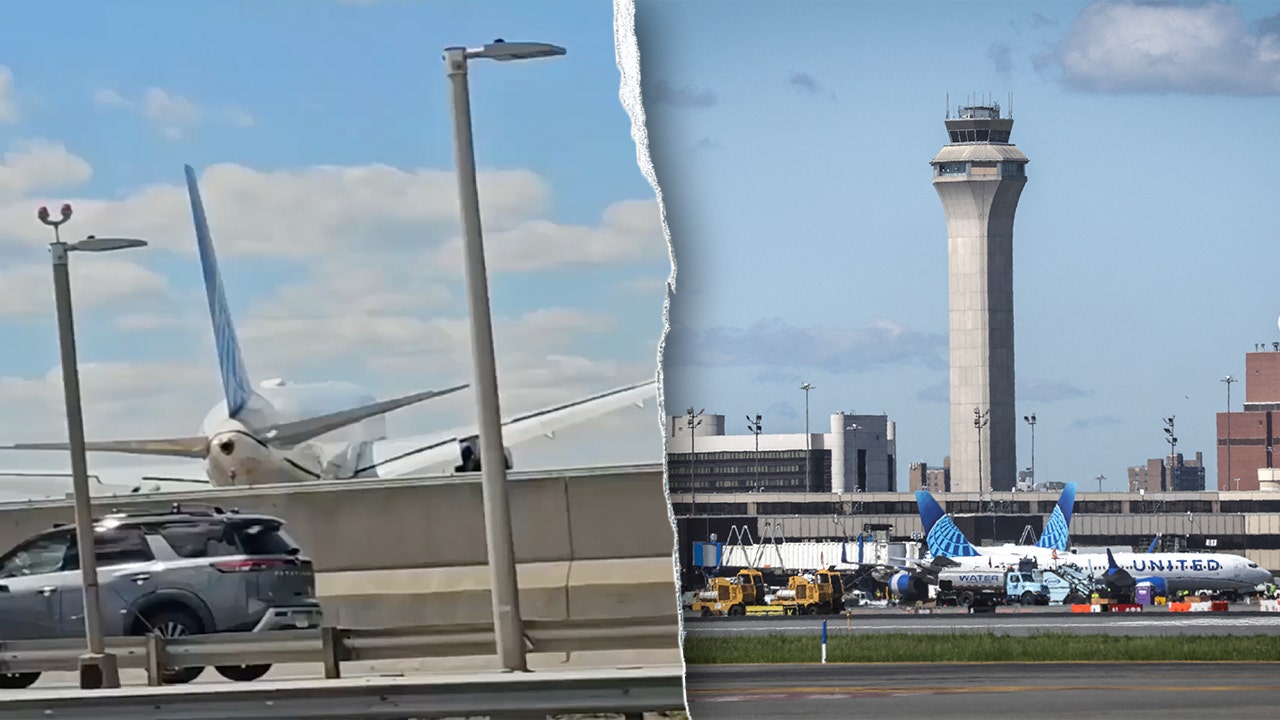
United Airlines Flight 169, arriving from Venice, Italy, made contact with a light pole and a tractor-trailer during its final approach to Newark Liberty International Airport on Sunday at approximately 2 p.m. local time. While the aircraft landed safely and taxied to the gate without injury to its 221 passengers or 10 crew members, the incident has triggered a multi-agency federal investigation. The event, which occurred near the New Jersey Turnpike, resulted in non-life-threatening injuries to the driver of the tractor-trailer, who was transported to a hospital after the aircraft's landing gear and underside struck the pole, subsequently causing it to hit a Jeep on the roadway.
Operational Impact and Regulatory Scrutiny
The immediate fallout for UAL stock page involves a standard but rigorous regulatory response. The Federal Aviation Administration (FAA) has confirmed it is investigating the contact, while the National Transportation Safety Board (NTSB) has formally opened a probe into the circumstances of the landing. The NTSB has directed United Airlines to secure and provide both the cockpit voice recorder and the flight data recorder to facilitate the analysis. A preliminary report detailing the facts of the event is expected within 30 days.
United has confirmed that its maintenance teams are currently inspecting the aircraft for structural damage and conducting a comprehensive safety review. As a procedural precaution, the flight crew involved has been temporarily removed from service pending the outcome of these internal and external investigations. For investors, the primary concern is not the immediate physical damage to the aircraft, but the potential for operational disruptions or increased scrutiny regarding pilot procedures and airport approach protocols. This incident follows a recent report of a potential drone encounter involving a United pilot near San Diego International Airport, which may amplify the focus on the carrier's safety management systems in the short term.
Mechanical and Ground-Level Risk Assessment
The mechanism of the incident—a collision with ground-based infrastructure during the final approach phase—is statistically rare and suggests a deviation from the expected flight path or altitude profile. The involvement of a tractor-trailer and a secondary vehicle on the New Jersey Turnpike adds a layer of third-party liability and external investigation that extends beyond typical aviation safety protocols. The NTSB's decision to dispatch an investigator to Newark on Monday underscores the seriousness with which federal authorities are treating the breach of the airport's perimeter and the impact on ground traffic.
From a market perspective, the financial impact of such an event is generally limited to maintenance costs, potential minor legal liabilities, and the temporary loss of the specific aircraft's capacity. However, the reputational risk and the potential for the FAA to mandate changes to approach procedures at Newark could create localized operational friction. The Alpha Score for UAL currently sits at 60/100, reflecting a moderate risk profile that accounts for the carrier's exposure to both fuel price volatility and the operational complexities of major hub airports like Newark.
Sector Read-Through and Valuation Context
While this incident is isolated to a single flight, it occurs within a broader environment where airline stocks are sensitive to any news that could affect flight frequency or safety ratings. Investors should distinguish between the isolated nature of this collision and systemic risks. The market typically discounts these events quickly unless the investigation reveals a recurring mechanical failure or a systemic breakdown in pilot training protocols.
For those monitoring the stock market analysis, the key to evaluating the risk here is the distinction between pilot error, mechanical malfunction, or external environmental factors. If the NTSB investigation points toward a mechanical failure, the scope of the risk could widen to include other aircraft in the fleet. If the investigation concludes that the event was an isolated operational anomaly, the market impact is likely to be transitory.
What Would Change the Risk Outlook
The current setup for UAL is one of "wait and see." The market will look for the preliminary NTSB report to clarify whether the aircraft's systems were functioning within parameters during the approach. If the data recorders show that the aircraft was performing as expected, the narrative will likely shift toward pilot error or external factors, which are generally viewed as less systemic. Conversely, if the investigation reveals a flaw in the aircraft's flight control systems or a recurring issue with the approach path at Newark, the risk premium on the stock could increase as the market prices in potential fleet-wide inspections or operational restrictions.
Investors should also keep an eye on any broader regulatory commentary regarding airport approach safety. While this event is specific to United, the FAA often applies findings from such investigations to the entire industry. For now, the focus remains on the 30-day window for the NTSB's preliminary findings. Until that report is released, the uncertainty surrounding the cause of the collision will likely act as a minor headwind for the stock, particularly if news cycles continue to highlight the proximity of the incident to the New Jersey Turnpike and the resulting injuries to the truck driver.