The 2026 World Cup is approaching with a significant shadow cast over its host nation. Recent data from the US International Trade Administration indicates a 6% decline in international visitor arrivals to the United States during the first year of the current administration, a period beginning January 20, 2025. This contraction stands in stark contrast to a 4% growth rate in global tourism over the same timeframe. For the travel and hospitality sectors, this represents a structural shift in demand, with an estimated $12.5 billion in lost economic activity attributed to the downturn.
The Mechanism of Travel Friction
The decline in inbound tourism is not merely a function of broader macroeconomic trends but is tied to specific changes in border policy and administrative enforcement. The implementation of what many observers term "extreme vetting" has led to a reduction in visa approvals for temporary and permanent residents, particularly from major markets like India and China. These administrative hurdles, combined with the discretionary nature of border entry decisions, have created a high-friction environment for international travelers. When border officers exercise broad authority, the perceived risk of entry denial increases, prompting potential visitors to redirect their travel plans to more predictable jurisdictions.
This trend is corroborated by the geographic distribution of the decline. Canada and Denmark, two nations previously aligned with US tourism flows, saw visitor numbers drop by 21% and 23% respectively. These figures suggest that the impact of current geopolitical rhetoric and tariff policies extends into the consumer behavior of traditional allies. As the World Cup looms, the uncertainty surrounding entry requirements for fans from diverse backgrounds—particularly those of Middle Eastern, African, Latin American, or Asian descent—has created a "funk" in ticket sales that threatens to dampen the expected economic windfall of the tournament.
Sectoral Exposure and Institutional Risk
The financial implications for US-based entities are becoming increasingly tangible. While the broader market monitors the stock market analysis for signs of consumer resilience, the tourism and hospitality sectors are grappling with a fundamental change in brand perception. The World Tourism and Travel Council has noted that the US is at a crossroads, as Asia-Pacific regions continue to capture a larger share of global inbound tourism. For instance, China hosted 150 million inbound visitors last year compared to 68 million for the US, highlighting a shift in the global travel hierarchy.
Investors tracking the ICE stock page should note that the operational environment for financial and data-driven infrastructure firms is increasingly influenced by the regulatory and social climate. The involvement of agencies like Immigration and Customs Enforcement (ICE) in domestic security and border enforcement creates a complex backdrop for international events. Any further escalation in visa restrictions or high-profile incidents involving international visitors could exacerbate the current "brand damage" identified by industry analysts. The WELL stock page provides further context on how real estate and hospitality assets may be impacted by shifts in long-term occupancy and tourism-driven demand cycles.
The Catalyst Path for June 2026
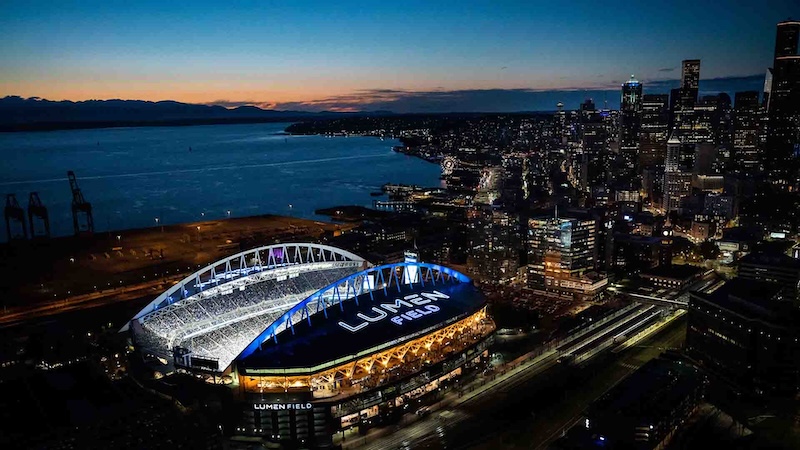
The upcoming match between the Socceroos and the US team in Seattle on June 20 serves as a critical stress test for the current travel environment. With a coalition of over 120 civil society and human rights organizations issuing a "2026 World Cup Travel Advisory," the risk of reputational volatility is high. The advisory cites concerns over racial profiling and the potential for discriminatory practices, which could lead to further declines in attendance from key international demographics.
For the market, the primary risk is not just the immediate loss of tourism revenue, but the potential for a sustained, multi-year erosion of the US as a premier destination for international events. If the tournament proceeds with significant logistical friction or public displays of administrative overreach, the "decades-long slog" to restore international confidence may be prolonged. Conversely, a seamless execution of the tournament, despite the current climate, would be required to stabilize the downward trend in visitor arrivals. Investors should watch for data on ticket resale volume and late-stage visa approval rates as the June 14 start date approaches, as these will serve as the most reliable indicators of whether the current tourism slump will persist through the summer months.