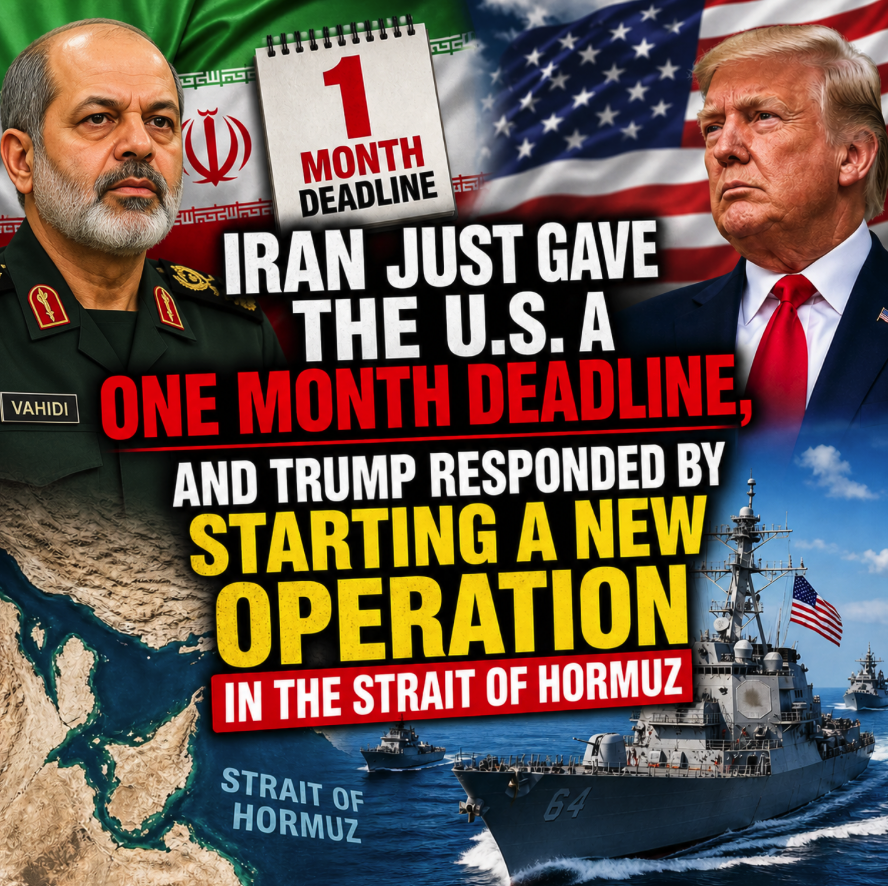
The geopolitical standoff in the Strait of Hormuz has entered a high-stakes phase as the United States initiates "Project Freedom," a naval operation designed to escort neutral commercial vessels through the restricted waterway. This move follows the rejection of a 14-point proposal submitted by Tehran, which demanded the lifting of all sanctions, the end of the U.S. naval blockade, and a permanent ceasefire without concessions regarding Iran's nuclear program. President Trump has explicitly labeled the proposal "unacceptable," setting the stage for a direct confrontation between U.S. naval assets and Iranian forces.
The Operational Mechanism of Project Freedom
Project Freedom, scheduled to commence on Monday, represents a shift from passive containment to active escort missions. The stated objective is to guide neutral commercial ships out of the Strait of Hormuz, which has been effectively shuttered by Iranian naval activity. By deploying U.S. assets to facilitate the transit of these vessels, the administration is creating a kinetic friction point. The primary risk is that Iranian forces, which have recently demonstrated their willingness to target cargo vessels, may view these escort operations as a violation of their self-imposed blockade.
This operational shift forces a binary outcome: either the Iranian military stands down to allow the passage of these ships, or they engage U.S. naval assets. The latter would necessitate a robust defensive response, significantly increasing the probability of a broader regional conflict. For market participants, the risk is not merely the disruption of energy flows through this critical maritime chokepoint, but the potential for rapid escalation into a direct, multi-front military engagement.
Strategic Misalignment and External Influence
Tehran’s confidence in this standoff appears rooted in the belief that the U.S. administration is constrained by the upcoming midterm elections and a desire to avoid a protracted war. Furthermore, the geopolitical landscape is complicated by the involvement of external powers. Reports indicate that China has agreed to supply Iran with advanced anti-ship missiles, a development that fundamentally alters the threat profile for U.S. naval vessels operating in the region.
Additionally, testimony from Gen. Dan Caine, head of the Joint Chiefs of Staff, before the Senate Armed Services Committee, confirmed that Russia is actively undermining U.S. efforts in the region. When questioned by Sen. Roger Wicker regarding Russian involvement, Gen. Caine acknowledged that there are "actions and activities" occurring, confirming that the theater is no longer a bilateral dispute between Washington and Tehran. The presence of Russian and Chinese support suggests that any U.S. military action in the Strait could trigger second-order diplomatic and strategic consequences involving global superpowers.
Legislative Hardening of the Status Quo
Beyond the immediate naval maneuvers, the Iranian government is moving to codify its control over the Strait through domestic legislation. According to Deputy Parliament Speaker Ali Nikzad, the proposed law would permanently ban U.S. and Israeli vessels from the waterway. This legislative push signals that Tehran is not seeking a temporary tactical advantage but is instead attempting to institutionalize a new maritime reality.
This hardening of positions makes a diplomatic off-ramp increasingly difficult to identify. With the IRGC intelligence wing publicly framing the choice as one between an "impossible operation" or a "bad deal," the rhetoric leaves little room for the nuance required for a negotiated settlement. The market must now price in the reality that the Strait of Hormuz will remain a contested zone for the foreseeable future, with the risk of accidental or intentional kinetic events rising daily.
Valuation and Sector Read-Through
While the immediate focus is on the Strait, the broader implications for energy markets and global logistics are significant. Any sustained closure or active conflict in the region would likely result in an immediate spike in energy premiums, impacting sectors reliant on stable supply chains. Investors should monitor the stock market analysis for shifts in energy-sensitive equities. For those tracking broader market exposure, AMZN stock page provides insight into how consumer-facing giants navigate global logistics disruptions, while WELL stock page and WING stock page offer different lenses on real estate and consumer cyclical sensitivity to broader economic instability.
Ultimately, the success or failure of Project Freedom will be measured by the ability of U.S. forces to navigate the Strait without triggering a direct exchange of fire. If the operation proceeds without incident, it may provide a temporary stabilization of commercial traffic. However, if the Iranian military follows through on its threats to target U.S. forces, the resulting escalation would likely force a repricing of geopolitical risk across all major asset classes. The current situation remains highly fluid, and the one-month deadline imposed by Tehran serves as a concrete timeline for when the current "impossible" choice must be resolved one way or another.