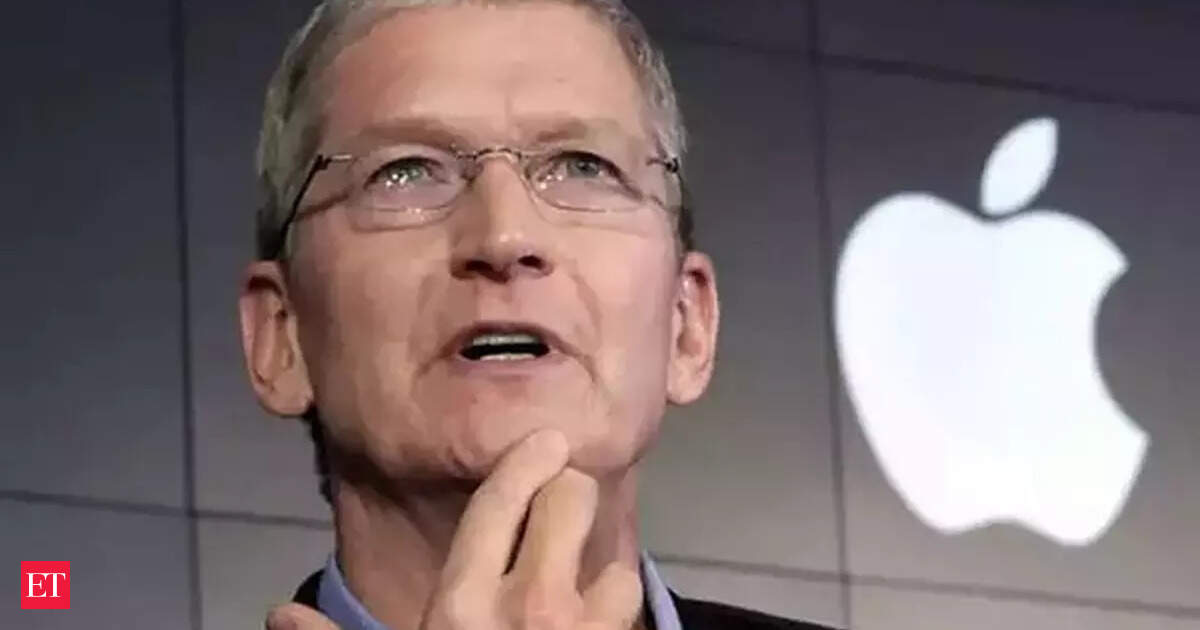
Tim Cook’s 15-year tenure as CEO of Apple has transitioned the company from a product-innovation powerhouse into a diversified digital services and hardware ecosystem. While the early years of his leadership focused on refining the supply chain and scaling the iPhone, the recent trajectory emphasizes recurring revenue streams and a $4 trillion valuation. This shift marks a departure from the singular focus on breakthrough hardware launches that defined the company under Steve Jobs.
The Evolution of the Services Ecosystem
Apple has successfully pivoted toward a model where digital services act as a primary growth engine. By integrating the Apple Watch and AirPods into the broader ecosystem, the company has increased the lifetime value of its user base. These additions create a sticky environment that encourages consistent engagement across the hardware portfolio. The expansion of services provides a buffer against the cyclical nature of smartphone upgrades, allowing for more predictable revenue flows even when hardware sales face headwinds.
Navigating Geopolitical and Operational Headwinds
Operational challenges in China remain a central theme for the company. The reliance on manufacturing hubs within the region has forced a strategic re-evaluation of supply chain resilience. Recent stumbles in product development, including the cancellation of long-term projects, highlight the difficulty of maintaining a high-velocity innovation pipeline while managing a massive global footprint. The company continues to balance the need for localized production with the necessity of diversifying its assembly operations to mitigate regional risks.
AlphaScala data currently assigns AAPL an Alpha Score of 60/100, reflecting a moderate outlook as the stock trades at $273.05, up 1.04% today. This score captures the tension between the company’s massive cash generation and the ongoing search for the next major hardware catalyst. Investors are currently weighing the stability of the services segment against the maturity of the core mobile device market.
The Path to Future Valuation
Future growth depends on the company's ability to integrate emerging technologies into its existing hardware stack without diluting its brand premium. The transition from a hardware-first company to an integrated services provider is largely complete, but the market now demands evidence of sustained margin expansion. The next concrete marker for the company will be its upcoming quarterly guidance, which will provide insight into whether the services segment can continue to offset potential slowing in hardware unit growth. Monitoring the company's Apple (AAPL) profile will be essential as it navigates these structural shifts in the broader stock market analysis landscape.