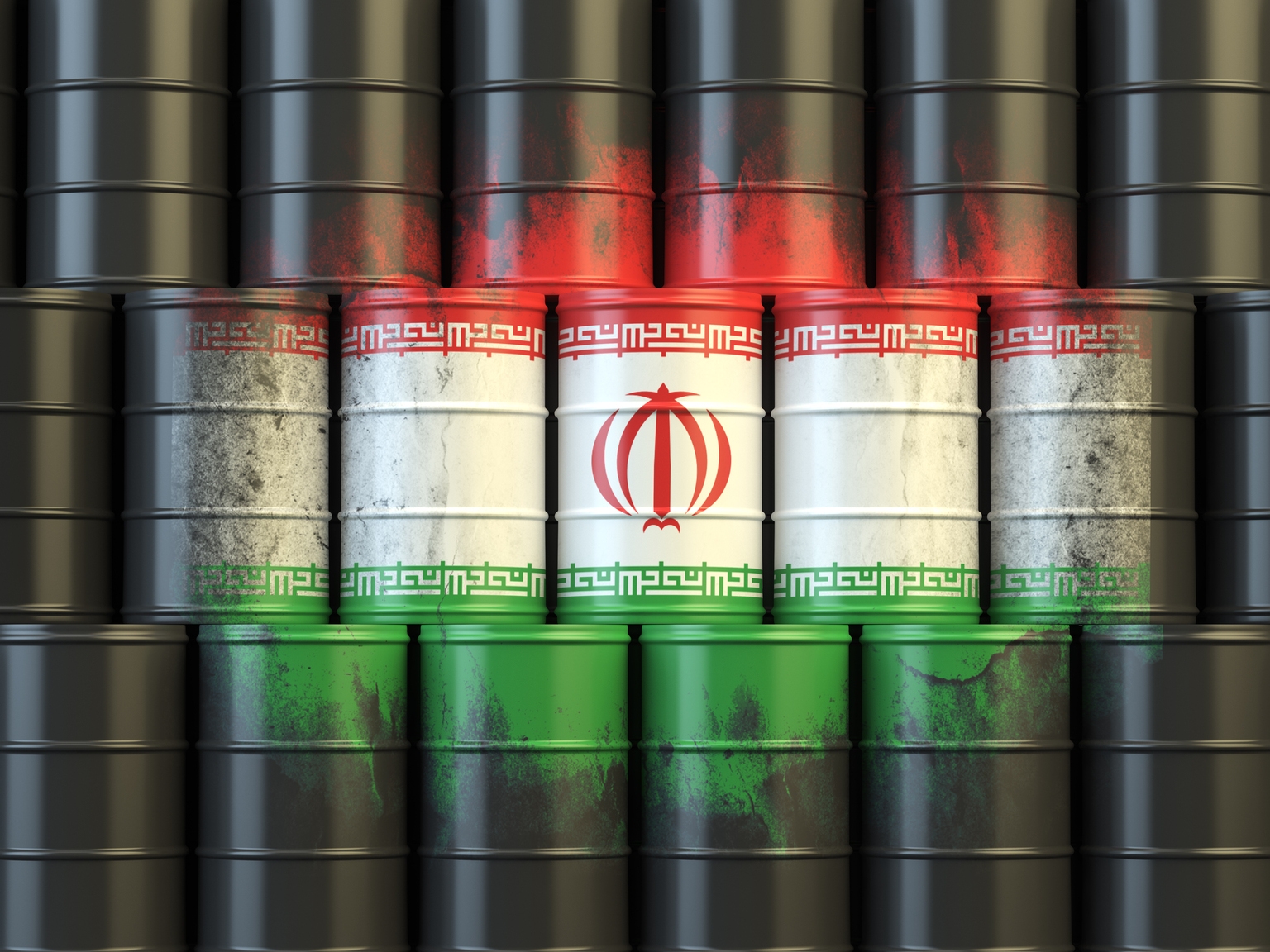
Energy markets shifted lower as Iran reversed its decision to restrict transit through the Strait of Hormuz. The reopening of this critical maritime chokepoint removes an immediate supply-side bottleneck that had previously injected a significant risk premium into global crude oil pricing. While the physical flow of tankers has resumed, the underlying fragility of regional logistics remains a primary driver for energy volatility.
Maritime Transit and Supply Chain Integrity
The Strait of Hormuz serves as the world’s most vital oil transit artery. Any disruption to this passage forces a rapid recalculation of global inventory replenishment timelines and insurance costs for maritime freight. When transit is restricted, the immediate impact is a tightening of available supply in downstream markets, as tankers are forced to delay arrivals or seek alternative, longer routes. The reversal of the restriction suggests a temporary stabilization of these logistical channels, though the reliance on this single point of failure continues to dictate the floor for oil price volatility.
Inventory Dynamics and Regional Refining
Regional refining capacity remains sensitive to the cadence of crude deliveries through the Strait. When transit uncertainty rises, refineries often draw down existing stockpiles to maintain operational continuity, leading to a temporary decoupling of retail fuel prices from global crude benchmarks. As the supply chain normalizes, the focus shifts back to the replenishment of these inventories and the capacity of regional hubs to process incoming crude without further interruption. The current stability in transit allows for a more predictable flow of feedstock, which is essential for maintaining the output levels required to meet industrial demand.
- Immediate restoration of tanker schedules.
- Reduction in war-risk insurance premiums for vessels traversing the Persian Gulf.
- Stabilization of regional crude inventory levels at major import terminals.
AlphaScala Data and Market Context
Market participants are currently balancing these geopolitical developments against broader industrial energy requirements. In the context of broader sector performance, BE stock page reflects a mixed outlook at 46/100, while T stock page maintains a moderate Alpha Score of 60/100. These scores highlight the varying degrees of sensitivity that different sectors hold toward energy price fluctuations. For further analysis on how these trends impact broader commodities analysis, investors should monitor the upcoming monthly reports from major energy agencies regarding regional storage utilization rates. The next concrete marker for this market will be the release of updated tanker tracking data, which will confirm whether the volume of crude passing through the Strait has returned to pre-disruption levels. Any deviation from expected flow volumes will serve as the primary indicator for renewed volatility in the energy complex.