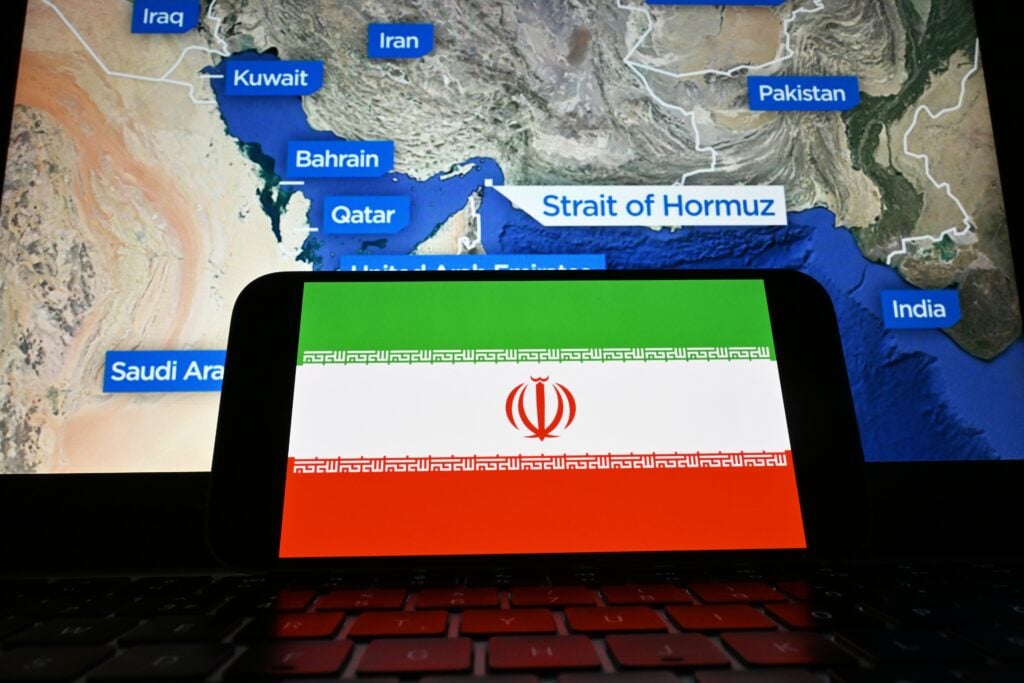
The geopolitical narrative surrounding the Strait of Hormuz shifted this week as Iranian officials signaled a refusal to engage in negotiations under current conditions. This stance has intensified concerns regarding the flow of maritime traffic through one of the world's most critical energy chokepoints. As shipping restrictions persist, the focus has turned toward prediction markets, which are currently pricing in the probability and timing of a potential resolution to the ongoing transit disruptions.
Impact on Global Energy Logistics
The Strait of Hormuz serves as a primary artery for global oil and liquefied natural gas exports. Any sustained restriction on vessel movement forces a reassessment of supply chain reliability for energy-intensive industries. While the immediate effect is felt in the spot pricing of energy commodities, the secondary impact ripples through industrial sectors that rely on predictable fuel costs and consistent delivery schedules. Companies like Bloom Energy, which operates within the broader industrial and energy infrastructure space, remain sensitive to these macro-level supply chain shocks. You can track the current standing of this company on our BE stock page.
Market Sentiment and Predictive Modeling
Prediction markets are currently attempting to quantify the likelihood of a diplomatic breakthrough or a de-escalation of maritime interference. These platforms are aggregating sentiment on whether Iran will move to unrestrict shipping lanes in the near term. The current betting behavior suggests a high degree of skepticism regarding an immediate return to status quo operations. This sentiment is often reflected in the broader stock market analysis as participants adjust their risk premiums for firms with heavy exposure to Middle Eastern logistics or energy imports.
AlphaScala data currently reflects a cautious outlook for several firms operating in these volatile sectors:
- ON Semiconductor Corporation (ON): Alpha Score 45/100, label Mixed. See the ON stock page for more details.
- Bloom Energy Corp (BE): Alpha Score 46/100, label Mixed.
The Path to Resolution
The next concrete marker for this situation will be the outcome of any back-channel communications or regional mediation efforts that may emerge following the recent refusal to negotiate. Investors are looking for signs of a shift in the rhetoric from Tehran or a change in the physical posture of naval forces in the region. Until such a signal appears, the prediction markets will likely continue to reflect a high-risk environment. The primary indicator to monitor is the volume of tanker traffic reported by independent maritime tracking services, as this will provide the first objective evidence of whether the restrictive policy is being relaxed or further tightened. Any deviation from the current trend in vessel throughput will serve as the catalyst for the next repricing event in energy and industrial equities.