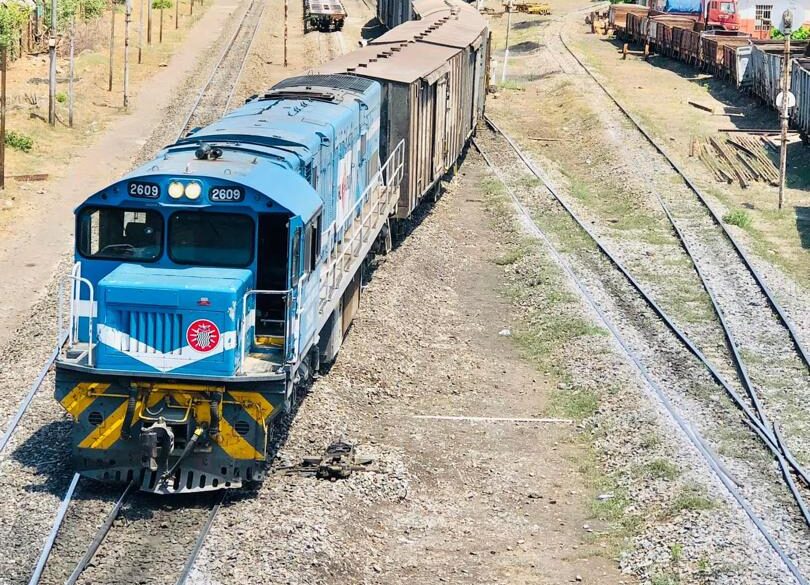
The recent incident in Livingstone involving a pedestrian collision with a freight train underscores the persistent operational risks associated with rail infrastructure in regions where public access to tracks remains largely unregulated. A 40-year-old man suffered bilateral amputations at the knee level after attempting to crawl beneath a moving train while intoxicated. This event highlights the intersection of public safety, infrastructure management, and the broader socioeconomic challenges facing regional logistics networks.
Operational Risks in Rail Logistics
The incident serves as a stark reminder of the physical hazards inherent in rail corridors that lack modern perimeter security or pedestrian overpasses. In many emerging markets, rail lines often bisect densely populated urban areas, creating constant friction between commercial transit and local foot traffic. When safety protocols are compromised by human error or lack of infrastructure, the resulting accidents often lead to significant operational delays and potential legal liabilities for rail operators.
For investors monitoring the stock market analysis of regional transport and infrastructure firms, these incidents are more than isolated tragedies. They represent systemic risks that can influence regulatory oversight and insurance premiums. Companies operating in these environments must balance the high cost of physical security upgrades against the recurring risk of service disruptions caused by safety-related investigations.
Sector Read-Through and Infrastructure Oversight
Beyond the immediate human cost, the event points toward a broader need for capital investment in safety-oriented infrastructure. Modernizing rail systems to include automated crossing gates, pedestrian barriers, and improved lighting is a common mandate for governments seeking to improve logistics efficiency. However, the pace of these upgrades is frequently hindered by budgetary constraints and competing priorities in infrastructure development.
Investors should look for shifts in government policy regarding rail safety standards. Increased regulatory pressure often follows high-profile accidents, leading to mandatory capital expenditures for operators. While these costs may weigh on short-term margins, they are essential for long-term operational stability and the reduction of liability-related volatility.
AlphaScala Data and Market Context
While this specific event involves local infrastructure, it serves as a proxy for the types of operational risks that can impact broader industrial and healthcare sectors. For instance, companies like Agilent Technologies, Inc. maintain an Alpha Score of 55/100, reflecting a moderate risk profile that is often sensitive to global industrial standards and safety regulations. Monitoring how regional players manage their safety protocols provides a useful lens for assessing the maturity of local markets.
Future developments will hinge on whether local authorities move to implement stricter pedestrian control measures or if rail operators are required to invest in enhanced corridor fencing. The next marker for this narrative will be any subsequent safety audit or policy announcement from the regional transport ministry regarding the Livingstone rail corridor. Such updates will provide clarity on whether this incident will trigger a broader shift in regional safety compliance requirements.