Earnings● Neutral
Retail Trading Surge Drives FY26 Brokerage Q4 Rebound
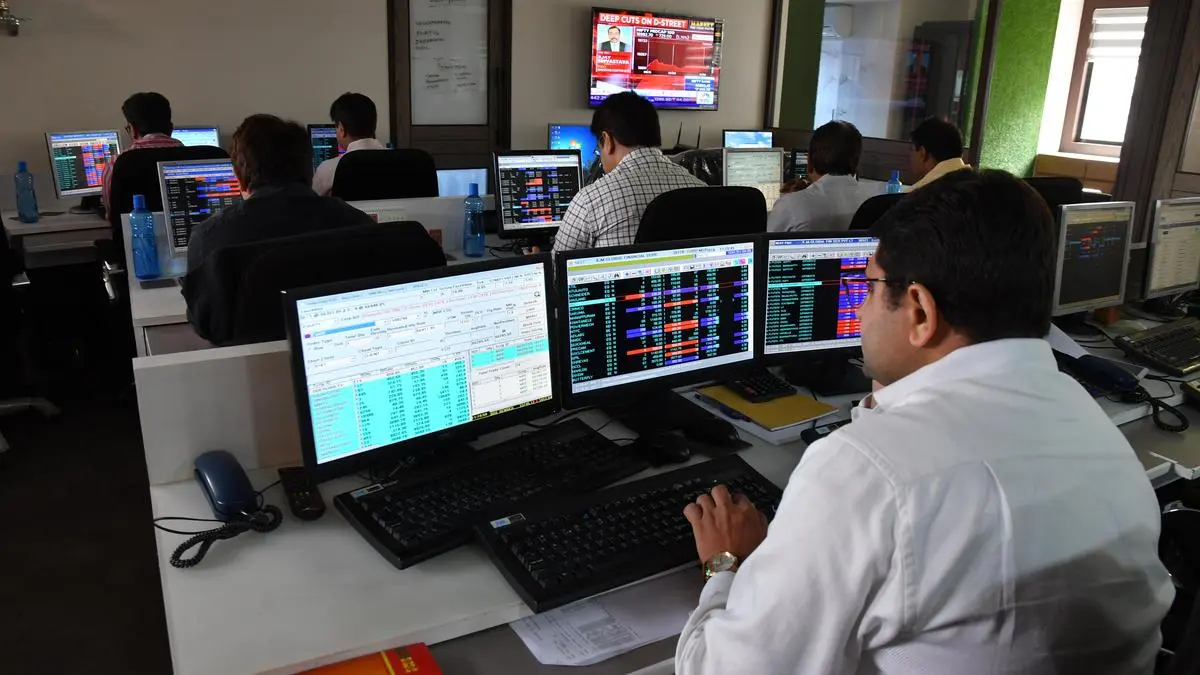
Retail trading spikes and increased market volatility fueled a late-quarter recovery for Indian brokerages. Monitor monthly volume data for trend durability.
Continue with
India’s leading brokerage houses concluded FY26 with a distinct Q4 performance shift, as a late-quarter rebound in retail trading activity and heightened market volatility offset earlier annual earnings inconsistencies. The surge in transaction volumes during the March quarter provided a necessary tailwind for firms that struggled with stagnant engagement levels throughout the middle of the fiscal year.
Retail Churn and Volatility Dynamics
The primary driver of the Q4 recovery was a measurable increase in retail churn. When market volatility rises, retail participants often increase their frequency of trade to capture short-term price swings. This behavior directly benefits brokerages that rely on transaction-based revenue models. The shift in the March quarter suggests that retail investors remain highly sensitive to price action, prioritizing active participation over long-term holding strategies during periods of market uncertainty.
For traders, the distinction between this quarter and the rest of the year lies in the velocity of capital. While annual earnings were mixed, the Q4 data indicates that brokerage revenue is increasingly tied to these bursts of volatility. Firms that successfully captured this retail flow saw their margins expand, while those with higher fixed costs or lower active user bases struggled to convert the increased volume into meaningful bottom-line growth.