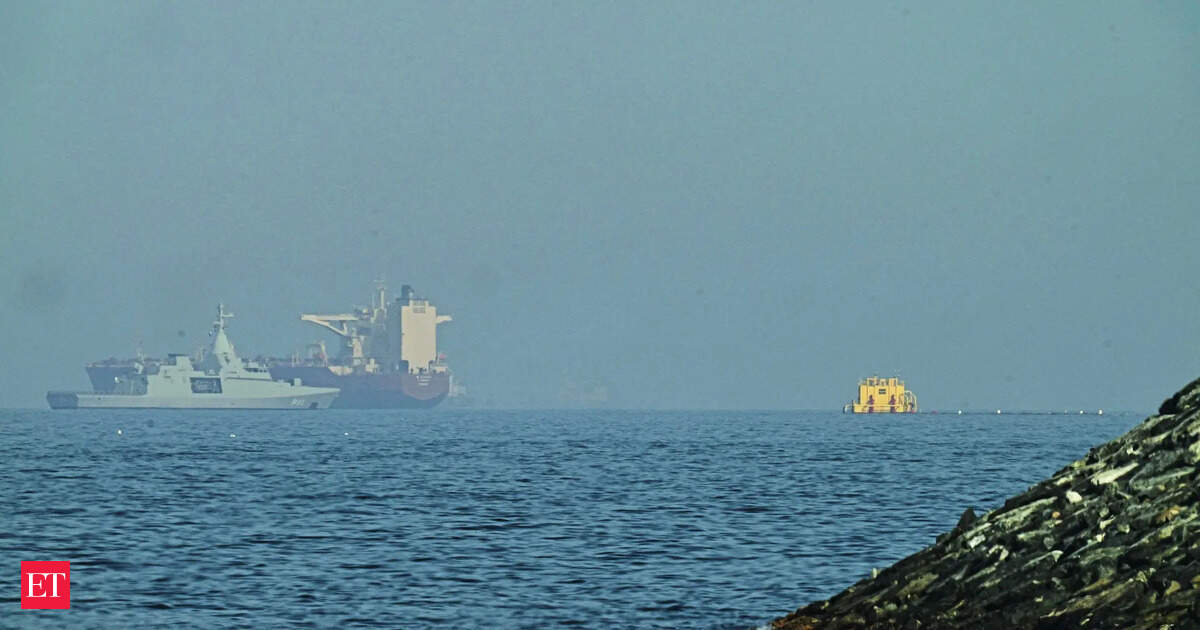
A maritime attack near the Strait of Hormuz challenges a new 30-day peace proposal from Iran to the US. President Trump is currently reviewing the terms.
A bulk carrier operating near the Strait of Hormuz reported an attack by small craft today, introducing an immediate layer of geopolitical friction to ongoing diplomatic efforts. This incident occurs as Iran has formally presented a new proposal to the United States aimed at resolving bilateral tensions and ending the current conflict within a 30-day window.
The Strait of Hormuz remains a critical chokepoint for global energy flows. Iran maintains operational control over the region, and any kinetic activity involving commercial vessels serves as a direct test of the security environment surrounding this corridor. For market participants, the primary concern is the potential for a sudden spike in shipping insurance premiums or a disruption to transit volumes if the security situation deteriorates further.
While the diplomatic proposal suggests a path toward de-escalation, the timing of the maritime attack creates a contradictory signal. President Trump is currently reviewing the Iranian proposal, which seeks a comprehensive resolution to bilateral issues. The juxtaposition of a peace overture with an active maritime threat forces a recalibration of how the market prices regional stability. If the attack is viewed as a rogue action, the 30-day resolution timeline may remain viable. If it is interpreted as a state-sanctioned signal, the probability of a diplomatic breakthrough diminishes rapidly.
The 30-day timeline proposed by Iran is an aggressive target for complex geopolitical negotiations. Markets typically struggle to price such binary outcomes, often defaulting to a risk-off posture until the nature of the maritime incident is clarified. Traders should look for confirmation on whether the vessel involved suffered significant damage or if the attack was merely a demonstration of reach.
This development requires a shift in how one assesses energy-linked equities and regional risk premiums. The immediate decision point for any position in this sector is the official response from the United States regarding the proposal. A rejection or a demand for a cessation of maritime hostilities would likely signal that the 30-day window is effectively closed, shifting the focus back to potential supply chain disruptions and increased military posturing in the Persian Gulf. Investors tracking these developments should monitor for secondary reports on the vessel's status and any official statements clarifying the link between the attack and the diplomatic track. Understanding these stock market analysis frameworks is essential when geopolitical events introduce sudden volatility to energy-sensitive assets.
AI-drafted from named sources and checked against AlphaScala publishing rules before release. Direct quotes must match source text, low-information tables are removed, and thinner or higher-risk stories can be held for manual review.