Stocks● Neutral
GalaxEye Deploys First OptoSAR Satellite for All-Weather Imaging
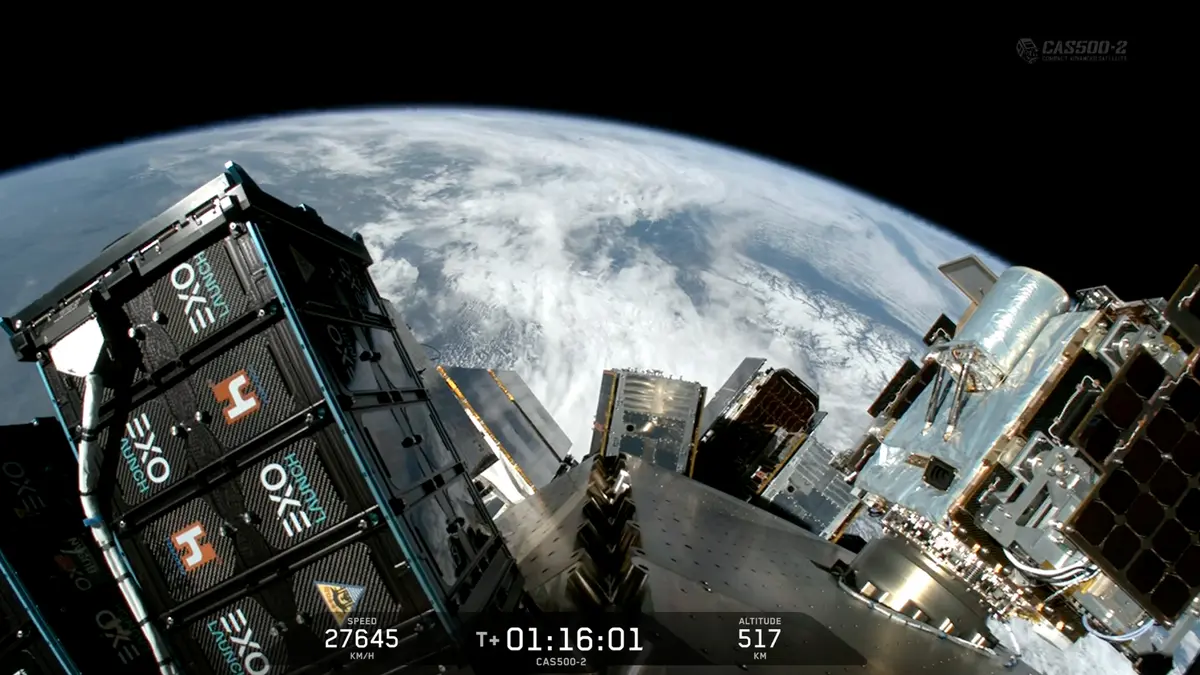
GalaxEye has launched the world's first OptoSAR satellite, enabling all-weather imaging. The mission marks a shift toward commercial high-res intelligence.
Continue with
Bengaluru-based GalaxEye has successfully placed its OptoSAR satellite into orbit, marking the first time this hybrid imaging technology has reached space. The launch establishes a new capability for high-resolution geospatial intelligence by combining optical imaging with synthetic aperture radar. This dual-sensor approach allows the satellite to capture clear imagery regardless of cloud cover or lighting conditions, overcoming the limitations that typically hinder standard optical satellites.
Advancing Geospatial Intelligence Capabilities
The integration of optical and radar sensors into a single platform addresses a critical gap in remote sensing. Traditional optical satellites rely on clear skies and daylight, while radar systems often lack the visual clarity needed for specific identification tasks. By fusing these data streams, GalaxEye provides a more consistent stream of intelligence. This technology is particularly relevant for sectors requiring continuous monitoring, such as agriculture, infrastructure development, and maritime security.