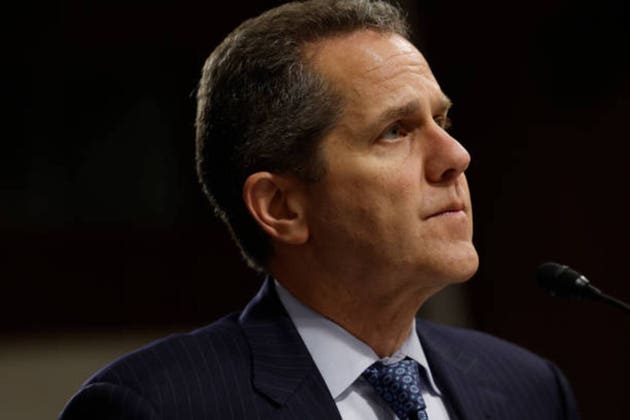
Fed Vice Chair Michael Barr warns that private credit stress could trigger systemic contagion. Expect increased scrutiny on bank-to-private-credit linkages.
Federal Reserve Vice Chair for Supervision Michael Barr has signaled a shift in regulatory posture toward the private credit sector. The warning centers on the potential for psychological contagion, where localized stress in private lending could trigger broader credit pullbacks and force a re-evaluation of current bank deregulation policies.
The naive interpretation of this warning is a simple call for tighter oversight. The better market read focuses on the structural link between private credit and the traditional banking system. When private credit vehicles face liquidity pressure, they often rely on bank-provided credit lines or warehouse facilities. If these facilities are curtailed due to regulatory scrutiny or internal risk management, the resulting liquidity crunch can spill over into the broader stock market analysis through forced asset sales or a sudden contraction in corporate financing.
Barr’s focus on psychological contagion suggests the Fed is concerned about the speed at which private credit distress can move from opaque, non-bank balance sheets into the regulated banking sector. The risk is not necessarily a systemic collapse of private credit itself, but the secondary effect of banks pulling back from their own lending activities to preserve capital ratios in anticipation of stricter rules.
For investors, the primary concern is the potential for a regulatory pivot that forces banks to hold more capital against their exposures to private credit funds. If the Fed moves to tighten capital requirements for these specific linkages, the cost of capital for private credit providers will rise. This creates a direct headwind for firms that have been filling the void left by traditional lenders over the last decade.
This development marks a transition from a period of relative regulatory hands-off to one of active monitoring. The next concrete marker for this narrative will be the release of any formal policy proposals or supervisory guidance regarding bank-to-private-credit exposures. Until then, the market will likely price in a higher risk premium for financial institutions with significant fee-based or credit-line exposure to the private debt space. Watch for shifts in bank commentary regarding their appetite for warehouse lending, as this will be the first indicator of how seriously the sector is taking the Fed’s new stance.
AI-drafted from named sources and checked against AlphaScala publishing rules before release. Direct quotes must match source text, low-information tables are removed, and thinner or higher-risk stories can be held for manual review.