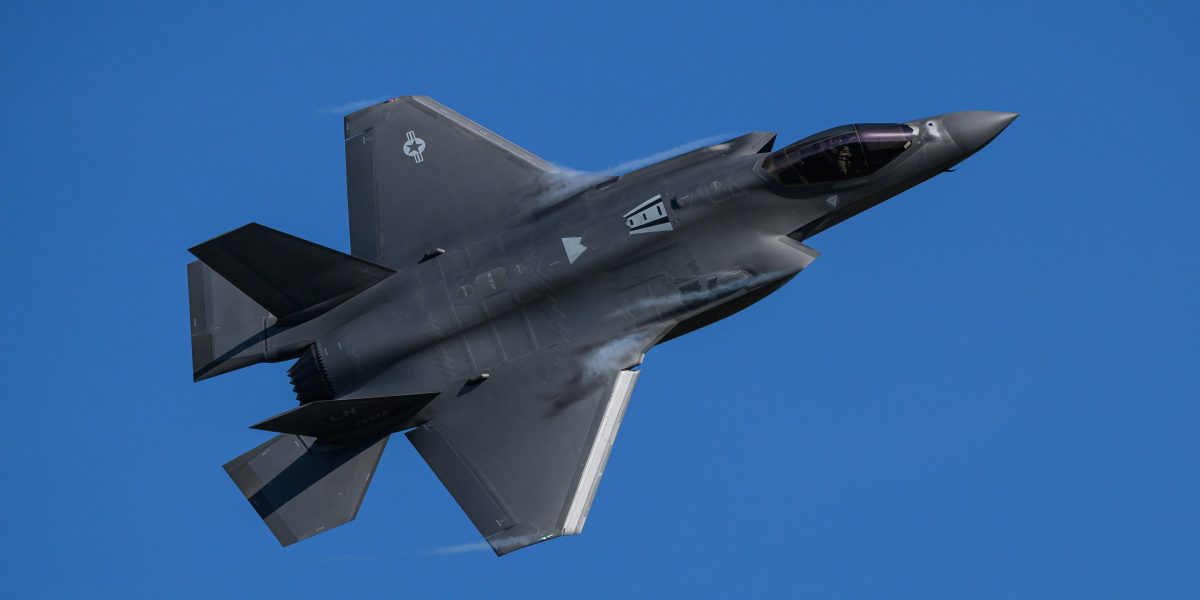
The U.S. Air Force and Navy have proposed a significant acceleration in F-35 fighter jet procurement, marking a departure from current acquisition levels. The proposal outlines a plan to increase annual purchases to 85 aircraft, a sharp rise from the 47 units approved by Congress for the current fiscal year. This shift suggests a renewed prioritization of the F-35 program within the defense budget, positioning the platform as a central pillar of long-term tactical air superiority.
Impact on Lockheed Martin Production Cycles
For Lockheed Martin, the proposed volume increase provides a clearer multi-year production runway. The transition from 47 to 85 jets annually requires a substantial scaling of manufacturing capacity and supply chain coordination. If realized, this procurement trajectory stabilizes the program's unit costs and provides the manufacturer with greater predictability in its long-term revenue streams. The move reflects a strategic decision by the military branches to prioritize the modernization of their existing fleets over alternative tactical investments.
Sector Read-Through for Defense Contractors
The decision to prioritize the F-35 program carries implications for the broader aerospace and defense sector. By committing to higher volumes, the Department of Defense is signaling that the F-35 remains the primary vehicle for its air combat requirements. This focus may constrain the capital available for other experimental or secondary tactical programs, as the budget is increasingly funneled into the sustainment and expansion of this specific platform. Investors looking at stock market analysis should monitor how this concentration of spending affects smaller subcontractors that rely on diversified defense contracts.
AlphaScala Data Context
Our current assessment of industrial and technology-adjacent equities reflects the volatility inherent in large-scale government contracting. For instance, BE currently holds an Alpha Score of 46/100, while U sits at 43/100 and F at 45/100, all categorized as Mixed. These scores highlight the difficulty of maintaining consistent performance metrics in sectors heavily influenced by policy shifts and capital-intensive project cycles.
The Next Procurement Marker
The next concrete marker for this narrative is the formal congressional budget reconciliation process. While the Air Force and Navy have proposed these figures, the final authorization rests with legislative approval. Market participants should look for the specific line-item allocations in the upcoming defense appropriations bill. Any deviation from the requested 85-jet target will serve as a primary indicator of whether the legislative branch shares the military's urgency regarding fleet expansion. The timeline for these deliveries will also be clarified in subsequent Department of Defense contract award filings, which will confirm the specific timing of the production ramp-up.