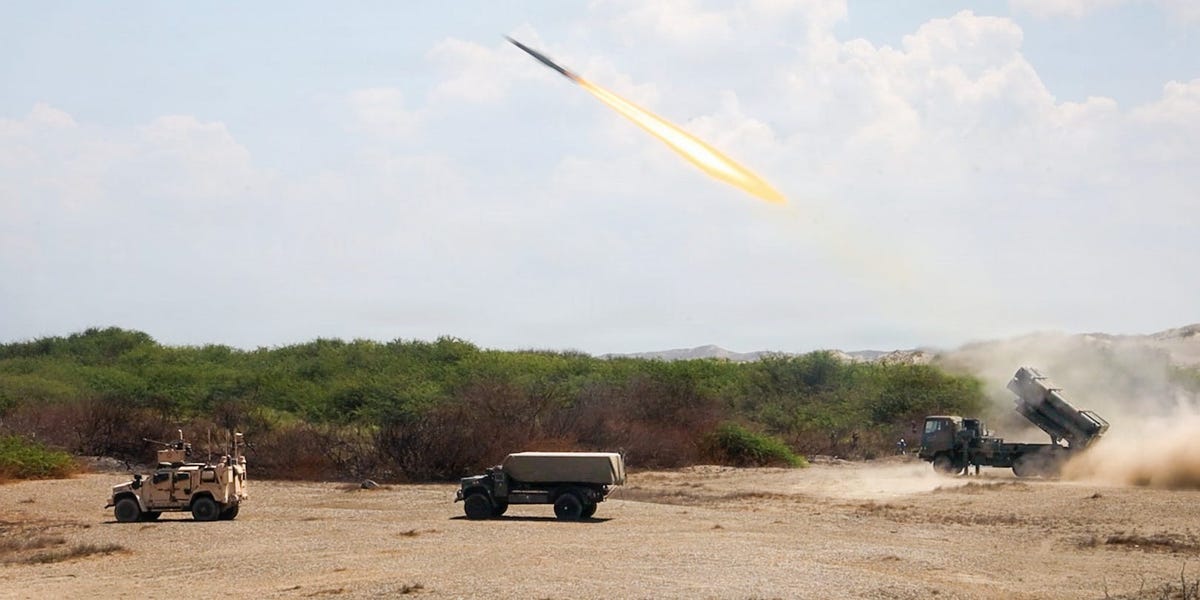
The US Army fired a Tomahawk cruise missile from its Typhon ground-based launcher in the Philippines for the first time outside US territory. The launch took place during large-scale military exercises earlier this month that included missiles, rockets, artillery, and drones. A top US commander described the drills as layered firepower designed to defend a Pacific ally from invasion.
The simple read is that the US is hardening its Pacific posture. The better market read is that this exercise shifts the Typhon system from a stateside test asset to a forward-deployed deterrent. That change alters the demand timeline for the contractors that build the system.
Lockheed Martin and Raytheon as Direct Beneficiaries
Lockheed Martin is the prime contractor for the Typhon launcher, a mid-range capability that fills a gap between shorter-range Army systems and longer-range Air Force assets. Raytheon produces the Tomahawk missile itself, a weapon now being requalified for land-based launch after decades of submarine and ship deployments. The Philippines launch validates that the missile functions reliably from a mobile ground platform in a tropical, humid environment.
The event changes the narrative for these stocks because it introduces a concrete deployment milestone. Defense investors typically wait for budget line items or contract awards. This exercise is a precursor to both. The Pentagon will likely request additional funding for Typhon batteries in the next budget cycle, and allied nations in the Indo-Pacific – Japan, Australia, the Philippines – may request Foreign Military Sales approval for similar systems.
- Weapons involved: Tomahawk cruise missile (Raytheon), Typhon launcher (Lockheed), artillery, drones, and rocket systems from multiple contractors.
- First overseas launch: signals that sustainment and training infrastructure is now operational abroad.
- Budget implication: the FY2026 defense budget proposal, expected in February, could include a supplemental request for Typhon procurement and additional Tomahawk rounds.
The Market Read: Funding, Not Just Technology
A single live-fire exercise rarely moves defense stocks on the day. The catalyst here is the shift from demonstration to deployment. The Typhon system has been tested at White Sands Missile Range since 2022. An overseas launch introduces real logistics: host-nation approval, basing agreements, and maintenance chains. Those are the steps that translate into recurring revenue for LMT and RTX.
Investors should watch for two confirmations. First, the Pentagon's Fiscal Year 2026 budget request must include additional Typhon batteries beyond the two already funded. Second, any announcement of a foreign sale to an Indo-Pacific ally would confirm that the deployment is not a one-off drill but a sustained program. The risk is that the exercise remains an isolated event if budget constraints or diplomatic friction slow procurement.
Next Decision Point: Budget and Allied Sales
The next concrete marker is the release of the FY2026 budget proposal, typically in February. If the request includes explicit funding for more Typhon launchers and Tomahawk missiles for Army use, the bullish case for LMT and RTX strengthens. If allied interest emerges – particularly from Japan or Australia – the revenue potential expands beyond US procurement.
The Pacific theater is becoming a key driver of defense spending. This exercise put hardware in the field. The question now is how quickly the Pentagon and its allies write the checks to keep it there.
For broader market context, see AlphaScala's stock market analysis.