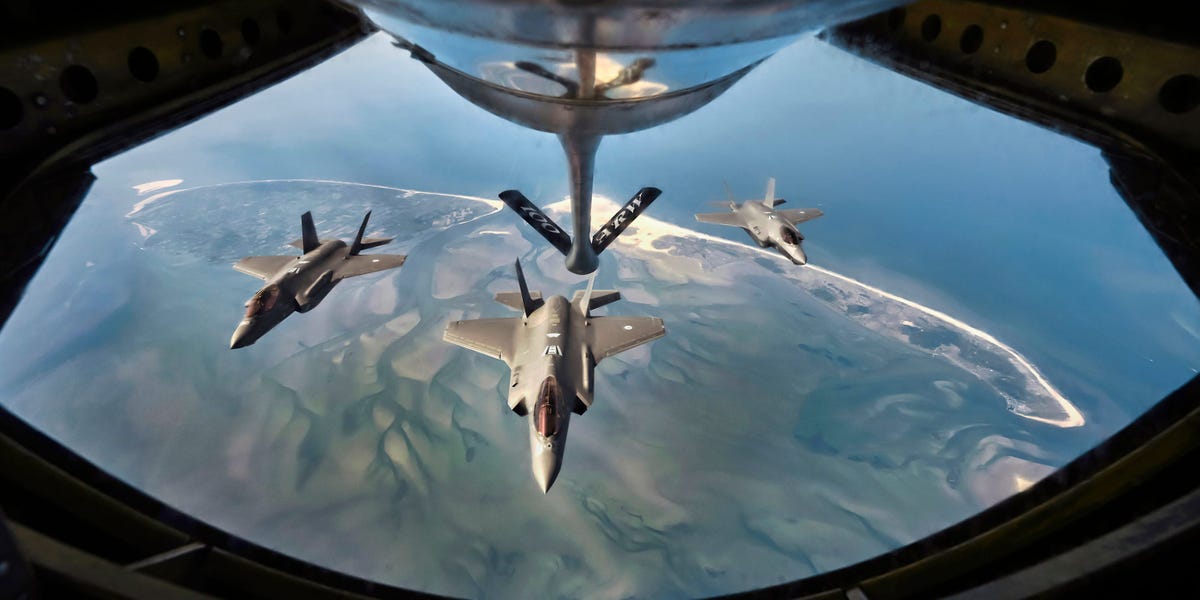
Lockheed Martin’s F-35 program has moved to the center of the fiscal debate as total United States defense spending trends toward the $1 trillion mark for 2026. The program represents a significant portion of the defense budget, functioning as a primary driver for both long-term capital allocation and industrial output within the aerospace sector. The scale of the project creates a unique tension between the military’s requirement for advanced stealth capabilities and the budgetary constraints facing the Department of Defense.
Structural Drivers of Program Costs
The F-35 program is defined by its immense complexity and the sheer volume of units intended for procurement. Unlike legacy aircraft programs, the F-35 integrates a global supply chain with software-heavy architecture that requires continuous updates. These updates are not merely maintenance tasks but are essential to keeping the fleet relevant against evolving global threats. The cost structure is further complicated by the need to balance production speed with the technical demands of stealth engineering. As the program matures, the focus has shifted from initial development to the sustainment and modernization of existing airframes, which now account for a larger share of the total lifecycle expense.
Industrial Capacity and Sector Read-Through
Lockheed Martin’s ability to manage these costs directly influences the broader industrial base. The program relies on a vast network of suppliers, meaning that any disruption in production or cost overruns at the prime contractor level ripples through smaller aerospace components manufacturers. This interdependency makes the F-35 a bellwether for the health of the defense industrial base. When the program faces scrutiny over pricing, it often signals a broader push for efficiency across the sector. Investors monitoring LMT should note that the company currently holds an Alpha Score of 35/100, reflecting a mixed outlook as it navigates these complex procurement cycles.
Path to Future Budgetary Alignment
Looking ahead, the next concrete marker for the program will be the release of the upcoming fiscal year defense budget request. This document will provide the first clear indication of how the Department of Defense intends to reconcile the F-35’s sustainment costs with other emerging priorities, such as autonomous systems and space-based assets. The degree to which the government prioritizes volume over unit-cost reduction will determine the long-term revenue trajectory for the program.
For those tracking the intersection of industrial policy and equity performance, the stock market analysis section provides additional context on how large-cap defense firms manage these long-cycle projects. The transition from development to full-scale sustainment remains the most critical phase for the program’s financial profile. Future filings will reveal whether the current cost-management strategies are sufficient to maintain the program’s scale within a tightening fiscal environment.