The United States Space Force has initiated the Golden Dome program, awarding contracts to 12 companies to develop prototypes for space-based interceptors. This move marks a significant pivot in defense procurement, as the military seeks to establish defensive capabilities in orbit by 2028. The total value of these awards reaches $3.2 billion, reflecting a concentrated effort to address emerging threats in the space domain through rapid prototyping and private sector collaboration.
Industrial Base and Defense Prime Positioning
The inclusion of both established defense primes and newer aerospace entities highlights a hybrid approach to military contracting. Lockheed Martin Corporation, which currently holds an Alpha Score of 29/100, is among the recipients tasked with maturing these interceptor technologies. The program requires participants to demonstrate operational feasibility within a four-year window, a timeline that necessitates high-velocity development cycles. For LMT stock page, the contract serves as a validation of its role in long-term orbital security initiatives, though the firm must now balance these developmental requirements against its existing portfolio of legacy defense programs.
Strategic Implications for Orbital Interception
The Golden Dome program represents a transition from theoretical space defense to active prototype development. By engaging a diverse group of 12 contractors, the Space Force is effectively crowdsourcing technical solutions for complex interception challenges. This strategy is designed to mitigate the risks associated with single-source dependency while fostering competition among firms with varying levels of experience in space-based hardware. The primary objective is to create a scalable architecture capable of identifying and neutralizing threats before they reach critical orbital assets.
AlphaScala Sector Context
Within the broader Industrials sector, the defense sub-industry remains sensitive to shifts in government spending priorities. While firms like BE stock page operate within the energy infrastructure space, the capital allocation toward Golden Dome underscores a wider trend of increased investment in high-tech defense solutions. The following companies are among those participating in the initial development phase:
- Lockheed Martin Corporation
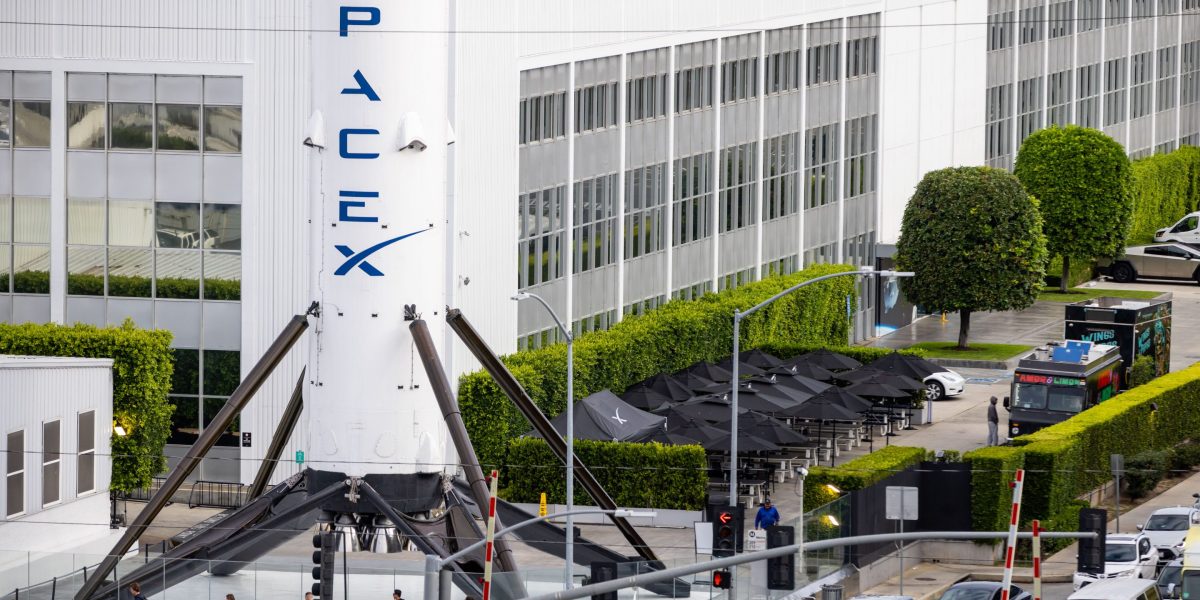
- SpaceX
- Anduril Industries
This distribution of contracts suggests that the Department of Defense is prioritizing technological agility over traditional procurement models. The success of these prototypes will likely dictate the trajectory of future space-based defense budgets. Investors should monitor the progress of these 12 contractors as they move toward the 2028 demonstration deadline, as subsequent funding tranches will be contingent upon the successful delivery of functional interceptor systems. The next concrete marker for this program will be the initial design review milestones, which will provide the first public indication of which technical approaches are gaining traction within the Space Force command structure.