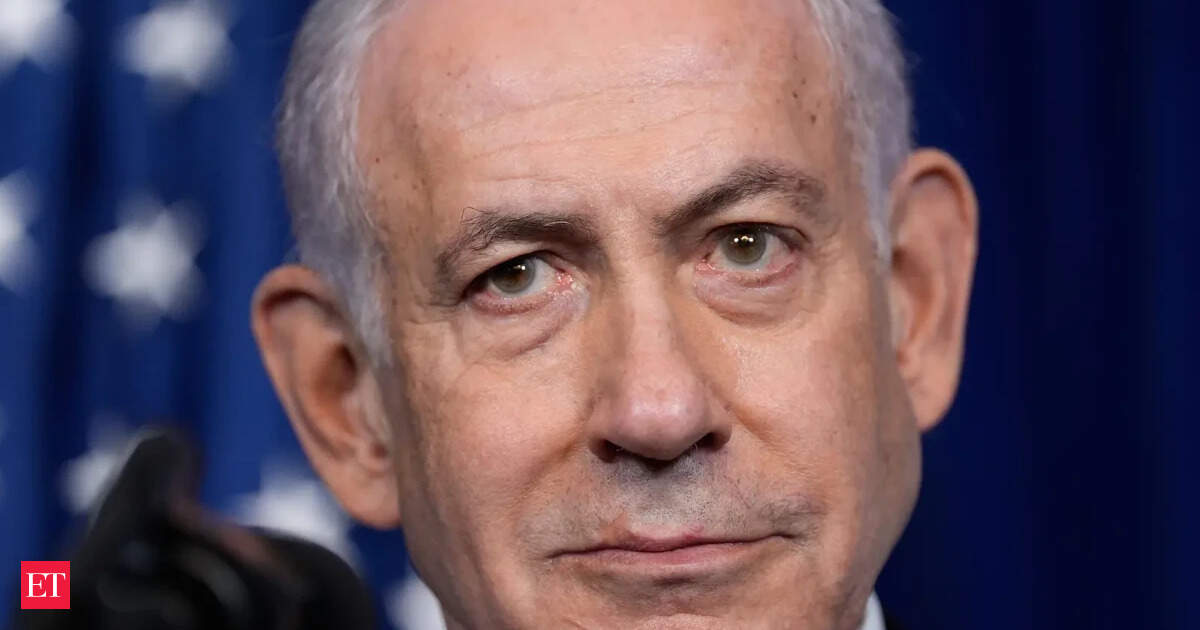
The Event: Netanyahu’s Statement on October 7 Planners
Israeli Prime Minister Benjamin Netanyahu said his country’s military is close to killing all the architects of the October 7 attacks. The statement, reported without a direct quote or specific timeline, signals that Israel’s campaign against Hamas leadership is entering a final, high-stakes phase. For markets, the claim carries immediate geopolitical risk: a potential escalation in the conflict, a shift in ceasefire negotiations, and a recalibration of regional security assumptions.
Geopolitical Exposure and Market Mechanism
The simple read is that eliminating the architects of the attack reduces the threat and paves the way for de-escalation. The better market read is that Netanyahu’s assertion, if accurate, could trigger a last-ditch offensive by remaining Hamas cells, a broader Iranian-backed response, or a collapse of hostage talks. Each scenario introduces uncertainty into oil supply routes, defense spending forecasts, and risk appetite for emerging-market equities in the Middle East.
Oil and Energy Risk
Brent crude and WTI have already priced in a risk premium from the Gaza conflict. A final push against senior Hamas figures could widen the war to Hezbollah in Lebanon or direct Iranian involvement. The Strait of Hormuz chokepoint remains the tail risk. Traders should watch for any statement from Iran’s Supreme Leader or Hezbollah’s Hassan Nasrallah in the 48 hours following Netanyahu’s remark.
Defense and Aerospace
Israeli defense stocks such as Elbit Systems and Israel Aerospace Industries may see a short-term bid if the market interprets the statement as a sign of prolonged operations. Conversely, a rapid conclusion could unwind the war premium. US defense primes with exposure to Iron Dome and precision munitions contracts – RTX, Lockheed Martin, Northrop Grumman – are indirectly affected.
Timeline and Next Catalysts
Netanyahu did not provide a deadline. The next concrete markers are:
- Any official confirmation from IDF or Shin Bet of a specific target eliminated.
- A ceasefire proposal from Egypt or Qatar that references the status of Hamas leadership.
- Hostage release updates – if the architects are killed, the leverage for remaining hostages changes.
- UN Security Council or ICJ rulings that react to the escalation.
Traders should treat the statement as a binary risk event with a 1-2 week window for confirmation or denial. If no follow-up action occurs, the market will likely fade the headline.
Affected Assets Beyond the Obvious
Currency and Bond Markets
Israeli shekel (ILS) weakened on the initial report, reflecting uncertainty. The Bank of Israel may intervene if the shekel breaches 3.70 per dollar. **US Treasuries could see a flight-to-safety bid if the statement leads to a broader regional conflict. **10-year yields may drop 5-10 basis points on a risk-off move.
Shipping and Insurance
Container shipping through the Red Sea and Suez Canal remains disrupted by Houthi attacks. A wider war would increase war risk insurance premiums for vessels in the Eastern Mediterranean. Maersk and Hapag-Lloyd have already rerouted; further escalation would extend those diversions.
Tech and AI Supply Chains
Israel is a hub for semiconductor R&D and cybersecurity. Companies like Intel (with a large fab in Kiryat Gat) and NVIDIA (R&D center) face operational risk if the conflict intensifies. The Tel Aviv Stock Exchange may see foreign outflows.
What Would Reduce the Risk
- A verified kill list from the IDF with names and dates, followed by a ceasefire announcement.
- Hostage releases that coincide with the elimination of senior planners.
- Saudi Arabia or UAE statements supporting de-escalation.
- A drop in oil prices below $75 per barrel, indicating the market does not expect supply disruption.
What Would Make It Worse
- Hezbollah launching rockets into northern Israel in response.
- Iran announcing a new enrichment milestone at Fordow or Natanz.
- Houthi attacks on Saudi or UAE infrastructure.
- US or UK military assets in the region being targeted.
- A cyberattack on Israeli critical infrastructure that spills over to global networks.
Practical Framework for Traders
Key insight: Netanyahu’s statement is a risk event, not a resolution. The market will price the probability of escalation higher until concrete evidence of the claim emerges. Traders should reduce exposure to Israeli shekel, Tel Aviv equities, and oil-sensitive sectors until the timeline clarifies. A long volatility position via VIX futures or oil options is a hedge, not a directional bet. The best trade is to wait for the next official IDF or Shin Bet communication before committing capital.
Risk to watch: The statement may be a negotiating tactic ahead of a ceasefire. If so, the risk premium will collapse quickly. Do not chase the headline without a catalyst chain.
Bottom line for traders: Treat this as a 48-hour watch with a binary outcome. If no escalation follows, fade the move. If escalation materializes, the defense, oil, and safe-haven trades have room to run.