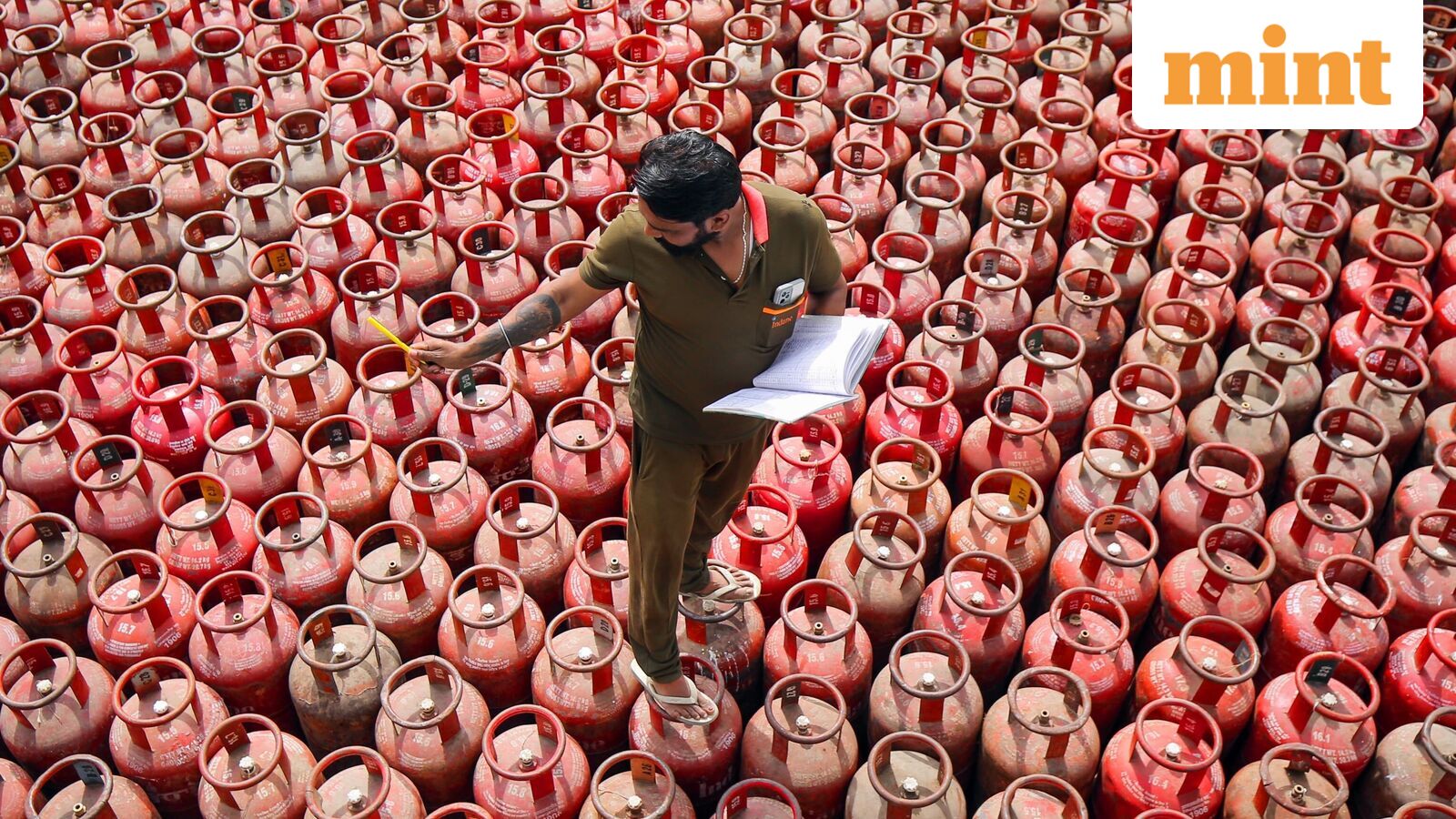
Domestic LPG cylinder prices in India remained unchanged across major cities on 16 May. Oil marketing companies (OMCs) – Indian Oil Corporation, Bharat Petroleum Corporation Limited, and Hindustan Petroleum Corporation Limited – held the 14.2-kg household cylinder at existing levels in Delhi, Mumbai, Kolkata, and Chennai. The freeze follows a ₹60 hike implemented in March, itself a response to rising international fuel costs.
Commercial users face a different reality. A 19-kg commercial LPG cylinder in Delhi now costs above ₹3,000, with similar jumps in Mumbai, Kolkata, and Bengaluru. The gap between domestic and commercial pricing has widened sharply after repeated increases through March, April, and May.
Domestic Freeze Masks Growing Subsidy Burden
The simple read is that the Indian government is shielding households from inflation ahead of a politically sensitive period. Analysts cited by Reuters confirm the Centre has so far avoided another domestic hike despite mounting input costs. The ₹3 per litre increase in petrol and diesel earlier this week – the first in four years – shows the government is willing to pass on some costs. Cooking gas remains a more sensitive category.
The better market read is that the freeze creates a growing subsidy burden for OMCs. India imports roughly 50% of its LPG requirements. Global prices are driven by crude oil volatility, Middle East tensions, and freight costs through the Strait of Hormuz. Every dollar move in crude or every percentage point depreciation in the rupee directly pressures OMC margins on domestic cylinders. The longer the freeze holds, the larger the eventual catch-up hike.
The March Hike as a Precedent
The March revision of ₹60 was the first domestic adjustment in months. It followed a period of rising international LPG prices and a weakening rupee. That hike provided temporary relief to OMCs. Since then, global crude has remained elevated, and the rupee has continued to trade near ₹83-84 per dollar. The March hike now looks like a stopgap, not a reset.
Rupee and Crude Double Squeeze
Rupee fluctuations add another layer. A weaker rupee raises the landed cost of imported LPG in rupee terms. The Reserve Bank of India has been managing the currency. Any sharp depreciation would force OMCs to either absorb losses or push for a price revision. The Strait of Hormuz disruption risk – a recurring theme in West Asia tensions – could spike LPG freight rates and spot prices overnight.
Key insight: The domestic LPG price freeze is a political decision that defers cost recovery. The longer it lasts, the more mechanical the eventual hike becomes – and the larger the single-day impact on household budgets and inflation expectations.
Commercial Cylinder Costs Squeeze MSME Margins
While households are protected, commercial users are absorbing the full weight of global LPG prices. MSMEs – particularly in food processing, hospitality, and small manufacturing – have reported shrinking profit margins. According to a Times of India report, some businesses are exploring alternatives such as piped natural gas (PNG) to cut operational costs.
The PNG Substitution Risk
A shift to PNG would reduce demand for commercial LPG, potentially easing some pricing pressure over the medium term. PNG infrastructure is concentrated in urban and industrial clusters. For MSMEs in smaller cities or rural areas, switching is not an option. Those businesses face a binary choice: absorb the cost or pass it to end consumers, which risks demand destruction.
Price Elasticity and Demand Impact
Commercial LPG demand is more price-elastic than domestic demand. If rates stay elevated, expect a measurable drop in commercial offtake in the next quarter. That could partially offset the import bill. It would also slow economic activity in energy-intensive small industries. The commercial-to-domestic price spread is a useful real-time gauge of subsidy pressure. A widening spread signals that the freeze is becoming more expensive to maintain.
Global Crude and Geopolitical Risk as the Next Trigger
The immediate catalyst for any domestic LPG price revision is the trajectory of global crude oil. The Middle East crisis has kept crude elevated. Any escalation – particularly a disruption at the Strait of Hormuz – would directly hit LPG prices. India has limited strategic storage for LPG, making it more vulnerable than crude to short-term supply shocks.
Timeline and Probability
| City | Domestic 14.2-kg Cylinder (₹) | Commercial 19-kg Cylinder (₹) |
|---|
| Delhi | 913 | Above 3,000 |
| Mumbai | 912.50 | Above 3,000 |
| Kolkata | 939 | Above 3,000 |
| Chennai | 928–929 | Above 3,000 |
The table shows the stark divergence. Domestic prices have not moved since March. Commercial rates have risen multiple times. The gap is unsustainable for OMCs if global costs stay high.
Risk to watch: A sustained crude price above $85 per barrel combined with a rupee depreciation past ₹84 per dollar would likely force a domestic LPG hike within 4–6 weeks. The March hike of ₹60 was a signal that the government is willing to act when the pressure becomes acute.
Conditions That Would Reduce the Risk
- Stable or falling crude oil prices – A resolution to Middle East tensions or a global demand slowdown would ease import costs.
- Rupee appreciation – A stronger rupee would lower landed costs without requiring a price hike.
- Government subsidy increase – The Centre could absorb the cost through direct budget support, delaying the need for a retail price adjustment.
Conditions That Would Force a Hike
- Escalation in the Middle East – Any disruption to tanker traffic through the Strait of Hormuz would spike LPG spot prices and freight rates.
- Further crude rally – A move above $90 per barrel would make the freeze untenable within weeks.
- Rupee depreciation below ₹85 – Each 1% fall adds roughly ₹9–10 to the cost of a domestic cylinder, based on import parity calculations.
For traders, the LPG story is a derivative of crude and currency positioning. The freeze creates a binary event risk: either global conditions ease, or India’s domestic LPG price resets sharply. The latter would feed into inflation data, consumer spending, and OMC stock valuations. Watch the Brent crude and USD/INR pairs as leading indicators.
For commodity analysts, the commercial-to-domestic price spread is a useful real-time gauge of subsidy pressure. A widening spread signals that the freeze is becoming more expensive to maintain. A narrowing spread – through either a domestic hike or a commercial cut – would mark the resolution.
For more on global energy markets, see our commodities analysis and crude oil profile.