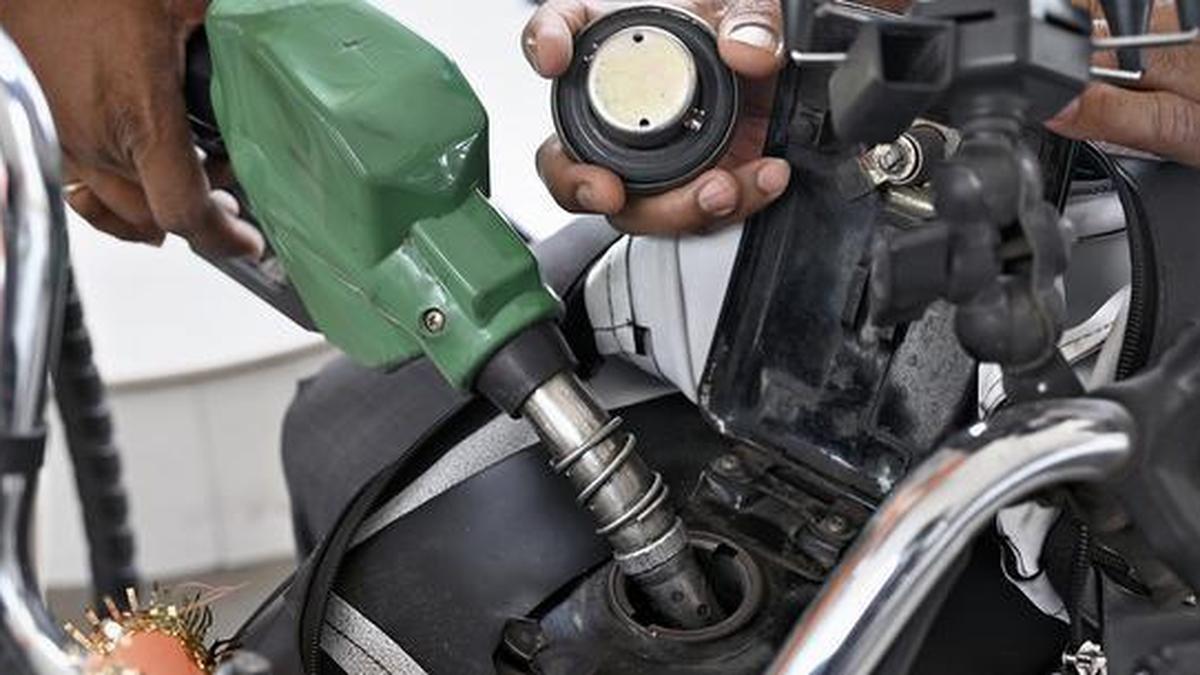
Indian state-run oil marketing companies raised petrol and diesel prices for the third time in eight days on May 23, 2026, adding a cumulative ₹4.8 per litre to retail fuel costs since May 15. The average hike of 90 paise per litre on Saturday pushed petrol in Delhi to ₹99.51 and diesel to ₹92.49. The acceleration in pricing marks the sharpest sequence of increases in four years and shifts the focus onto the operating margins of major OMCs and the inflation trajectory for Asia's third-largest economy.
Three Hikes in Eight Days: The Catalyst
The May 23 revision followed a ₹3 per litre jump on May 15 and a further 90 paise increase on May 19. All three hikes came within a span of eight days, a pace that breaks the pattern of infrequent adjustments seen in previous months. Retail petrol and diesel prices across the country now reflect a ₹4.8 per litre cumulative increase in just over a week. The moves are set by Indian Oil Corporation (IOC), Bharat Petroleum Corporation Ltd (BPCL), and Hindustan Petroleum Corporation Ltd (HPCL), which together control the bulk of retail fuel distribution.
The simple read is that higher pump prices immediately boost per-litre revenue for the OMCs. The better market read examines the timing. These hikes come after a prolonged period of stable or falling retail prices that compresses refinery margins. The rapid pass-through suggests the companies are either catching up to a sustained rise in global crude oil prices or rebuilding margins after the freeze. If crude stays near current levels, the OMCs have room to push prices further before demand destruction becomes a risk.
OMC Margin Calculus and Demand Signals
For investors tracking IOC, BPCL, and HPCL, the margin picture is the core variable. Each 90-paise hike adds directly to gross margins, assuming crude costs remain constant. Over three hikes, the cumulative effect is material: a ₹4.8 per litre increase represents about a 5% uplift on Delhi retail petrol prices. The OMCs' marketing margins have been under pressure from regulated pricing and election-year constraints. The current string of hikes may signal that those constraints are easing.
Demand is the counterweight. India's fuel consumption has been recovering steadily, and higher prices risk slowing the pace of volume growth. The OMCs must balance margin recovery against the risk of dampening demand. A clear test will come with the next monthly sales data from the Petroleum Planning and Analysis Cell. If volumes hold up, it validates the pricing strategy. If they contract, the OMCs may pause further hikes.
The Next Decision Point: Crude and Inflation Linkage
The primary external driver for Indian fuel prices is Brent crude. The May increases come against a backdrop of global oil near $80 per barrel. If Brent breaks higher, another round of hikes is probable. If crude softens, the OMCs could hold prices stable or even reverse part of the increase. Traders should watch the daily revision announcements from the OMCs as the next concrete marker. A fourth hike within two weeks would confirm the pattern; a pause would suggest the companies are testing demand elasticity.
Beyond the commodity linkage, higher fuel costs feed into India's retail inflation via transport and cooking fuel components. The Reserve Bank of India's rate path is sensitive to fuel-driven inflation. A sustained rise in petrol and diesel prices could complicate the timing of any future rate cuts. For commodity-focused traders, the Indian fuel price series is a real-time barometer of both local demand and global crude pass-through mechanics. The commodities analysis section tracks these macro correlations, and the crude oil profile provides context on the underlying global supply-demand setup.
Three hikes in eight days is a pattern worth watching. It becomes a trend only when the fourth hike confirms the direction. The next revision announcement, expected in the coming days, will tell the story.