Stocks● Neutral
CSK Performance Slump: Governance Risks and the Dhoni Factor
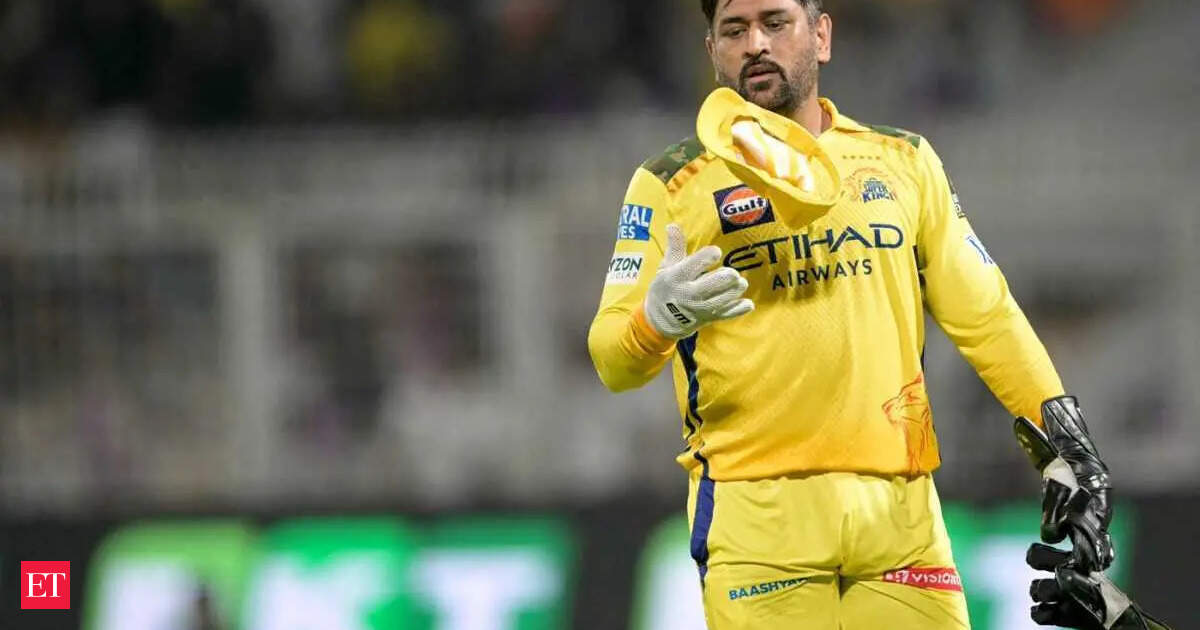
Two wins in six games reveal systemic management issues at CSK. Investors must watch the mid-season review to see if leadership prioritizes real performance.
Continue with
Two wins in six games reveal systemic management issues at CSK. Investors must watch the mid-season review to see if leadership prioritizes real performance.
Alpha Score of 43 reflects weak overall profile with moderate momentum, weak value, weak quality. Based on 3 of 4 signals — score is capped at 90 until remaining data ingests.
The Chennai Super Kings have opened their 2026 Indian Premier League campaign with a challenging record, securing only two victories across their first six fixtures. This underperformance has shifted the narrative from routine tactical critique to a broader examination of the franchise's internal culture and management structure. Former Indian cricketer Sanjay Manjrekar has publicly attributed these struggles to a systemic issue within the organization, specifically citing an environment of sycophancy surrounding MS Dhoni that he believes hinders objective decision-making.
The critique centers on the influence of legacy figures within the Chennai Super Kings management. When a franchise becomes synonymous with a single individual, the operational structure often struggles to pivot during periods of decline. Manjrekar suggests that the intense fan following for Dhoni has transitioned into a corporate environment where critical assessment of team performance is secondary to maintaining the existing brand narrative. This dynamic creates a barrier for management to implement necessary changes to the roster or tactical approach.
For investors and stakeholders in sports franchises, the reliance on a singular star personality presents a distinct governance risk. When the performance of the asset is tied to the aura of a veteran player, the franchise faces a difficult transition period. The current results indicate that the team is failing to execute at a level consistent with its historical standing, raising questions about the sustainability of the current management model.
The broader sports entertainment sector is currently navigating a shift where franchise value is increasingly decoupled from on-field performance, yet the Chennai Super Kings case highlights the limits of this trend. If the management remains insulated from accountability due to the popularity of its core assets, the risk of long-term brand erosion increases. The following factors are now central to the team's outlook:
AlphaScala data currently tracks various sectors for performance shifts, including Communication Services with T stock page holding an Alpha Score of 60/100, and Financials where MS stock page also maintains a 60/100 score. While these entities operate in different markets, they share the requirement for transparent governance to maintain investor confidence. In the case of the Chennai Super Kings, the immediate marker for recovery will be the team's ability to secure consecutive wins in the upcoming round of fixtures. Failure to do so will likely force a deeper inquiry into the franchise's administrative hierarchy and the influence of non-cricketing stakeholders on team selection and strategy. The next concrete indicator will be the management's response during the mid-season review, where they must decide whether to reinforce the current structure or initiate a formal shift in leadership strategy. Investors in sports-related equities should monitor whether the franchise prioritizes operational efficiency or continues to lean on the existing brand narrative as a substitute for competitive performance.
Drafted by a large language model from the source reporting linked above, then screened by automated publishing checks. It is not read by a journalist before publication. Some articles cite our Alpha Score. Verify prices and figures against the original source. Educational coverage, not personalized advice.