Back to Markets
Stocks● Neutral

Federal Funding Resumption Resets Second Avenue Subway Timeline

April 17, 2026 at 07:35 PMBy AlphaScalaEditorial standardsSource: enr.com
Federal Funding Resumption Resets Second Avenue Subway Timeline

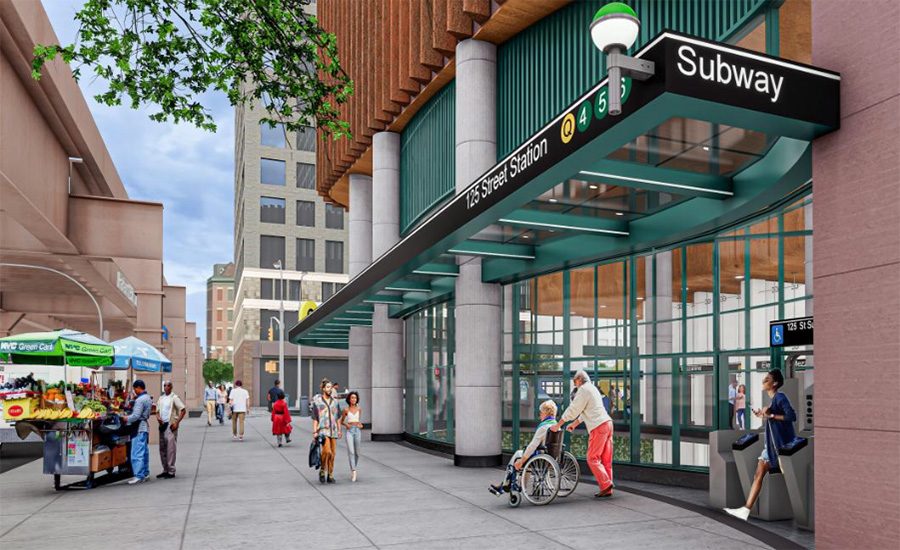
The U.S. Department of Transportation has restored funding for the Second Avenue Subway, shifting oversight to a federal court that now requires documented proof of capital deployment.

The U.S. Department of Transportation reversed its funding freeze for the Second Avenue Subway project on April 16, notifying a federal court of the decision hours before scheduled oral arguments were set to commence. This reversal concludes a period of administrative uncertainty that had stalled capital allocation for the expansion. The court now requires documented proof that these funds are being deployed according to the project schedule, shifting the oversight mechanism from standard administrative reporting to direct judicial monitoring.

Project Continuity and Capital Deployment

The restoration of federal support removes the primary bottleneck that threatened to delay procurement and labor contracts for the next phase of the expansion. By completing its review of the project's financial and operational milestones, the Department of Transportation has signaled that the infrastructure plan meets federal compliance standards. This shift allows the Metropolitan Transportation Authority to resume bidding processes that had been placed on hold during the review period. The court's involvement ensures that the flow of capital remains transparent, as the agency must now provide periodic updates to satisfy the judge's oversight requirements.

This development is critical for the broader stock market analysis regarding infrastructure-linked equities. Companies involved in heavy civil engineering, tunneling, and rail signaling systems rely on the predictability of federal grants to manage their own capital expenditures and labor force planning. When funding is paused, these firms often face increased overhead costs associated with idle equipment and retained specialized labor. The resumption of funding provides a clearer revenue visibility window for contractors currently positioned in the transit sector.

Structural Risks and Oversight Mechanisms

The transition to court-monitored funding introduces a new variable for project management. While the immediate risk of a funding shortfall has been mitigated, the requirement for judicial proof of deployment creates a high-stakes environment for administrative compliance. Any future delays in reporting or deviations from the established spending timeline could trigger further legal scrutiny, potentially complicating the relationship between the federal government and local transit authorities.

Investors should monitor the following markers as the project progresses:

  • The issuance of new contract awards for the next phase of tunneling and station construction.
  • The frequency and content of the status reports submitted to the federal court.
  • Potential adjustments to the project completion timeline following the recent administrative pause.

This oversight structure reflects a broader trend toward increased federal scrutiny of large-scale public works projects. As agencies navigate these requirements, the focus remains on whether the current funding levels are sufficient to cover inflationary pressures on raw materials and labor. The intersection of Policy Shifts and Operational Risks in Private Detention Infrastructure and public transit funding highlights how administrative decisions continue to dictate the pace of capital-intensive sectors.

AlphaScala data indicates that infrastructure-linked firms often experience heightened volatility during periods of administrative review, with price action stabilizing only after the formal confirmation of grant distribution. The next concrete marker for the market will be the first status report filing, which will confirm whether the actual disbursement of funds aligns with the project's stated procurement schedule. If the agency meets these initial benchmarks, it will likely reduce the risk premium currently priced into the project's long-term contractors.

How this story was producedLast reviewed Apr 17, 2026

AI-drafted from named sources and checked against AlphaScala publishing rules before release. Direct quotes must match source text, low-information tables are removed, and thinner or higher-risk stories can be held for manual review.

Editorial Policy·Report a correction·Risk Disclaimer