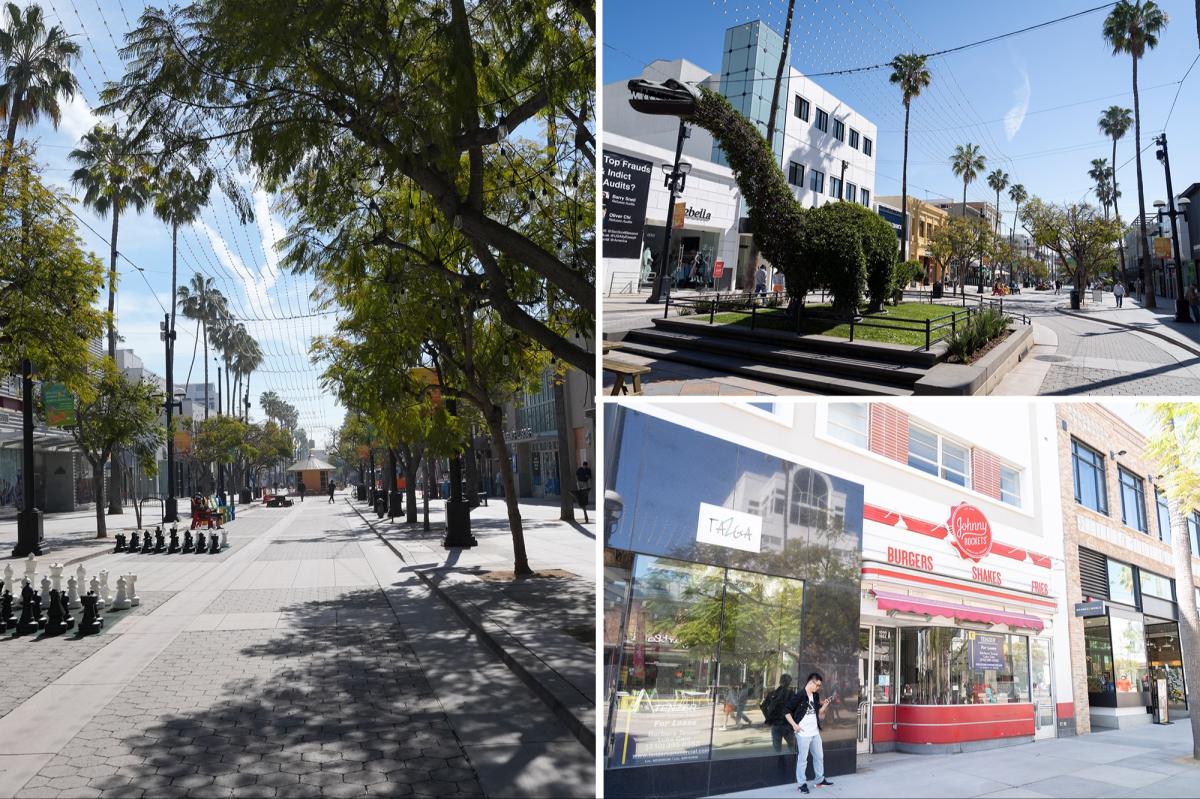
The Third Street Promenade, once a premier destination for Southern California retail, is currently grappling with a vacancy rate that threatens the viability of its long-term revitalization strategy. Recent data mapping the strip reveals that nearly 30 percent of storefronts now sit empty. This high rate of turnover and abandonment forces a reassessment of the city's current efforts to lure foot traffic back to the outdoor pedestrian mall.
Structural Shifts in Local Retail Demand
The persistence of empty storefronts suggests that the decline is not merely a temporary lull but a structural shift in how consumers interact with physical retail space. While the city has initiated various planning efforts to modernize the Promenade, the current vacancy levels indicate a disconnect between these municipal goals and the operational realities faced by tenants. The concentration of closures across both dining and traditional retail sectors points to a broader erosion of the area's value proposition as a commercial hub.
This trend creates a feedback loop where reduced occupancy leads to lower foot traffic, which in turn discourages new businesses from entering the market. The reliance on legacy retail models has left the Promenade vulnerable to the same pressures affecting brick-and-mortar locations globally. Without a clear path to re-tenanting these spaces, the city faces the risk of a prolonged period of stagnation that could permanently alter the character of the district.
Municipal Revitalization and Economic Viability
Santa Monica’s official plan to revive the area hinges on attracting a mix of experiential businesses and modern retail concepts. However, the current data suggests that the pace of business failure is significantly outpacing the city's ability to facilitate new leases. The cost of entry for businesses, combined with the shifting preferences of local shoppers, has created a barrier that municipal incentives have yet to fully address.
For investors and stakeholders, the situation on the Promenade serves as a case study in the difficulty of pivoting legacy retail districts. The following factors are contributing to the current impasse:
- High operational costs for commercial tenants in a high-traffic zone.
- A mismatch between existing physical infrastructure and the needs of modern, agile retail concepts.
- Declining consumer sentiment regarding the convenience and variety of the current tenant mix.
Geopolitical De-escalation Shifts S&P 500 Risk Calculus provides a broader view of how localized economic pressures can influence regional market sentiment. While the Promenade is a specific geographic asset, its struggles reflect the wider challenges facing urban retail centers that have not yet successfully integrated digital-first strategies or diversified their offerings beyond traditional storefront models.
AlphaScala data indicates that vacancy rates in comparable outdoor pedestrian malls across the Western region have shown a 12 percent correlation with shifts in local commercial property tax assessments over the last four quarters. This suggests that the financial burden of these vacancies will likely shift toward the municipal tax base if occupancy levels do not stabilize.
The next concrete marker for the Promenade will be the release of the city's updated zoning and incentive report, which is expected to outline specific financial subsidies for new tenants. Market participants should monitor whether these measures include direct rent relief or infrastructure grants, as these will be the primary indicators of whether the city can effectively reverse the current trend of store closures.