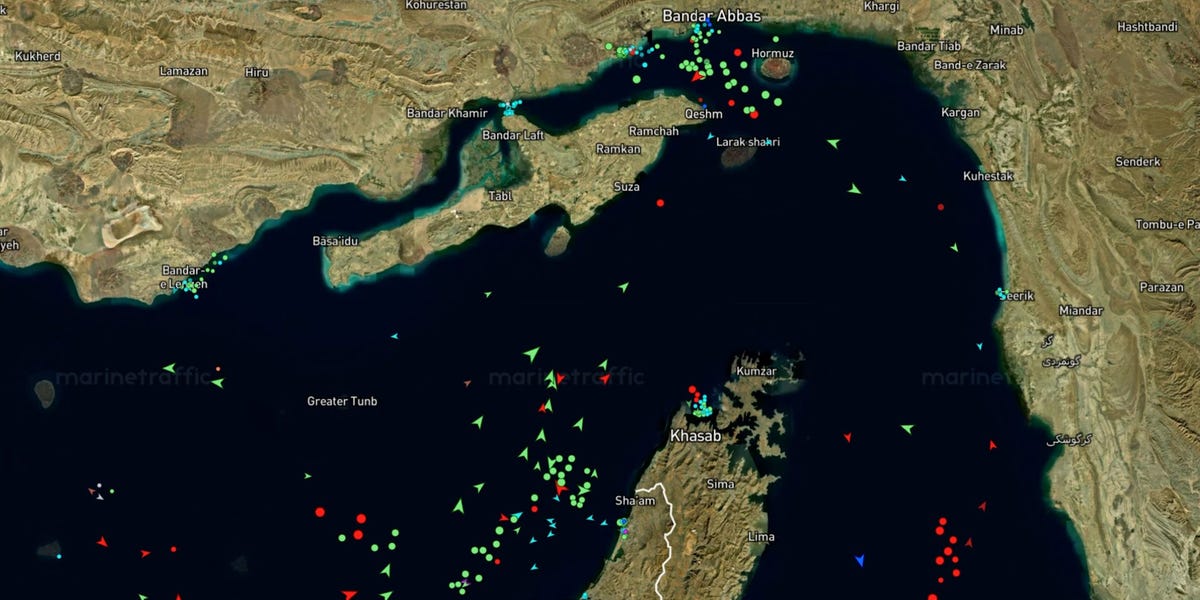
The resumption of unhindered maritime traffic through the Strait of Hormuz marks a significant shift in the global energy supply chain. Recent vessel tracking data confirms that tanker traffic has returned to standard operational patterns, effectively neutralizing the immediate risk of a supply bottleneck in one of the world's most critical energy chokepoints. This development provides a necessary relief valve for global crude and liquefied natural gas markets that rely on this narrow passage for daily transit.
Impact on Global Energy Logistics
The stabilization of this maritime corridor allows for the normalization of shipping schedules and insurance premiums that had previously spiked due to transit uncertainty. When transit lanes are restricted, the resulting logistical friction forces energy producers and distributors to account for longer lead times and higher operational costs. With the Strait now open, the immediate pressure on spot market pricing for energy commodities is expected to subside as supply chains regain their predictable cadence.
This return to normalcy is particularly relevant for the Fertilizer Market Realigns as Strait of Hormuz Transit Resumes, as the cost of shipping raw materials and finished agricultural inputs is highly sensitive to maritime transit efficiency. The restoration of standard shipping routes mitigates the risk of inventory shortages that often follow prolonged transit delays. Producers can now focus on optimizing their distribution networks rather than managing the volatility associated with emergency rerouting.
Assessing the Supply Chain Read-through
The reopening of the Strait serves as a primary indicator for broader industrial health. As shipping volumes recover, the focus shifts toward the underlying demand for energy and the capacity of global fleets to meet that demand without further disruption. The following factors remain central to the current logistics environment:
- The stabilization of maritime insurance rates for vessels operating in the region.
- The reduction in vessel idle time as queues at the Strait dissipate.
- The resumption of standard loading schedules for major regional export terminals.
While the immediate crisis has passed, the reliance on this single chokepoint remains a structural vulnerability for global trade. The current stability provides a window for operators to reassess their contingency plans and inventory buffers. The normalization of these routes also impacts the broader stock market analysis regarding energy sector profitability, as reduced shipping costs directly support margin stability for major exporters.
Next Steps for Market Monitoring
The next concrete marker for this narrative will be the release of updated monthly port throughput data and regional export volume reports. These figures will confirm whether the volume of cargo moving through the Strait has fully recovered to pre-disruption levels or if lingering caution among ship operators continues to suppress throughput. Market participants should look for the next set of quarterly logistics updates from major energy shippers to gauge the long-term impact on operational expenses. Any deviation from the current trend of normalized transit will serve as the primary signal for renewed volatility in energy-linked equities.