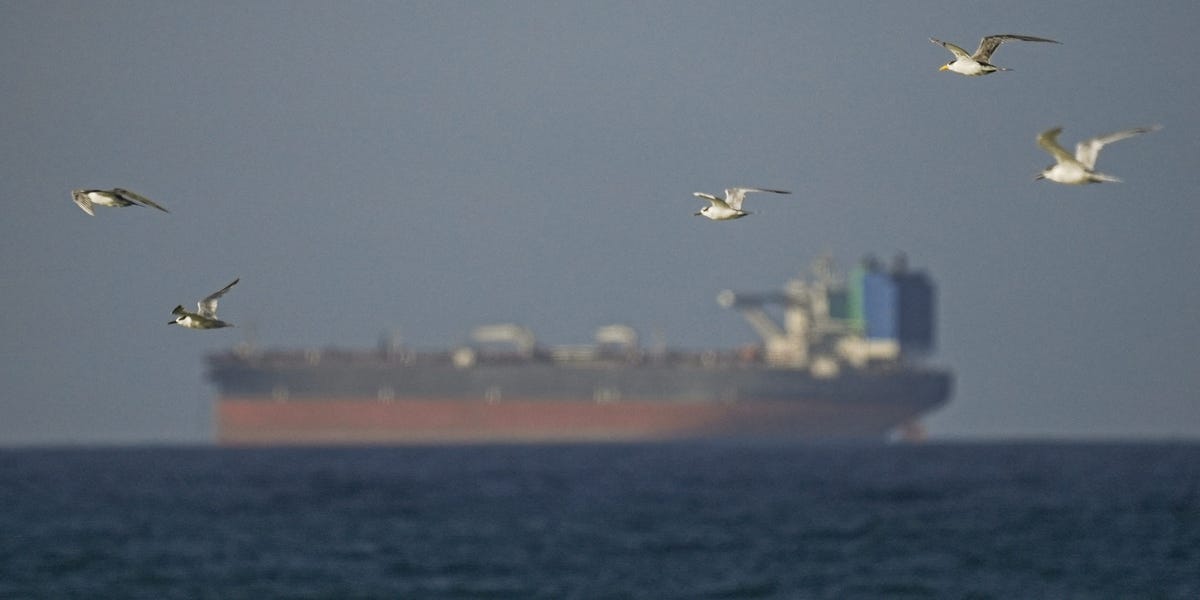
Strait of Hormuz Reopens as Maritime Traffic Resumes

Commercial maritime traffic has resumed through the Strait of Hormuz following an official announcement that the waterway is open, signaling a stabilization in global energy logistics.
The Strait of Hormuz is once again operational for commercial maritime traffic following an official announcement from Iranian authorities on Friday. This development marks a shift in the status of one of the world's most critical energy chokepoints. Real-time ship-tracking data confirms that vessels are now navigating through the waterway, signaling a return to standard transit patterns after a period of uncertainty.
Impact on Energy Logistics and Global Supply Chains
The resumption of transit through the Strait of Hormuz directly influences global energy logistics. A significant portion of the world's daily oil and liquefied natural gas exports passes through this narrow passage. When transit is interrupted, global supply chains face immediate pressure, often leading to rapid adjustments in shipping routes and insurance premiums for maritime carriers. The return to normal operations allows for the stabilization of these logistical flows, reducing the immediate risk of supply shortages that often follow transit disruptions.
This reopening serves as a primary indicator for the Fertilizer Market Realigns as Strait of Hormuz Transit Resumes narrative, as agricultural inputs are frequently transported through this region. The normalization of shipping schedules allows producers to clear backlogs that accumulated during the closure. For energy-intensive industries, the predictability of transit times is essential for maintaining inventory levels and managing production costs.
Assessing the Sustainability of Maritime Transit
While the current movement of vessels suggests a return to normalcy, the stability of the region remains a focal point for global markets. The reopening is a functional change, but the broader geopolitical context continues to influence how shipping companies approach the area. Commercial operators are currently monitoring several factors to ensure the safety and reliability of their routes:
- The frequency and volume of tanker traffic passing through the chokepoint.
- Updates from maritime security agencies regarding regional safety protocols.
- Changes in war risk insurance premiums applied to vessels operating in the Persian Gulf.
These factors determine whether the current flow of traffic will remain consistent or if shipping companies will maintain precautionary measures. The transition from a closed status to an open one reduces the immediate risk premium, but the market will look for sustained, uninterrupted transit over the coming weeks to confirm that the operational environment has fully stabilized.
Next Steps for Market Monitoring
Market participants are now shifting their focus toward the next set of data points that will confirm the durability of this reopening. The primary marker for success will be the volume of cargo throughput reported by major shipping hubs in the region over the next seven to ten days. If transit volumes return to their historical averages, it will indicate that the disruption has been fully resolved. Conversely, any new reports of vessel delays or changes in security posture will likely trigger a re-evaluation of the risk profile for energy-related stocks and global shipping indices. The next concrete update will come from official port authority logs and satellite-based tracking reports that detail the consistency of vessel passage through the strait.
AI-drafted from named sources and checked against AlphaScala publishing rules before release. Direct quotes must match source text, low-information tables are removed, and thinner or higher-risk stories can be held for manual review.