Stocks● Neutral
Geopolitical De-escalation Resets S&P 500 Risk Premium
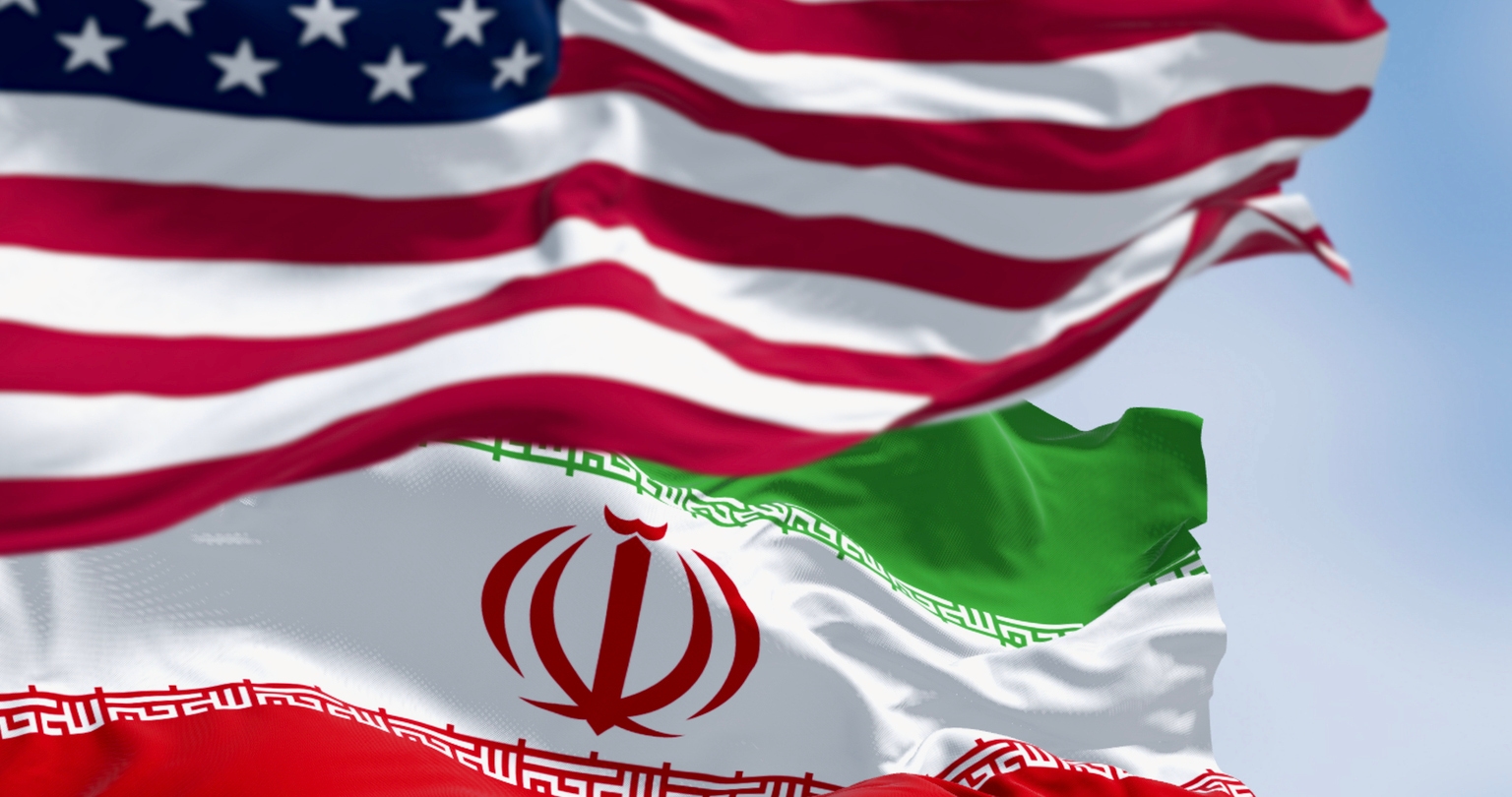
Diplomatic breakthroughs in the Strait of Hormuz and Middle East ease energy volatility. Investors now pivot toward growth as supply chain risks subside.
Continue with
The resumption of maritime transit through the Strait of Hormuz, coupled with a ceasefire agreement between Israel and Lebanon and the initiation of formal nuclear talks between the United States and Iran, marks a definitive shift in the geopolitical risk premium currently embedded in the S&P 500. For months, the potential for supply chain disruptions and energy price volatility acted as a persistent ceiling on equity valuations. The sudden alignment of these three diplomatic breakthroughs removes the immediate threat of a regional conflict escalation that would have otherwise forced a re-pricing of energy-sensitive sectors.
Normalization of Energy Logistics and Supply Chains
The reopening of the Strait of Hormuz is the most significant development for global energy markets. As a primary chokepoint for crude oil and liquefied natural gas, the restoration of normal transit schedules allows for the stabilization of global energy logistics. This development directly impacts the cost structures of industrial and transportation sectors that have been grappling with high fuel surcharges and unpredictable delivery timelines. With the energy logistics normalizing as Strait of Hormuz transit resumes, the focus shifts from supply-side scarcity to the underlying demand fundamentals of the broader economy.
Impact on Index Valuation and Sector Rotation
The S&P 500 has historically reacted to geopolitical stability by rotating capital out of defensive, high-yield assets and back into growth-oriented sectors. The reduction in regional tension lowers the volatility index, which typically supports higher price-to-earnings multiples across the technology and consumer discretionary sectors. This environment favors companies with high operational leverage that were previously penalized for their exposure to international supply chain fragility. Investors are now recalibrating their models to account for a lower risk-free rate environment, as the inflationary pressure from energy spikes is expected to moderate in the coming quarters.