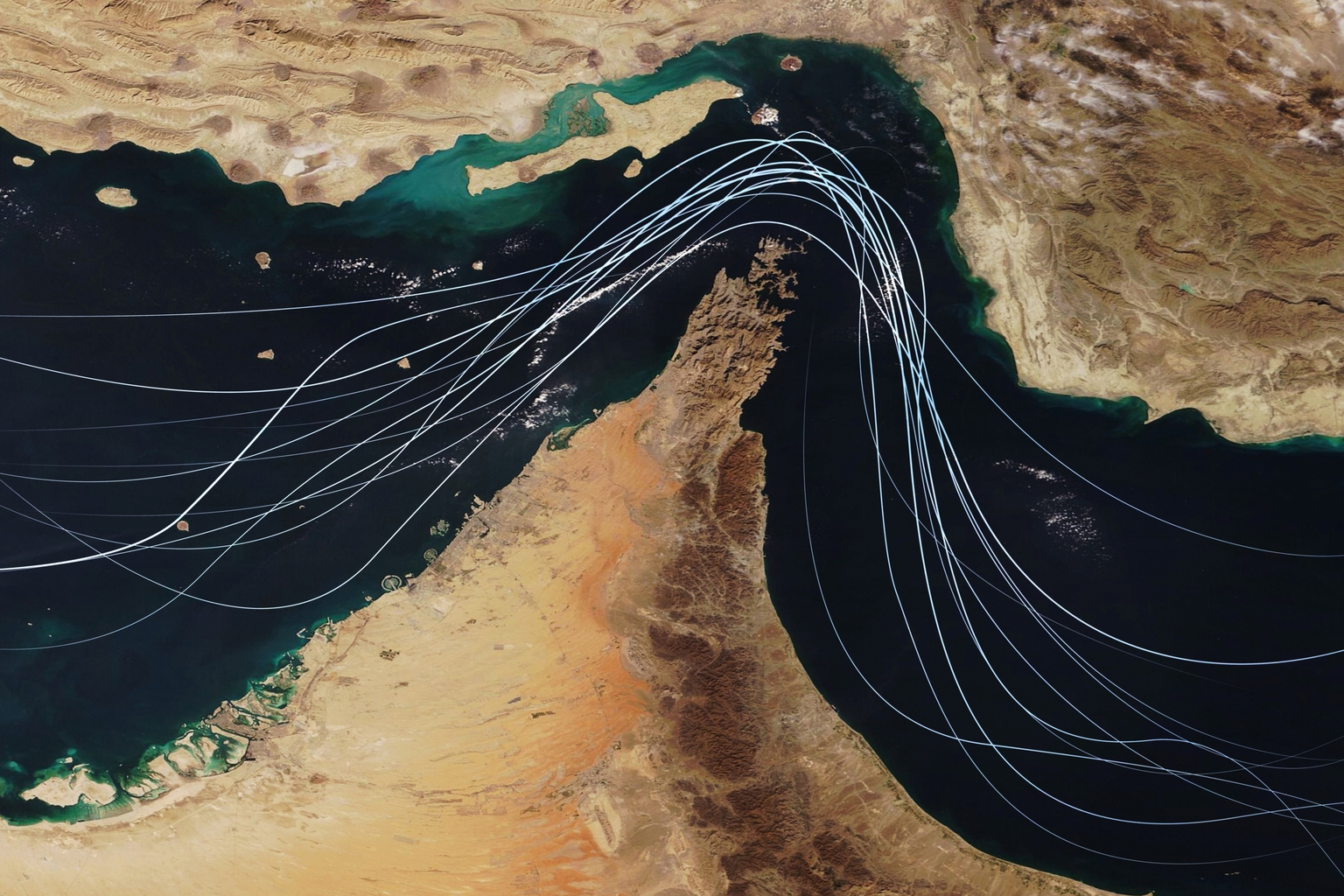
Exxon Mobil (XOM) reported a solid earnings and revenue beat on Friday, May 1, 2026, demonstrating operational resilience in the face of persistent geopolitical instability. The company successfully navigated complex supply chain environments, particularly as petroleum and LNG flows through the Strait of Hormuz remain constrained by the ongoing diplomatic standoff between the United States and Iran. For energy investors, this performance serves as a stress test for how integrated majors manage regional volatility while maintaining production targets.
Operational Resilience and Geopolitical Exposure
The primary narrative here is the company's ability to maintain output levels despite the heightened risk of transit disruptions in critical maritime chokepoints. While the market often prices in geopolitical risk as a binary event, the reality for an integrated major like XOM is a constant management of logistics and insurance costs. The Q1 results suggest that the current infrastructure and hedging strategies are sufficient to absorb the friction caused by the U.S.-Iran impasse. This stability is a key differentiator for investors evaluating the stock market analysis for energy sector exposure, as it separates companies with robust logistics from those more vulnerable to localized supply shocks.
Capital Allocation and Sector Valuation
Beyond the immediate earnings beat, the focus shifts to how these cash flows are deployed in a high-risk environment. The firm continues to prioritize capital discipline, balancing dividend commitments with the need for sustained investment in refining capacity. When comparing this to peers like CVX or COP, the market is currently assigning a premium to firms that can demonstrate consistent earnings growth without relying solely on price spikes in the underlying commodity. The AlphaScala data reflects this sentiment, with XOM holding an Alpha Score of 56/100, indicating a moderate outlook compared to the mixed labels assigned to its peers.
Assessing the Risk-Reward Framework
Investors should look past the headline beat and focus on the sustainability of these margins if transit costs through the Strait of Hormuz continue to climb. The risk for the sector is not just a potential supply cutoff, but the gradual erosion of margins due to rising shipping insurance premiums and longer transit routes. If the diplomatic situation remains deadlocked, the next concrete marker will be the company's updated guidance on capital expenditure and any adjustments to production forecasts in the upcoming quarterly filing. A failure to maintain these margins in the face of rising logistics costs would likely trigger a re-evaluation of the current valuation, regardless of the strength of the Q1 report.