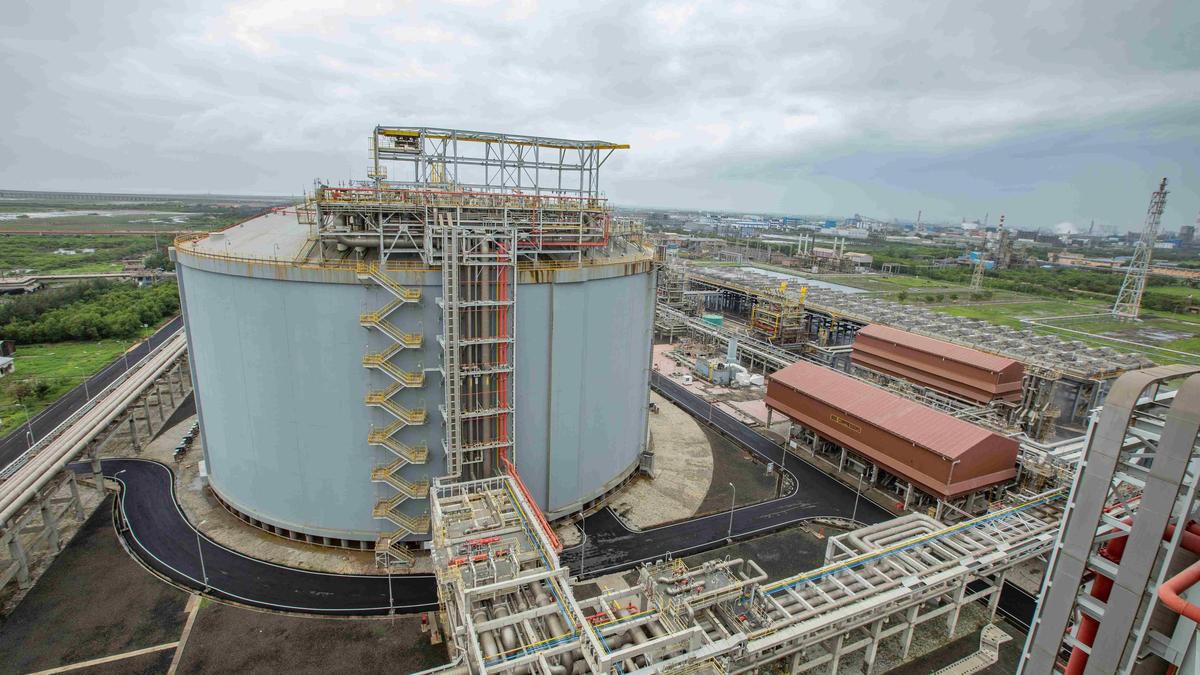
Petronet LNG reported a 25.3% year-over-year increase in consolidated net profit to ₹1,337.6 crore for the quarter ending in March. This earnings expansion occurred despite a significant 23% decline in total revenue, which fell to ₹9,642.3 crore during the same period. The divergence between top-line contraction and bottom-line growth highlights the company's sensitivity to input cost volatility and the specific pricing environment that existed prior to the recent escalation in geopolitical conflict.
Input Cost Dynamics and Margin Expansion
The primary driver behind this performance was a sharp reduction in the cost of materials consumed. Expenses related to gas procurement dropped 28.5% year-over-year to ₹7,746 crore. This contraction in input costs outpaced the decline in overall revenue, effectively widening margins. For an importer like Petronet, the ability to capitalize on a favorable gas price regime is the most critical lever for profitability, as the company operates as a middleman between global supply markets and domestic industrial demand.
While the revenue decline suggests lower volumes or lower pass-through pricing, the profit growth indicates that the company successfully managed its procurement costs during the window before conflict-driven supply chain disruptions intensified. Investors should note that this quarter represents a snapshot of a market environment that has since shifted. The current geopolitical landscape introduces new risks to both the cost of procurement and the stability of supply chains that were not fully reflected in these March-end figures.
Market Positioning and Sector Context
Petronet LNG remains a central player in India's energy infrastructure, serving as the primary gateway for liquified natural gas imports. The company's business model is inherently tied to the global commodities analysis framework, where price differentials between international benchmarks and domestic demand dictate operational success. The 28.5% reduction in material costs demonstrates how effectively the company can leverage temporary price dips to bolster its financial position, provided that demand remains resilient.
AlphaScala currently assigns an Alpha Score of 66/100 to Cheniere Energy, Inc. (LNG), reflecting a moderate outlook for the broader sector as firms navigate the transition from a period of favorable pricing to one defined by heightened geopolitical risk. For more on the broader energy landscape, see the LNG stock page.
Moving forward, the key decision point for market participants involves monitoring how the company manages procurement costs in a high-conflict environment. Future filings will reveal whether the margin expansion achieved in this quarter is sustainable or if the recent surge in global energy volatility will force a compression in the cost-benefit spread. The next catalyst will be the company's ability to maintain these margins while navigating potential supply bottlenecks and shifting regional demand profiles.