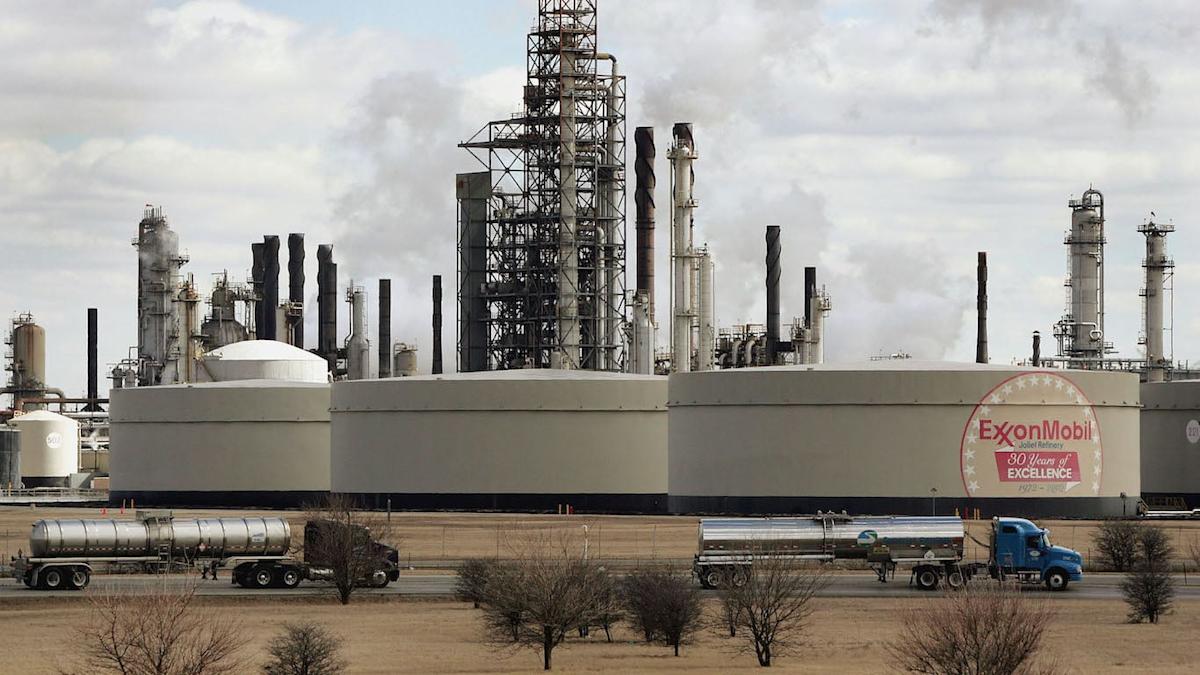
The narrative surrounding integrated oil majors has undergone a structural pivot, moving away from the volatile boom-bust cycles that defined the sector for decades. As discussed on CNBC’s Halftime Report on May 1, 2026, companies like Exxon Mobil (NYSE:XOM) and Chevron (NYSE:CVX) have transitioned into disciplined cash-return vehicles. This shift is not merely a tactical adjustment but a decade-long recalibration of corporate strategy, fundamentally altering how these entities interact with capital markets and their own balance sheets.
The 2016 Catalyst and the End of Aggressive CapEx
The transformation of the energy sector is rooted in the 2016 downturn, a period characterized by a mini credit crisis that saw high-yield bonds for energy companies crater as Saudi Arabia flooded global markets with crude. For management teams at U.S. majors, this period served as a definitive lesson in the dangers of over-leveraging for production growth. The industry response was a wholesale rejection of the growth-at-all-costs model. Instead, leadership teams pivoted toward a philosophy of fiscal responsibility, prioritizing the management of cash flows and profits over the aggressive capital expenditure programs that previously characterized the sector.
This shift is now the bedrock of the investment thesis for these companies. The modern energy major is designed to survive and thrive through commodity price fluctuations by maintaining a lower break-even cost, which allows for consistent shareholder distributions regardless of the spot price of oil. This structural change has effectively decoupled the companies' ability to return capital from the extreme volatility of commodity cycles, making them more attractive to income-focused investors who previously avoided the sector due to its cyclical unpredictability.
Exxon Mobil: Capital Allocation and Dividend Consistency
Exxon Mobil (XOM) serves as the primary example of this disciplined approach. The company currently trades at approximately 15x earnings and offers a dividend yield near 3%, providing a stable income profile for long-term holders. The firm’s commitment to shareholder returns is evidenced by its recent financial activity: in 2025, Exxon repurchased $20.3 billion of its own stock and paid $17.2 billion in dividends. The company has maintained a 43-year streak of annual dividend increases, a testament to the sustainability of its current cash-return model. Management is currently guiding for an additional $20 billion in share buybacks for 2026, signaling that this capital return strategy remains the primary focus of the firm’s financial planning.
For those tracking the sector, the Exxon Mobil Q1 EPS Beats Estimates by 15% on Guyana Production report provides additional context on how operational efficiency in key regions supports these broader financial goals. The stock currently sits roughly 15% below its recent high, a valuation point that some market participants view as an entry opportunity given the firm's consistent cash generation. With an Alpha Score of 56/100, XOM is currently labeled as Moderate, reflecting a balance between its strong cash-return profile and the inherent risks associated with the broader energy sector.
Chevron and the Mechanics of Shareholder Value
Chevron (CVX) mirrors this disciplined performance model. The company has successfully returned more than $5 billion per quarter to shareholders for 16 consecutive quarters, demonstrating a high degree of predictability in its capital allocation. CEO Mike Wirth has explicitly tied the company’s recent performance to this disciplined approach, noting that it supports dependable cash generation and enables the firm to continue returning significant capital to shareholders. Chevron recently raised its dividend to $1.78 per share, extending its growth streak to 39 years.
Despite this consistency, the market remains selective. While Chevron is a cornerstone of the modern energy model, it does not always appear in every top-tier growth portfolio, as seen in recent analyst rankings. With an Alpha Score of 45/100, CVX is currently labeled as Mixed, indicating that while the company’s cash-return strategy is robust, investors are weighing these benefits against other stock market analysis factors. For a deeper look at the specific production and price risks facing the company, see the Chevron Outlook: Assessing Production and Price Risks.
Assessing the Shift in Market Perception
Investors who previously viewed energy stocks as purely cyclical trades are now forced to reconcile this new reality. The industry fell out of favor with a large swath of the investing community during the previous decade, but the pivot toward fiscal responsibility has begun to change that sentiment. Commodity prices are now viewed as a tailwind rather than the sole foundation of the investment thesis. As one panelist noted, investors who added to their positions in November did not necessarily anticipate oil reaching $100 a barrel, suggesting that the current valuation is supported by the underlying cash-return mechanics rather than speculative commodity price targets.
This shift in focus from growth to returns creates a distinct risk-reward profile compared to other sectors. For instance, while technology stocks like those found on the NVIDIA profile often trade on future growth expectations and innovation cycles, energy majors are now valued on their ability to generate and distribute free cash flow. NVIDIA currently holds an Alpha Score of 66/100 and is labeled as Moderate, trading at $196.37 with a -1.05% move today. The contrast between the capital-intensive, growth-oriented tech sector and the cash-generative, return-focused energy sector highlights the diverse ways investors are currently positioning their portfolios to manage volatility and income requirements. The sustainability of this model will ultimately be tested by how these companies manage their capital return commitments during periods of extended commodity price weakness, which remains the primary long-term risk to the current thesis.