Market Analysis
Opinionated, data-backed coverage across all asset classes

Stocks6d ago
How the Wealthy Think About Money Differently
Self-made wealth starts with ownership, not income. The same habits — equity, good debt, tax efficiency, patience — separate the upper class from everyone else long before the bank account does.

Stocks6d ago
10 Habits Keeping Working-Class Earners From Building Wealth
Wealth is less about paycheck size than habits. From credit card debt to lifestyle inflation, these 10 patterns quietly drain working-class households.
Crypto6d ago
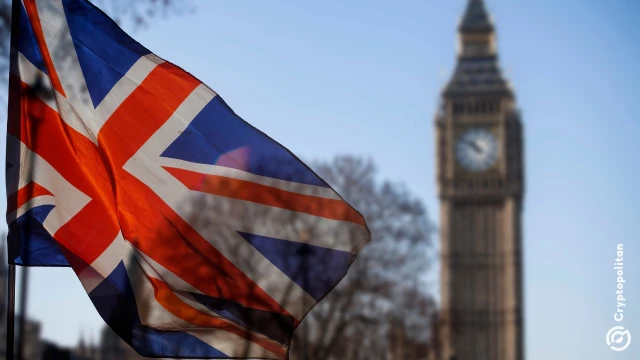
UK Tax Authority's 81,000 Crypto Letters Signal 2027 Crackdown
HMRC sent 81,000 crypto tax warning letters, up 25% year-on-year. The OECD's CARF starts in 2027, giving tax authorities standardized transaction data across 46 jurisdictions.

Stocks6d ago
Ralph Lauren gains as Morgan Stanley interns shift preferences
Morgan Stanley's intern survey shows Ralph Lauren gaining share among young high-income consumers, while Nike and Starbucks lose ground. Alpha Score 63 for RL.

Stocks6d ago
Why Parents Pay $19,000 for Phone-Free Summer Camps
Parents spend up to $19,000 on summer camps that ban phones. Camp directors say the tech-free environment improves social skills, but kids struggle with the transition. The trend highlights a growing demand for digital detox among Gen Alpha.

Stocks6d ago
My AI agent got me banned from Resy. Another agent got me reinstated.
An AI agent got Brian Distelburger banned from Resy. Another agent drafted a reinstatement email that worked. The lesson: set guardrails.
Stocks6d ago
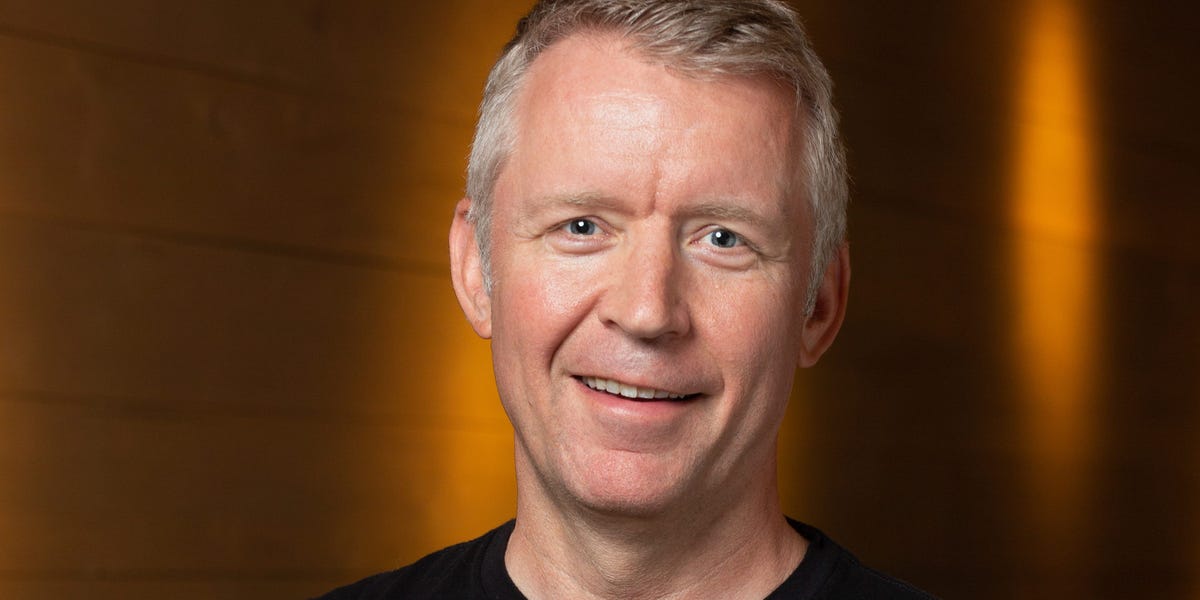
Garmin gets a lift from Outside CEO's outdoor push
Outside Interactive CEO Robin Thurston rides 10,000 miles a year and uses Garmin wearables. His outdoor-first strategy and personal habits signal continued demand for Garmin's fitness trackers and GPS devices.

Stocks6d ago
Stripe president: checkout pages 'will go away' as AI buys for you
Stripe's Will Gaybrick says AI agents will end checkout pages as we know them. CEO Patrick Collison calls it inevitable, while shopper trust lags.
Stocks6d ago
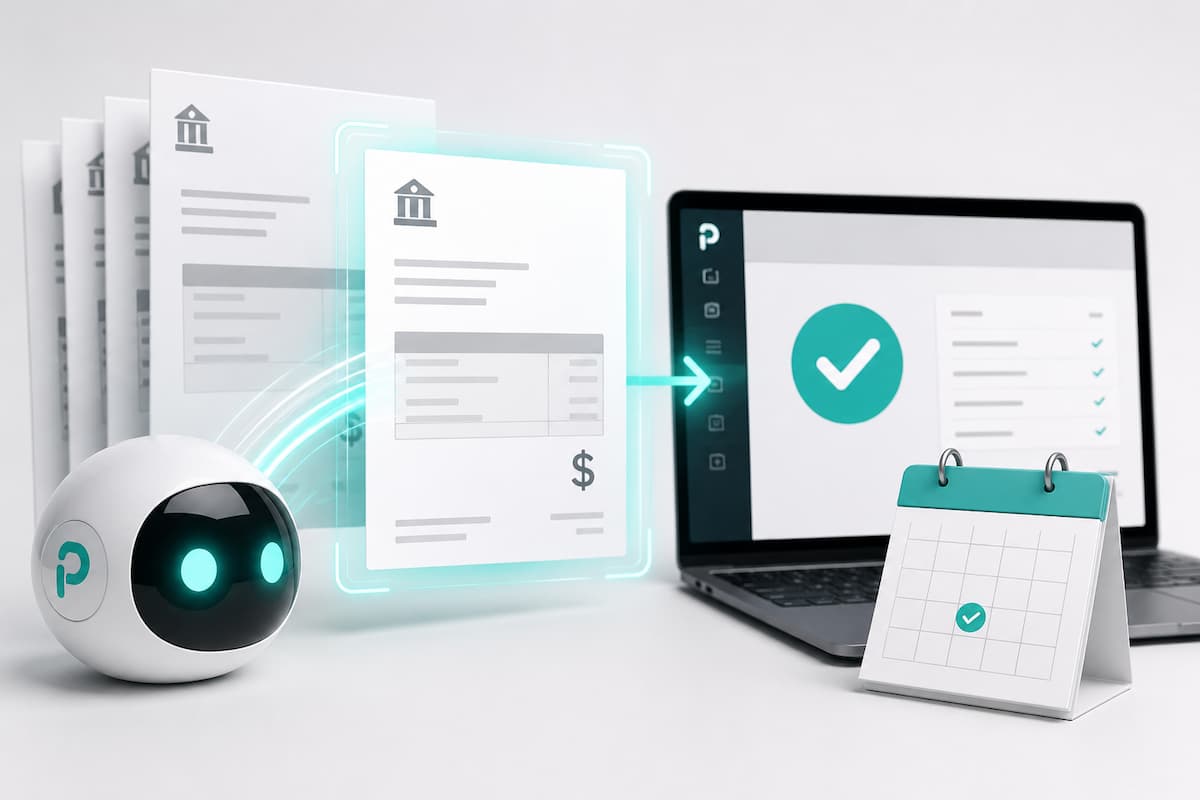
Payhawk Agent Fetch Targets Two-Day Invoice Retrieval
Payhawk's Agent Fetch autonomously retrieves vendor invoices, cutting average time from 24 days to two. The beta success rate of 68.6% signals progress but leaves room for human fallback.

Macro7d ago
India's Japan-worker pipeline hits language bottleneck
India's Japanese-language learner base jumped 47% in three years to nearly 53,000. The teaching pool grew only 13.5%. The gap threatens a 50,000-worker employment corridor.
Crypto7d ago
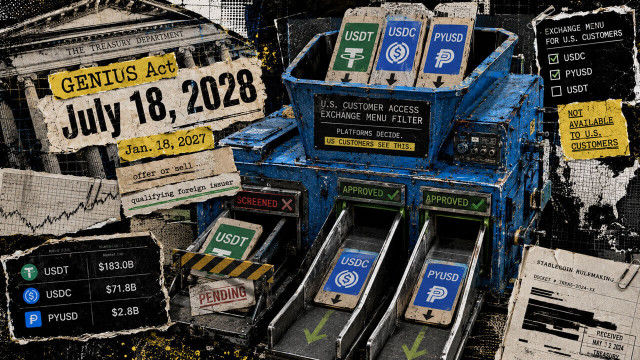
Offshore stablecoins face US access deadline under Treasury rules
Treasury's GENIUS Act proposal sets a July 2028 deadline for offshore stablecoins to be sold on US exchanges. Tether's USDT faces the biggest test as exchanges weigh liquidity against compliance.
Macro7d ago
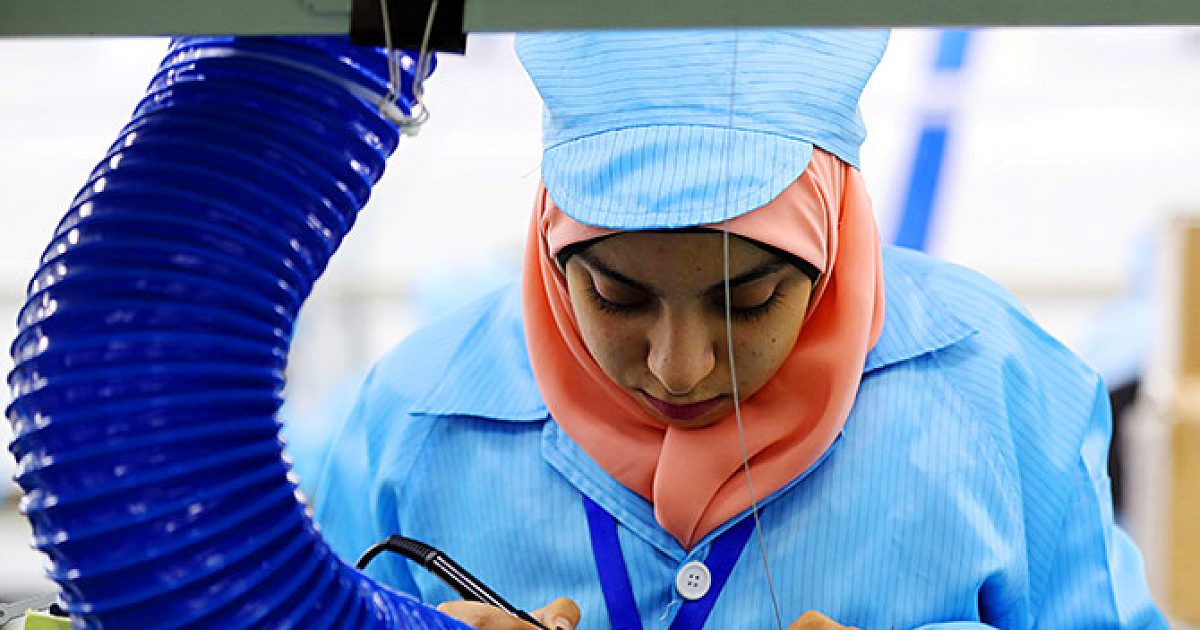
India's Rs 62,500 Crore Phone Scheme Targets Local Brand Push
India's Rs 62,500 crore mobile phone scheme ties incentives to year-on-year growth of at least Rs 5,000 crore. Three Indian players are in talks to launch a local brand within 18 months.
Recently Updated
AAPL
319.64+1.61%
MSFT
513.67+1.70%
NVDA
217.54-4.58%
AMZN
266.38+3.95%
GOOGL
346.47+1.71%
META
578.02+1.21%
TSLA
348.76-1.71%
JPM
357.51+0.93%
Quick Stats