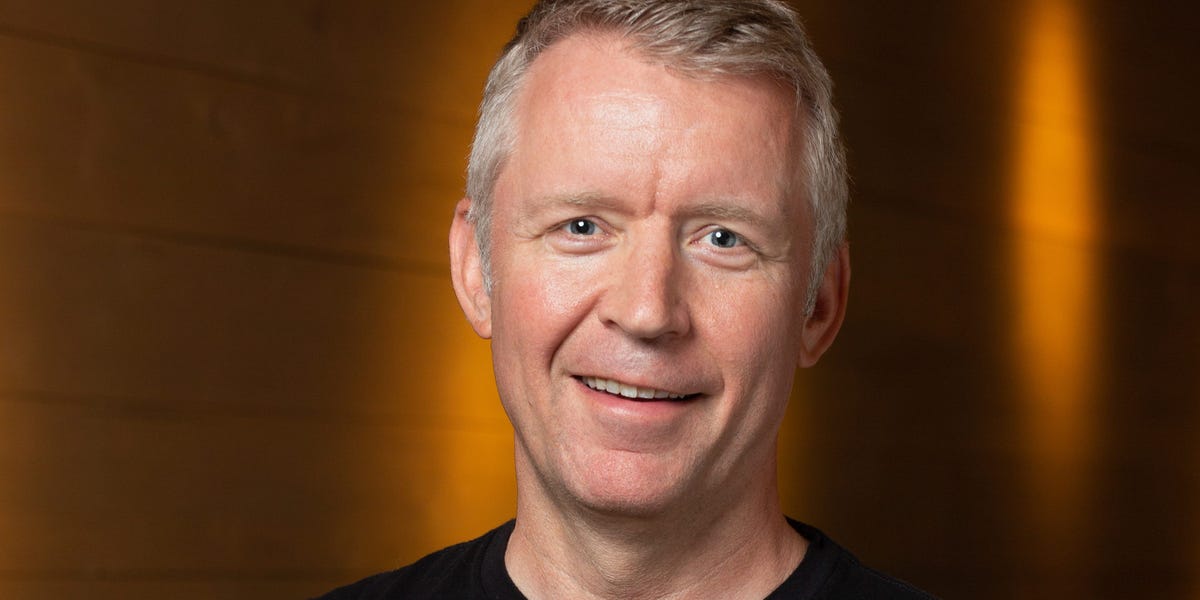
Robin Thurston rides 7,000 to 10,000 miles a year. He drinks ketones, tracks sleep with an Oura ring and a Garmin watch, and tells his 400 employees to take meetings on walks instead of Zoom. As the founder and CEO of Outside Interactive, the parent company of Outside Magazine, Velo, Gaia GPS and Inntopia, Thurston's personal habits are a window into the demographic his company serves – and a signal for the hardware makers that cater to it.
Outside Interactive was founded in 2019 after Thurston sold MapMyFitness to Under Armour and later held leadership roles there and at Helix. The company now owns a portfolio of media and tech properties that reach outdoor enthusiasts: cyclists, hikers, skiers, runners. Gaia GPS, a mapping app for backcountry travel, competes directly with Garmin's Explore line and inReach devices. Yet Thurston himself uses a Garmin wearable to track his activity, alongside the Oura ring.
The read-through for Garmin is straightforward. Thurston's company is investing in the same consumer shift he embodies: more time outdoors, less time on screens. "Screen time is taking over," he said in a recent interview. "Never in human history have we spent as much time indoors as we do today." That message, amplified across Outside's media properties, reinforces the value proposition of fitness wearables and GPS devices. Garmin's Alpha Score stands at 61 out of 100, labeled Moderate, in the Technology sector.
Thurston's work-from-home routine is built around outdoor activity. About three days a week he rides for 90 minutes to two hours, often between 8 a.m. and noon. On weekends he logs three to four hours on Saturday and two to three on Sunday. In winter he switches to indoor Zwift rides, short hikes, or skiing at Eldora Mountain. He travels 75 days a year and brings his bike, skis or golf clubs on 60-70% of flights, using a case that lets him assemble the bike in 10 minutes. The habit is expensive and inconvenient, but he prefers it to renting.
For Garmin, the key metric is consistency. Thurston tracks everything through Oura and Garmin, and says understanding those patterns has been valuable. He gets about six and a half to seven hours of sleep a night, uses a sauna and cold plunge, and emphasizes that "the No. 1 thing for me is consistency in activity." That focus on data-driven fitness is exactly the use case Garmin's Fenix and Forerunner lines are built for.
Outside Interactive's strategy also leans on technology to get people outside. Gaia GPS provides offline maps for remote areas, competing with Garmin's inReach and Explore platforms. Inntopia is a booking engine for outdoor lodges and tours. The company's media arm runs events like Outside Days. Thurston said he encourages walking meetings and limits video calls, which he finds exhausting if done for eight to nine hours a day.
The broader outdoor fitness sector has been resilient. Garmin reported revenue of $5.9 billion in 2024, up 17% from the prior year, driven by its fitness segment. The company's wearable market share has held steady against Apple and Fitbit. If the trend Thurston describes – more time outdoors, less screen time – continues, Garmin stands to benefit from both hardware sales and the ecosystem of mapping and tracking services.
Thurston's own gear choices are instructive. He uses an Eight Sleep mattress cover for temperature regulation, multiple AirTags to track his bike when flying, and a Garmin watch alongside the Oura ring. He said he would bring the Eight Sleep cover on the road if he could. The mix of devices shows that even a CEO who runs an outdoor media company relies on a stack of tracking tools – a dynamic that favors companies like Garmin that offer integrated hardware and software.
Outside Interactive is private, so its financial impact on Garmin is indirect. But the company's reach – 400 employees, millions of readers and app users – shapes the narrative around outdoor activity. Every article Outside Magazine publishes about the benefits of hiking or cycling reinforces the demand for GPS watches and fitness trackers. Thurston's own routine, from morning ketones to evening meditation music, is a case study in the lifestyle Garmin sells.
Garmin's Alpha Score of 61 reflects a moderate outlook. The company's valuation is supported by steady revenue growth and a loyal customer base. The risk is competition from Apple and Samsung, which have added outdoor features to their watches. But Garmin's focus on battery life and dedicated outdoor navigation gives it an edge with the kind of users Thurston represents – people who ride 10,000 miles a year and bring their bike on flights.
"I track everything through Oura and Garmin," Thurston said. "Understanding those patterns has been really valuable."