Commodities● Neutral
Why Oil's 4% Drop May Strip the Hormuz Risk Premium
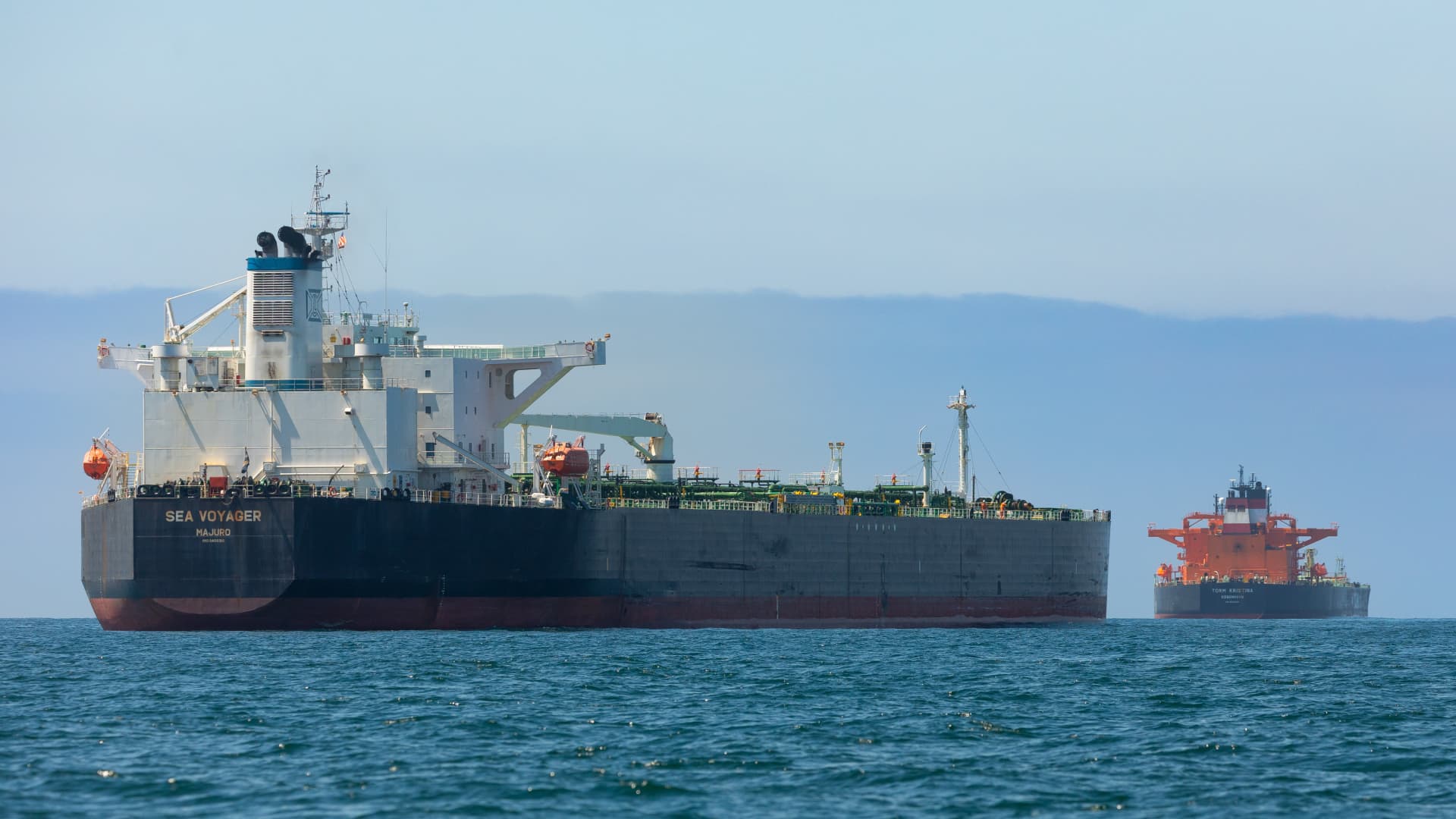
WTI crashed to $92 and Brent to $99 after Trump's Hormuz progress claim. A formal deal could test $90 WTI, but stalled talks risk a snap-back. Demand softness is the next focus.
Continue with
Crude oil prices fell more than 4% on Sunday after President Donald Trump said negotiations with Iran to reopen the Strait of Hormuz are proceeding in a “constructive manner.” West Texas Intermediate futures dropped nearly 5% to $92.05 per barrel by 6:40 p.m. ET. Brent crude slid almost 5% to $98.88 per barrel. Trump also posted Saturday that an agreement was largely negotiated and would be announced soon.
The move is a headline-driven unwind of the supply-risk premium that had built over weeks of escalating Iran tensions. The speed of the reaction – nearly 5% in one session – signals that positioning was stretched. Prior to Sunday, the market had ignored softening demand data: U.S. inventory builds and weaker economic readings from China. The new tone from Washington allows crude to refocus on physical fundamentals.
Why Hormuz Progress Unravels the Premium
The Strait of Hormuz handles roughly one-fifth of global oil transit. Any credible diplomatic progress directly lowers the probability of a multi-million barrel per day supply disruption. The risk premium embedded in crude before Sunday had compensated for that tail risk. Trump’s language – “orderly and constructive,” not rushing a deal – suggests a formal agreement is closer than many had priced.
A swift deal would remove the geopolitical bid entirely. The market would then price oil against the softer demand backdrop: OPEC+ is adding supply monthly, and non-OPEC output from the U.S., Brazil, and Guyana is rising. If the premium fully dissipates, WTI could test the OPEC+ comfort floor near $85. That level is where Saudi Arabia has signaled discomfort, making it a potential support.