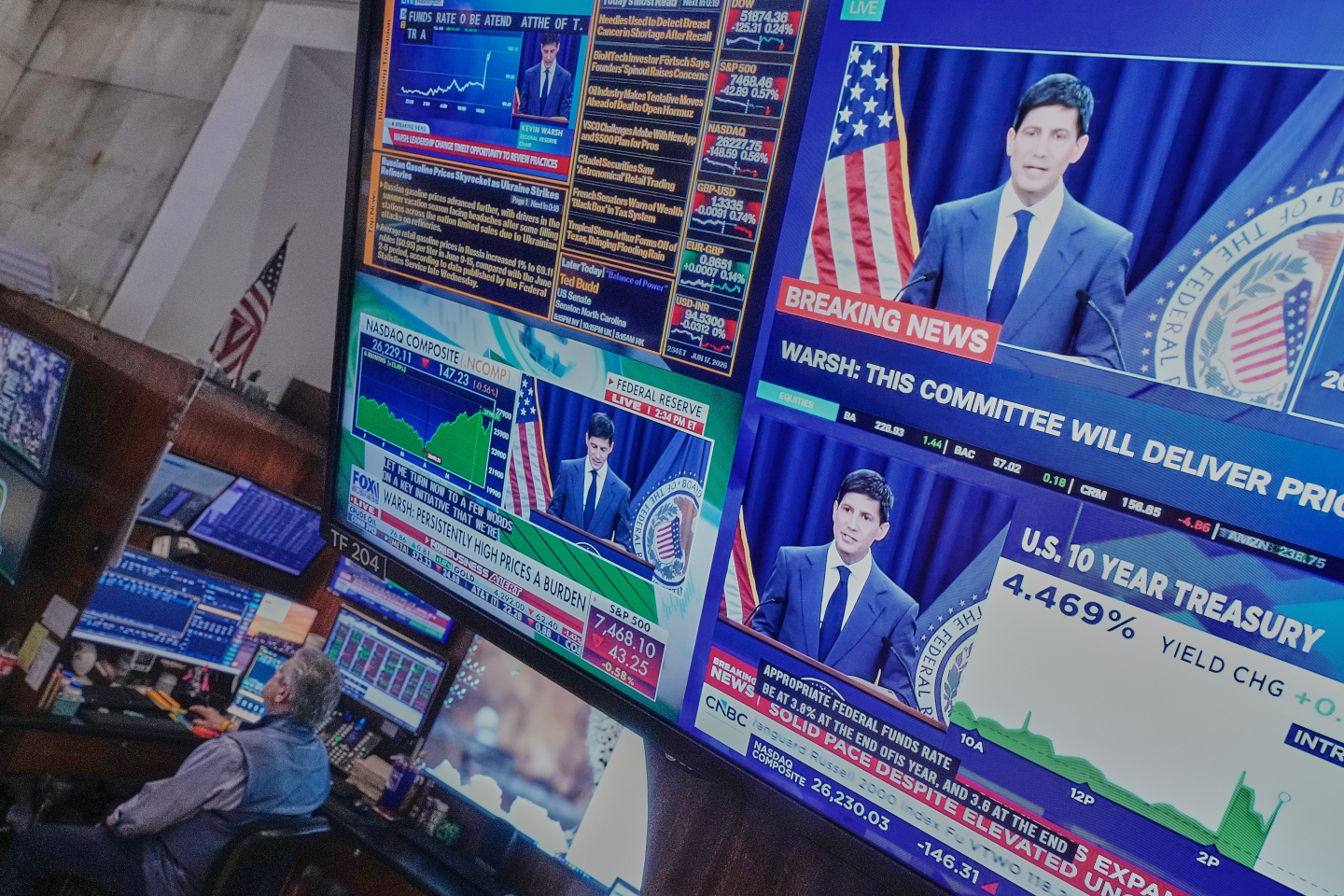
Oil prices are down. The 2-year yield is up. The breakdown between inflation expectations and Fed rate expectations creates a concrete trading divergence ahead of the next CPI print.
Oil prices have dropped sharply since the Eastern Europe ceasefire took hold. The 10-year breakeven rate – a market-based measure of inflation expectations – fell 15 basis points in two weeks. Two-year Treasury yields went the other way, climbing 10 bps over the same stretch.
That divergence breaks a correlation that held for most of this year. When crude surged after the invasion, bond yields rose in tandem as traders priced in higher inflation. Now the war risk premium is fading from WTI, which gave back nearly all its post-invasion gains. Short-term yields refuse to follow.
The driver appears to be the Fed. The 2-year note is the most sensitive point on the curve to the central bank's rate path. Strong payroll prints and hawkish comments from Fed speakers have pushed traders to push back the first rate cut from late this year to early next. That repricing lifts the front end regardless of what inflation expectations do on the long end.
Crude's slide, by contrast, feeds directly into near-term CPI expectations. Gasoline prices at the pump have dropped for seven consecutive weeks. The direct pass-through to headline inflation is clear. Core inflation – services, rent, wages – is what the Fed focuses on, and that data has not softened enough to open the door for an earlier pause. The bond market delivers a split signal: the long end acknowledges that the commodity shock is reversing, while the front end says the fight against inflation is not over.
The practical question is whether this gap can persist. If oil keeps falling, it will eventually drag down manufacturing costs, shipping rates, and input prices across the board. That should eventually put downward pressure on the entire yield curve. If economic activity stays resilient, the Fed will have to keep hiking well after the oil-driven disinflation fades. The 2-year will keep climbing.
The next CPI print will clarify which force has the stronger hand. A downside surprise validates the long end's inflation view and likely steepens the curve. A hot print confirms the front end's suspicion that the base rate of inflation is still too high for the Fed to stop. Either way, the correlation breakdown is the story for anyone trading the overlap between rates and commodities.
Prepared with AlphaScala research tooling and grounded in primary market data: live prices, fundamentals, SEC filings, hedge-fund holdings, and insider activity. Each story is checked against AlphaScala publishing rules before release. Educational coverage, not personalized advice.