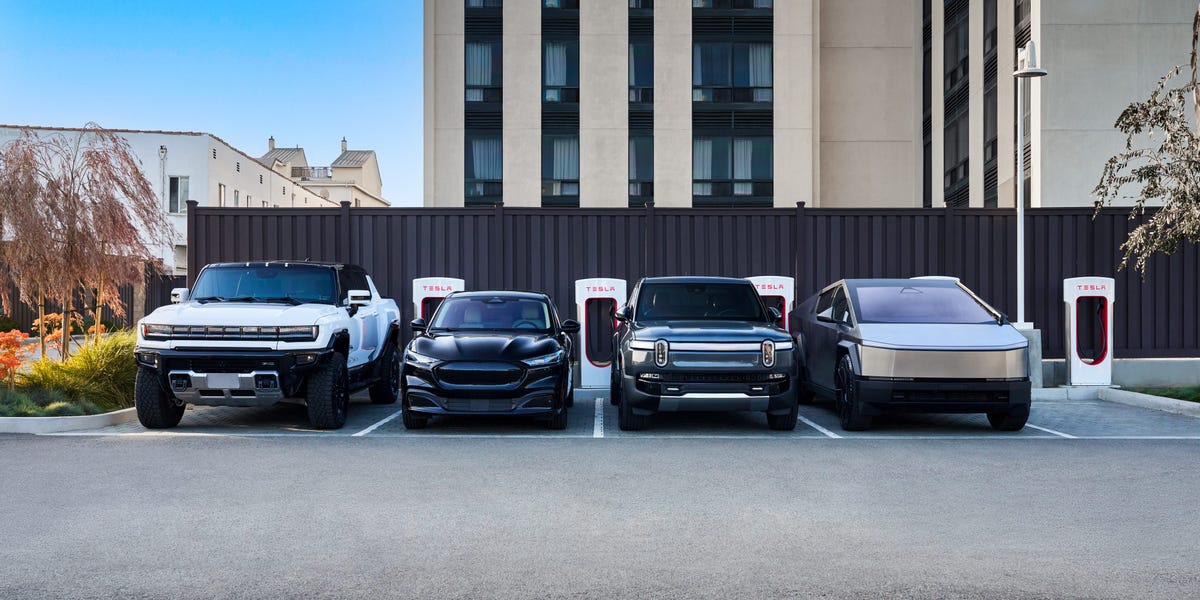
Tesla's charging division announced a pilot program Monday that introduces a digital waitlist at five Supercharger locations. The move targets a persistent friction point: the informal, often chaotic queueing that emerges when EV drivers arrive at a full station. Instead of relying on parking-lot etiquette, drivers will now join a virtual line, with the system determining who plugs in next.
The announcement, made via a post on X, signals that Tesla sees charging-station throughput as a strategic variable, not just a customer-service detail. For a company whose Supercharger network is both a revenue stream and a competitive moat, reducing wait times can directly influence vehicle purchase decisions and charging revenue per stall.
The Pilot: Five Locations, One Queue
The pilot covers five sites, though Tesla did not disclose which locations. The digital waitlist will likely integrate with the Tesla app or in-vehicle interface, allowing drivers to see their position and estimated wait. This replaces the ad-hoc system where drivers must visually track who arrived when, often leading to confusion and conflict during peak hours.
The mechanism matters. A digital queue can optimize station turnover by minimizing the dead time between a vehicle departing and the next one plugging in. It also reduces the social friction that can deter drivers from using busy stations, potentially improving the overall user experience and encouraging more frequent long-distance travel.
Why Charging Wait Times Matter for Tesla's Moat
The naive read is that Tesla is fixing a minor annoyance. The better market read is that wait times are a throughput problem with direct implications for the economics of the Supercharger network. Tesla has opened its charging standard to other automakers, and non-Tesla EVs are increasingly using Superchargers. That expands the addressable market for charging fees; however, it also raises the risk of congestion at popular stations. A digital waitlist is a software-based solution to a physical capacity constraint, and if it works, it could increase the effective utilization of each stall without requiring costly hardware upgrades.
For Tesla's stock, the Supercharger network is a tangible asset that supports vehicle sales. Buyers often cite charging infrastructure as a key factor in choosing Tesla over competitors. Any improvement that makes the charging experience more predictable strengthens that advantage. Moreover, as Tesla grows its energy and services revenue, charging fees become a more meaningful line item. Higher throughput per stall translates directly to higher revenue per installed asset. This comes at a time when vehicle delivery growth is moderating, making services revenue a more important part of the margin story.
Next Decision Point: Scaling and Throughput Data
The pilot's small scale means the immediate financial impact is negligible. The real catalyst will be data. If Tesla reports that the digital waitlist reduces average wait times or increases daily charging sessions per stall, it could justify a broader rollout. That would signal that Tesla can extract more value from its existing network without proportional capital expenditure.
The next concrete marker is whether Tesla expands the pilot beyond five locations and shares any metrics on wait-time reduction. A successful deployment would reinforce the narrative that Tesla's software integration–spanning vehicles, app, and charging infrastructure–creates a user experience that competitors cannot easily replicate. For traders tracking Tesla's stock market analysis, the pilot is a small but telling signal that the company is sweating its physical assets with software, a pattern that has worked in its vehicles and could now extend to its charging network.