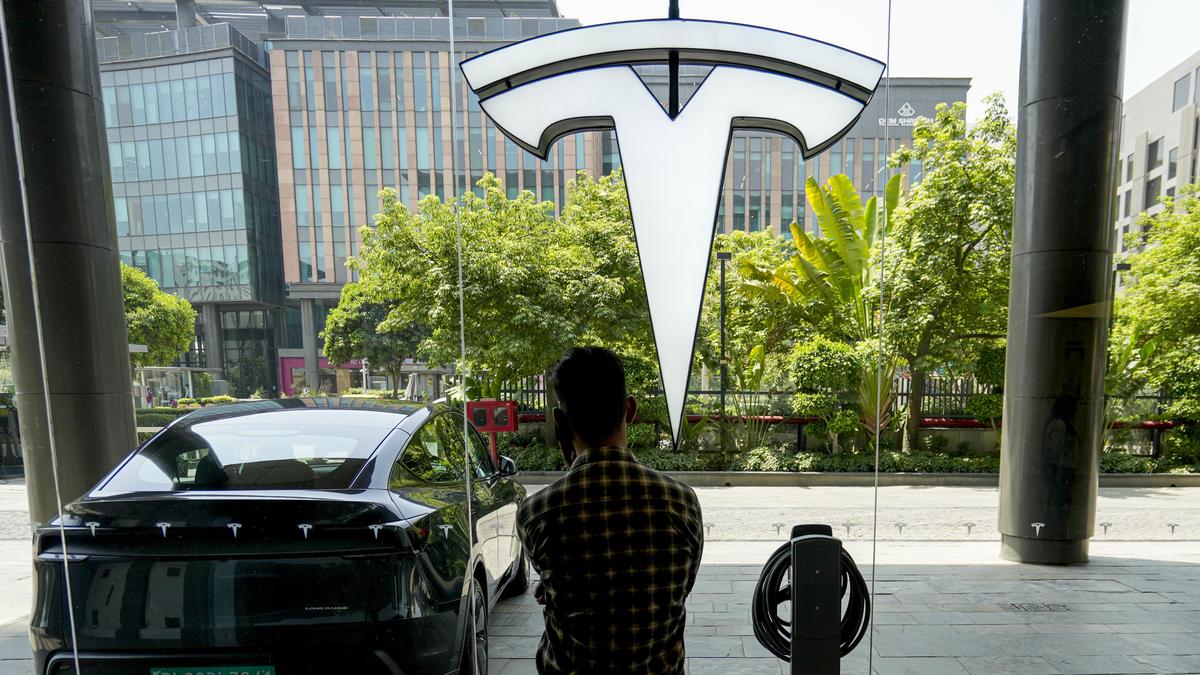
Tesla announced plans on April 24, 2026, to deploy a comprehensive supercharging network across major urban hubs in India. This strategic move aims to address the primary barrier to electric vehicle adoption in the region by establishing a reliable charging ecosystem. By prioritizing infrastructure in high-density metropolitan areas, the company seeks to standardize the charging experience for prospective owners and facilitate long-distance travel capabilities.
Infrastructure as a Competitive Moat
The decision to prioritize charging infrastructure reflects a shift in how the company approaches emerging markets. Rather than relying on third-party networks, the firm is leveraging its proprietary supercharging technology to maintain control over the user experience. This vertical integration strategy has historically served as a significant differentiator in North American and European markets. In the context of the Indian automotive sector, the rollout of these stations serves as a prerequisite for broader vehicle distribution and brand penetration.
This expansion effort is critical for the company as it navigates a complex global landscape. Current market data shows TSLA holding an Alpha Score of 33/100, categorized as Weak, with the stock trading at $373.72 following a 3.56% decline. The ability to successfully scale infrastructure in a developing market like India may provide a necessary catalyst for long-term growth as the company manages its broader stock market analysis objectives.
Strategic Read-Through for the EV Ecosystem
The commitment to Indian infrastructure signals a broader intent to capture market share in one of the world's largest automotive markets. The success of this rollout will likely depend on the company's ability to navigate local regulatory frameworks and power grid integration. Other participants in the technology and semiconductor space, such as those tracked on the ON stock page, will be monitoring the demand for power management components required to support such a large-scale charging deployment.
- Deployment of proprietary superchargers in major Indian metropolitan hubs.
- Focus on enhancing the end-to-end customer experience to drive EV adoption.
- Integration of charging infrastructure as a foundation for future vehicle sales.
As the company moves forward, the primary marker for progress will be the pace of site acquisition and the operational status of the first wave of stations. Investors should monitor subsequent filings for details on capital expenditure allocations specifically earmarked for the Indian market. The speed at which these stations become grid-connected will serve as a key indicator of the company's operational efficiency in the region. This development follows broader trends in the intersection of aging infrastructure and AI integration, where physical deployment is increasingly paired with digital management tools to optimize energy distribution.