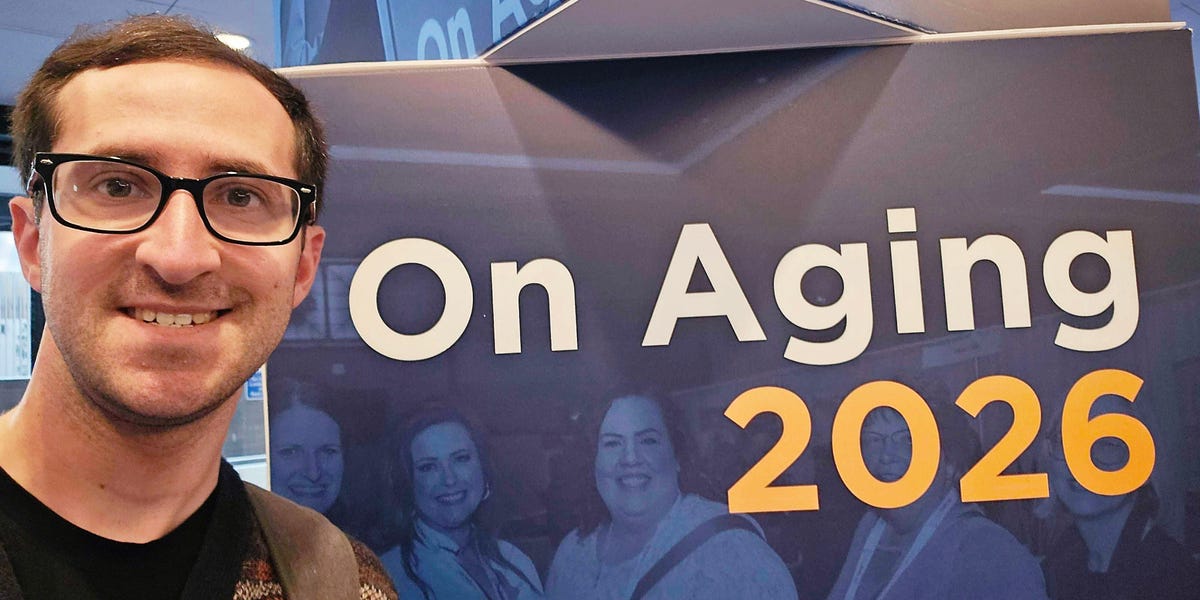
The recent discourse at the largest U.S. conference on aging has shifted the narrative from traditional geriatric care toward the rapid integration of artificial intelligence and automated systems. Discussions centered on the viability of virtual reality companions and AI-powered robotics as solutions to the deepening caregiving crisis. This pivot reflects a broader structural change in how the healthcare sector approaches long-term support for an aging population, moving away from purely human-centric models toward technology-assisted environments.
Technological Substitution in Caregiving
The central tension identified at the conference involves the transition from human-led care to automated support. Questions regarding the efficacy of VR headsets as social companions and the deployment of robotics for physical assistance highlight a shift in capital allocation within the healthcare and technology sectors. If these tools successfully mitigate the labor shortage in nursing facilities, the operational model for care providers will likely undergo a fundamental restructuring. The primary hurdle remains the integration of these systems into existing insurance and government reimbursement frameworks, which currently lack the mechanisms to account for non-human care providers.
Financial and Structural Barriers to Adoption
The viability of these technologies depends on the alignment of public policy with private sector innovation. Social Security and Medicare systems are currently optimized for traditional care delivery, creating a friction point for companies attempting to scale AI-based solutions. Investors are now forced to evaluate whether the cost savings from automation will be offset by the regulatory burden of qualifying these tools for public funding. This creates a binary outcome for firms in the space, where success is contingent on legislative recognition of AI as a legitimate component of medical and social support.
AlphaScala Market Context
Market participants are currently evaluating how technology firms and healthcare providers navigate these demographic shifts. Our current data reflects a mixed outlook across several sectors, with ON Semiconductor Corporation holding an Alpha Score of 45/100, Southern Company at 44/100, and Amer Sports, Inc. at 47/100. These scores suggest that while the underlying sectors of technology and consumer cyclicals remain active, the market has yet to fully price in the long-term impact of demographic-driven demand for specialized AI hardware and consumer-facing health products. For further analysis on how firms are managing these shifts, see our stock market analysis or our recent report on Corporate AI Adoption Shifts to Performance Metrics and Token Usage.
Next Markers for Sector Development
The next concrete marker for this narrative will be the release of updated federal guidelines regarding the reimbursement of assistive technologies in long-term care settings. Any shift in policy that explicitly includes AI-driven robotics or digital companionship in coverage plans will serve as a primary catalyst for capital expenditure in the sector. Until such clarity emerges, the industry will likely remain in a pilot phase, characterized by limited deployments and ongoing testing of the efficacy of these tools in real-world nursing environments. Monitoring the ON stock page may provide insight into how hardware providers are positioning their components for the growing robotics market.