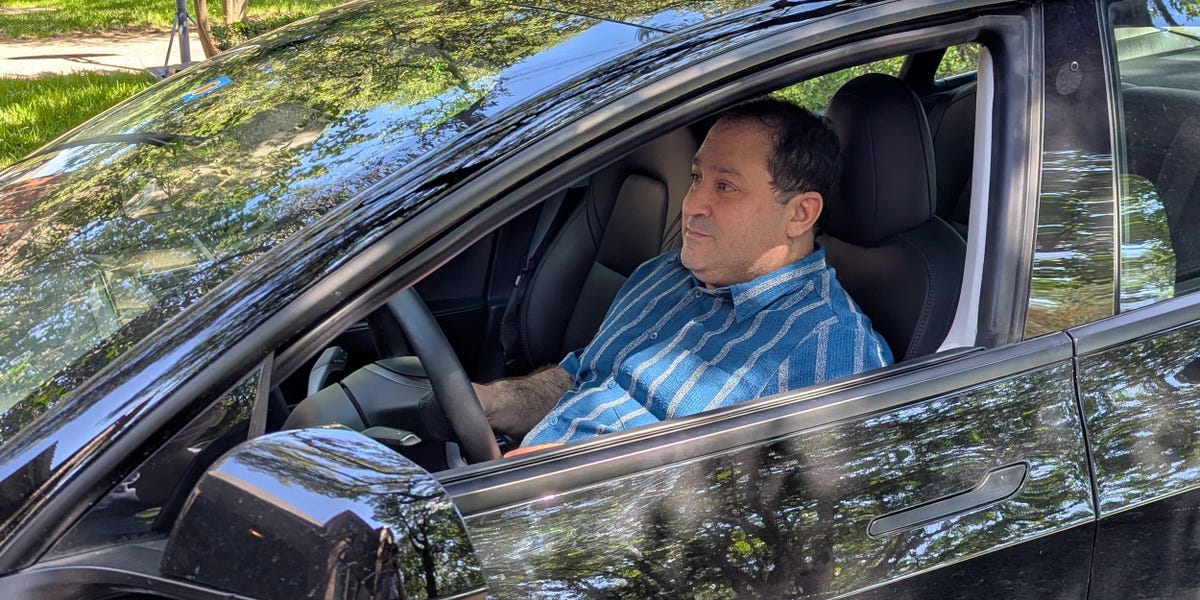
A technology executive won a lawsuit against Tesla over the company's Full Self-Driving (FSD) marketing claims. The verdict marks the first contested court win for a customer arguing that Tesla's promises of fully autonomous driving were deceptive. The case is small in dollar terms. Its precedent is large. If the ruling holds, it supplies a legal template for thousands of other owners who paid thousands of dollars for a capability that remains partially unfulfilled.
Why This Ruling Pressures TSLA Shares
TSLA carries a valuation heavily dependent on future autonomy revenue, including robotaxi services. Every legal or regulatory setback chips at that narrative. The FSD false-advertising verdict does not move the stock on its own. It adds to a growing list of headwinds: NHTSA investigations, fading customer confidence, and potential SEC scrutiny of Tesla's self-driving claims. The court's finding that Tesla's statements were false advertising directly challenges the premium the company commands over competitors.
Tesla collected billions from owners who paid an FSD option price now above $12,000 per vehicle in the United States. Executives including Elon Musk repeatedly promised the system would reach Level 5 autonomy. That promise never materialized. The winning plaintiff argued that those statements were deceptive. The court agreed. The risk for Tesla is not just damages from this single case. It is the cost of defending a wave of similar claims and the reputational damage each new filing brings.
The Next Catalyst: Tesla's Response and Legal Reserves
Tesla can appeal the verdict, settle quickly, or modify its FSD marketing language. Each option carries a trade-off. An appeal prolongs uncertainty. A retreat from the full-autonomy promise would undermine the valuation story. The SEC has shown interest in Tesla's self-driving claims in the past. A verified false-advertising judgment could trigger a new inquiry.
The first concrete signal will come from Tesla's next conference call or SEC filing. If management discloses a material increase in customer refund requests or legal reserves, the market will treat that as a negative signal. The absence of a mention may imply the company believes the ruling is an outlier. Either way, the case creates a tangible legal risk that did not exist before. Investors tracking TSLA should also monitor broker commentary for positioning changes.
For the broader technology sector, the verdict is a reminder that aggressive marketing of future capabilities carries real liability when the product fails to match the promise. Companies selling hardware with a software upgrade path will watch how Tesla responds. The same argument could apply to any firm that sells a feature today and delivers it years later – or not at all.