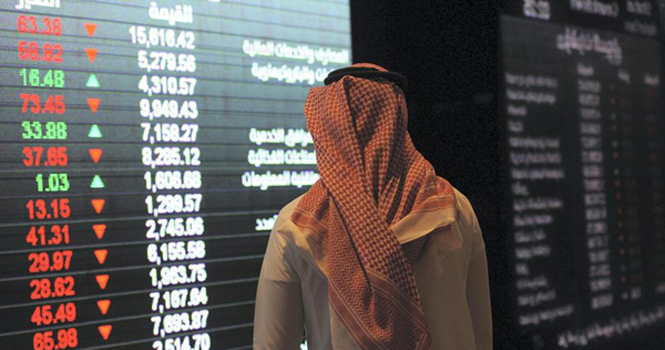
Tasheel shares closed at their lowest level since listing on the Tadawul All Share Index (TASI) on June 2. The decline pushed the stock to a new all-time low, according to data compiled by Argaam. The move arrives without a specific corporate filing or guidance update, placing the burden of explanation on sector mechanics and liquidity patterns.
Why the Saudi Market Context Matters Now
The TASI has been under selective pressure in recent sessions, with smaller-cap names facing disproportionate selling relative to the index's heavyweight sectors. Tasheel, which operates in the human resources and labor services space, is sensitive to both regulatory shifts in Saudi Arabia's Nitaqat program and the pace of private-sector hiring. When the stock falls to a record low without a direct negative catalyst, the likely drivers are positioning adjustments – either index-related rebalancing or institutional rotation out of low-liquidity names.
The simple read is that the stock is cheap at an all-time low. The better market read is that an all-time low in a thin name often signals that liquidity demand exceeds supply, and the marginal seller is a distressed or forced seller. Without a volume spike or insider buying data, the path of least resistance remains lower until a catalyst – a contract win, a regulatory change, or a buyback – breaks the pattern.
Tasheel's Valuation and the Nitaqat Link
Tasheel's business model is tied directly to the Ministry of Human Resources and Social Development's Saudization requirements. Any change in compliance thresholds or fee structures can swing revenue materially. The all-time low suggests the market is pricing in either slower hiring growth or expectations of tighter regulatory costs. Valuation compression in this name has historically been a slow bleed, not a sudden rerating, which makes the record low a watchlist event rather than an immediate entry signal.
Investors tracking the stock should look at the next monthly labor market data from Saudi Arabia and any updates to the Nitaqat program's target tiers. If hiring demand softens, Tasheel's revenue visibility shrinks. If the government loosens compliance deadlines, the stock could recover rapidly on a short-squeeze-like move.
The Decision Point This Record Low Creates
For a trader, an all-time low in isolation is not a buy signal. The question is whether the drop has exhausted sell orders or whether a secondary block trade or index exclusion is pending. TASI-listed small caps often gap lower on index reconstitution dates if they fall below the liquidity threshold. The next index review window is the immediate risk event for holders.
The practical path is to watch volume and bid-ask spread in Tasheel's shares. If spreads widen without a matching sell-off, liquidity is drying up, and the stock becomes execution-risky. If spreads tighten and volume normalizes, the record low may mark a base. Absent either signal, the stock is a pass for most active strategies.
For more on how sector trends affect Saudi equities, see our stock market analysis.
For a broader view of TASI-listed companies and their profiles, visit the Apple (AAPL) profile as a reference for how we track single-stock catalysts.
For broker selection in Saudi markets, review our guide on the best stock brokers.