Varun, Parag ride India's milk drink boom with 40%+ growth
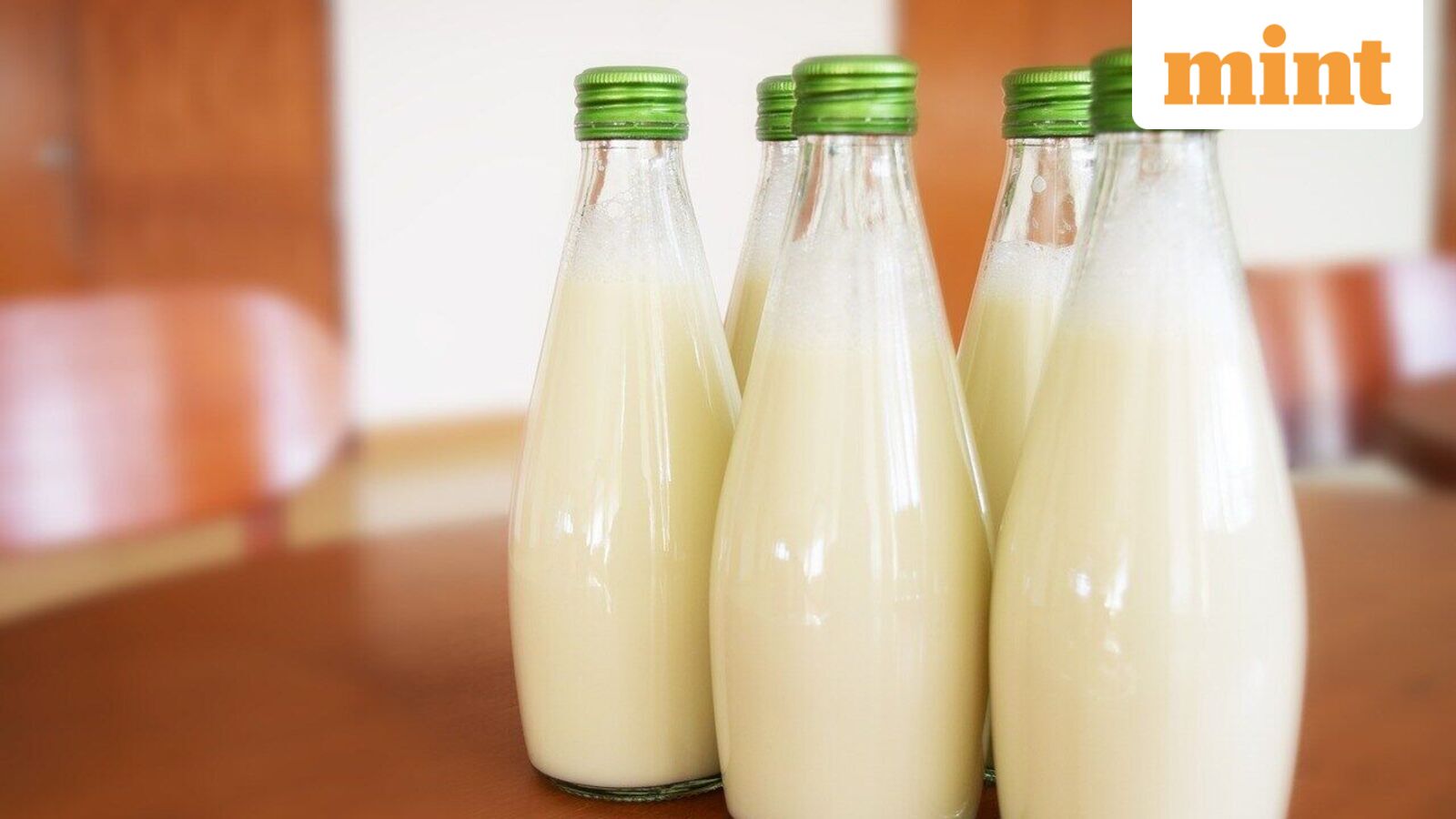
India's flavoured milk market hit ₹7,600 crore in 2025. Varun Beverages dairy grows >40%, Parag's Avvatar up 59%. Companies race to convert homemade drinks to packaged.
Consumer goods companies in India are pushing into milk-based drinks, a segment growing faster than the broader beverage market. Varun Beverages, PepsiCo’s largest bottler outside the U.S., reported dairy sales climbing more than 40% a year. The category expands at three to four times the pace of the rest of the business, executive vice-chairman Varun Jaipuria said on the company’s June-quarter earnings call. Varun Beverages posted a 20.8% revenue rise to ₹8,650.6 crore and a 15.1% net profit increase to ₹1,525.4 crore.
Parag Milk Foods is also capitalizing. Its New Age Business, which includes the Avvatar protein brand and premium dairy label Pride of Cows, reported ₹118 crore in June-quarter revenue, up 59% from a year earlier. That segment now accounts for about 13% of quarterly sales. Executive director Akshali Shah told Mint that ready-to-drink protein products target different consumer behavior than powders. “Protein powder and ready-to-consume formats address different consumption occasions,” she said.
The broader market for flavoured milk drinks in India reached ₹7,600 crore in 2025, up from ₹4,420 crore in 2021, according to Euromonitor. The research firm projects it will hit ₹8,360 crore in 2026. Strategy firm Redseer estimates value-added dairy is growing at roughly 20% a year, outpacing the overall ready-to-drink beverage market, which expands at an 18% compound annual rate.
Several consumer goods companies have launched new products in the past two months. Hindustan Unilever rolled out Horlicks Milkshake in June, taking one of India’s best-known nutrition brands into the ready-to-drink aisle. Zydus Wellness launched Complan Powerplay, a ready-to-drink protein milkshake, and expanded its Max Protein range. In July, Varun Beverages partnered with Japan’s Asahi Group to introduce fermented milk drink Calpis in India.
“Consumers want nutrition to fit into their routines rather than requiring them to create a routine around nutrition,” Zydus Wellness CEO Tarun Arora told Mint. “The barrier is increasingly not awareness or belief; it is friction.”
The opportunity extends beyond urban protein buyers. Packaged dairy beverages have low household penetration, leaving room for companies to convert consumption of homemade buttermilk, lassi and other drinks into branded formats. Heritage Foods CEO Srideep Kesavan told Mint that volumes of buttermilk and lassi rose more than 50%–60% during the summer. “What is changing rapidly is the migration from homemade to packaged formats, driven by convenience, affordability, consistent quality and differentiated propositions such as probiotics and high protein,” he said.
Dairy drinks also offer better margins than liquid milk. Heritage estimates such beverages can generate Ebitda margins 4 to 5 percentage points higher than regular milk. Milky Mist said value-added dairy products can produce margins of 15%–40%, compared with 5%–8% for liquid milk.
Scaling the category comes with challenges. Milk-based drinks require a more complex supply chain spanning milk sourcing, processing, shelf life and, for many products, cold-chain distribution. Companies also compete for limited space in crowded retail chillers. Ravi Kapoor, partner and leader for retail and consumer at PwC India, said the growth opportunity depends on consumer demand and on how effectively companies solve these operational hurdles. Longer shelf life and ambient-stable products could reduce dependence on cold-chain infrastructure and expand reach beyond large cities.
Redseer’s August report noted that value-added dairy has a stronger presence online than in traditional retail. Online sales of non-alcoholic ready-to-drink beverages were projected to reach ₹5,000 crore in 2025.
Unilever PLC (UL), parent of Hindustan Unilever, carries an Alpha Score of 56 out of 100, reflecting a moderate position in the consumer staples sector. The stock page is available at AlphaScala’s UL stock page.
Drafted by a large language model from the source reporting linked above, then screened by automated publishing checks. It is not read by a journalist before publication. Some articles cite our Alpha Score. Verify prices and figures against the original source. Educational coverage, not personalized advice.