Apple slides 6% on Mac, iPad price hikes as memory costs bite
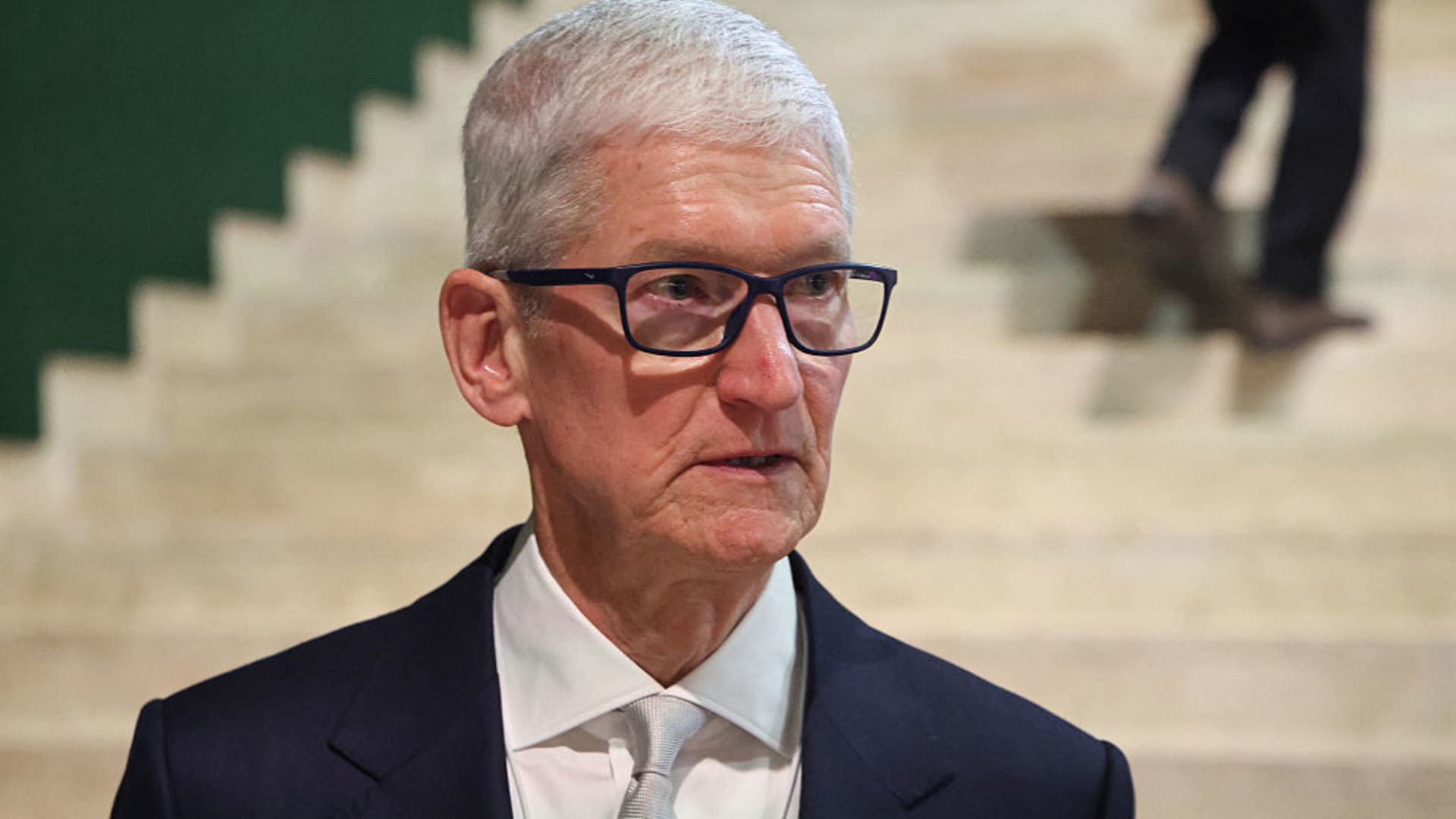
Apple's 6% slide reflects fear that higher Mac and iPad prices will hit demand. But the company's scale, profit margins, and memory supply deals give it a cushion rivals lack. Plus, a Gemini-powered Siri is coming.
Apple took its worst single-day hit in over a year Thursday, dropping 6.11% to $275.18 after management announced price increases on MacBooks, iPads, and home devices that ran well above what analysts expected.
The move was the company's first direct pass-through of rising memory costs since outgoing CEO Tim Cook warned last week that higher prices were unavoidable. The increases ranged from 17% to 25% across the product line. The MacBook Air 512GB now costs $1,299, up from $1,099. The iPad Air 128GB jumped to $749 from $599. The MacBook Neo base price went to $699 from $599.
"It looks like this is a very broad price increase," D.A. Davidson's Gil Luria said. He described the hikes as substantial and "beyond the increased cost of memory."
The stock's decline reflected concern that higher prices would hit demand. Jeff Marks, director of portfolio analysis at the CNBC Investing Club, said the market is "worried about the potential demand destruction that could come as a result of these higher prices."
Why Apple Has an Edge on Memory Costs
The price hikes stem from a supply shift that predates the quarterly earnings cycle. Hyperscalers are consuming data-center-grade memory and storage for AI workloads, squeezing supply for consumer electronics. Prices for memory and storage have quadrupled over the past three quarters, according to Counterpoint Research.
Apple's size gives it leverage that rivals lack. The company locks in long-term memory contracts before spot prices spike, and suppliers like TSMC prioritize its predictable annual hardware cycles over smaller customers with erratic orders. "I would think their peers would need to raise prices as well, probably even more than Apple because they just don't have the bargaining power to negotiate input prices as Apple has," Marks said.
Luria agreed, adding that it is "hard to see how that wouldn't impact demand somewhat." But Apple's profit margins and supply-chain relationships give it a cushion that most peers do not have.
The broader tech market felt the pressure. Microsoft fell 3.61% on Thursday after announcing its own price increases on Xbox consoles, also citing higher memory costs. Micron, the memory supplier, surged 15.8% after reporting a monster quarter and warning that tight conditions could persist beyond 2027.
The AI Side of the Story
Apple's own AI roadmap has improved after a lackluster 2025. The company struck a multiyear partnership with Alphabet in January to use Google's Gemini for its artificial intelligence features. At its June developers conference, Apple showed a more conversational Siri powered by Gemini, set for release later this year. That could give the next iPhone upgrade cycle a fresh selling point after strong iPhone 17 sales.
"This is a great opportunity to realize that they happen to get the premier AI by dealing with Gemini," Jim Cramer said around the time of the deal. Apple pays about $1 billion annually for Gemini access, a fraction of what Google pays Apple for search priority.
Apple's Alpha Score sits at 48 out of 100, labeled Mixed, with the stock down more than 6% on this session. The AAPL stock page has the full profile. For context on how the broader market is trading, see stock market analysis.
Apple closed at a record high of $315 on June 2. With shares near $275, the CNBC Investing Club's $300 price target implies about 9% upside.
"Look, we're just being patient," Marks said. "Obviously, Apple has been an 'own it, don't trade it' for so long."
Drafted by a large language model from the source reporting linked above, then screened by automated publishing checks. It is not read by a journalist before publication. Some articles cite our Alpha Score. Verify prices and figures against the original source. Educational coverage, not personalized advice.