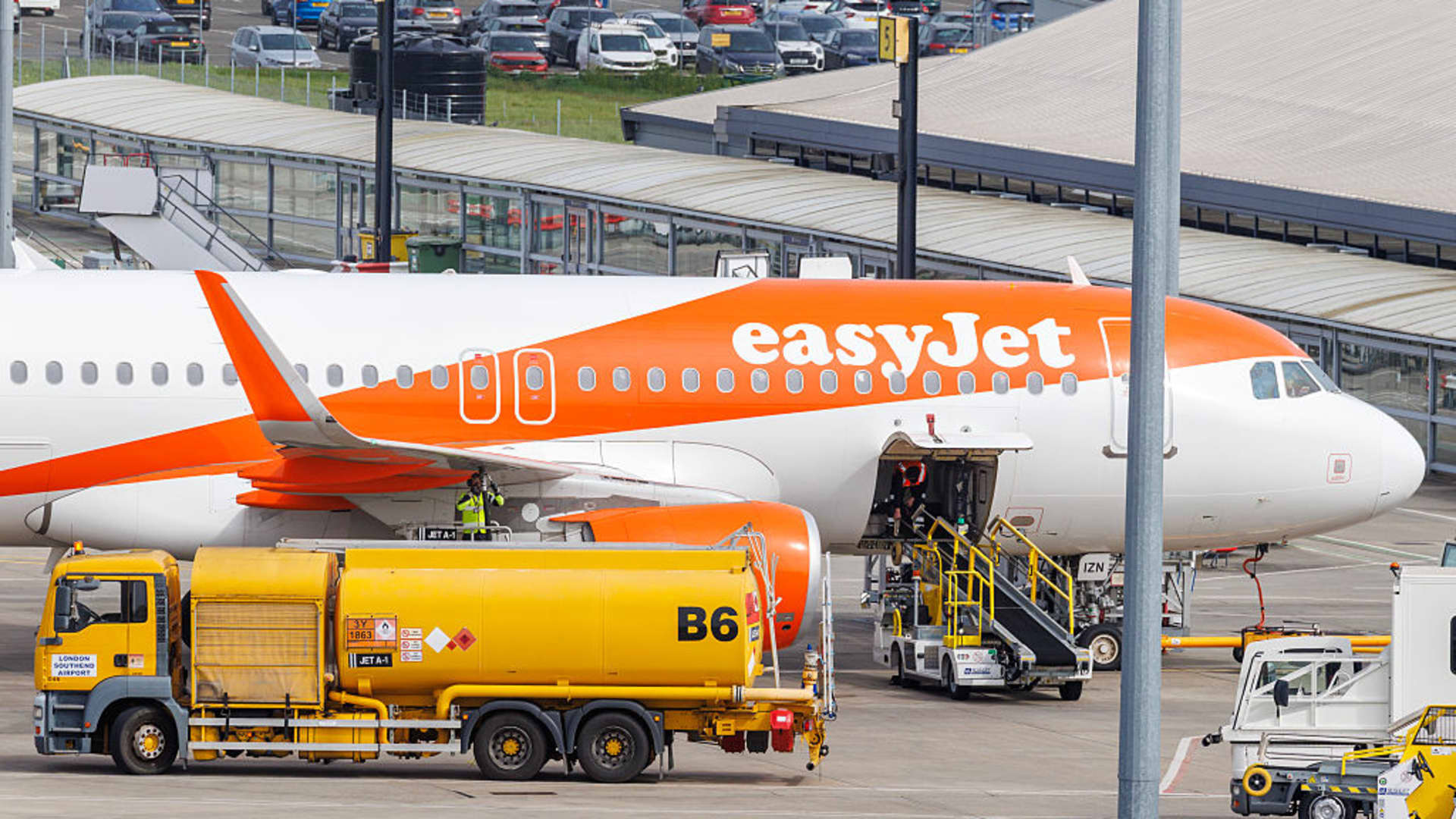
The closure of the Strait of Hormuz following the February 28 conflict between the U.S., Israel, and Iran has fundamentally altered the global energy landscape, shifting the market from a period of managed supply to one of acute scarcity. While the initial weeks of the conflict allowed for a grace period as tankers already in transit reached their destinations, that buffer has now evaporated. The result is a systemic disruption in jet fuel availability that threatens to curtail summer travel across Asia and Europe, with the downstream effects now beginning to pressure U.S. domestic supply chains.
The Mechanism of Supply Contraction
Before the blockade, the Persian Gulf served as the world's primary source of jet fuel and the crude oil feedstocks required to produce it. According to the International Energy Agency, approximately 20% of Europe's jet fuel originated from the Gulf, while 90% of the oil exported through the strait was destined for Asian refineries. The loss of these flows has created a dual-front crisis. Asian refineries, which typically rely on Middle Eastern crude, are struggling to maintain output levels, while Europe faces a direct loss of finished product imports.
Data from Kpler illustrates the severity of the contraction: global jet fuel exports plummeted 30% to 1.3 million barrels per day (bpd) in April, compared to 1.9 million bpd in the same month last year. The physical movement of fuel is even more constrained, with tanker loadings falling 50% to 18.6 million barrels last week, down from 37.8 million barrels in the same week of 2025. This is not merely a pricing issue; it is a logistical failure that will persist even if the conflict were to cease immediately. Chevron CEO Mike Wirth noted that normalizing supply chains would require weeks or months to clear mines from the strait and redeploy hundreds of stranded vessels.
Refiner Response and Export Reallocation
U.S. refiners have become the primary stopgap for a desperate European market. Exports of jet fuel from the U.S. to Europe surged more than 400% to 94,000 bpd in April compared to February levels. Major independent refiners are aggressively reconfiguring their output to capture these margins. Valero Energy has increased jet fuel to 30% of its total distillate production, up from its typical 26%, and is currently evaluating the conversion of additional refinery capacity to produce jet fuel. Similarly, Marathon Petroleum added 30,000 bpd of jet fuel production capacity at its Garyville, Louisiana facility in March.
While these efforts provide a temporary cushion, they introduce new vulnerabilities. By prioritizing exports to Europe, U.S. refiners are tightening domestic availability. The U.S. West Coast remains particularly exposed, as it historically imported 93,000 bpd of jet fuel in 2025, with over 80% sourced from South Korean refineries. As those Asian facilities face their own feedstock shortages, the West Coast faces a potential supply squeeze that could mirror the challenges currently seen in international markets.
Valuation and Inventory Realities
Market participants tracking the energy sector should distinguish between the immediate price volatility and the underlying inventory depletion. Jet fuel prices in Europe have doubled over the past year to $187 per barrel as of May 1. However, the more critical metric is the drawdown of commercial inventories. Exxon Mobil CEO Darren Woods emphasized that the market has relied on these stocks to bridge the gap, but they are rapidly approaching working minimums.
For those evaluating the sector, the current Alpha Scores provide a snapshot of how major players are positioned: XOM holds an Alpha Score of 57/100 (Moderate), COP sits at 52/100 (Mixed), and CVX at 45/100 (Mixed). These scores reflect the inherent uncertainty in navigating a supply-constrained environment where operational agility is the primary determinant of performance.
The Domino Effect on Global Travel
The economic consequences are already manifesting in the aviation sector. Lufthansa has slashed 20,000 short-haul flights through October, citing fuel costs as a primary driver. The Airports Council International Europe warned in an April 9 letter that the continent faces a systemic shortage if exports do not resume in a stable manner. While European Commissioner for Transport Apostolos Tzitzikostas stated as of April 21 that there was no evidence of immediate shortages, the reliance on U.S. imports suggests that any disruption to the trans-Atlantic supply chain would have immediate, localized impacts on airport operations.
Investors should look for signs of inventory stabilization or further capacity expansion announcements from U.S. refiners as the next concrete markers of market health. The current situation is a cascading failure where jet fuel is merely the first product to show the strain. As Kpler research director Matt Smith noted, the crisis is likely to spread across the globe and into other refined products as the lack of crude feedstocks forces refineries to make difficult choices regarding their product slates. For a deeper look at how these shifts impact broader commodities analysis, monitor the divergence between regional price benchmarks and the speed of inventory depletion in the coming weeks.