President Donald Trump's threat to "blow up" Oman and Treasury Secretary Scott Bessent's warning of aggressive sanctions have reintroduced a geopolitical risk premium into crude oil pricing. The Strait of Hormuz, handling about 20% of global oil traffic, is now the focal point. The simple read is that Trump's rhetoric is bluster that will fade. The better read is that threatening a Gulf Cooperation Council ally breaks a long-standing norm, raising the probability of actual U.S.–Oman friction and potentially pushing Muscat closer to Tehran.
Macro Signal: US Threatens Oman Over Strait of Hormuz
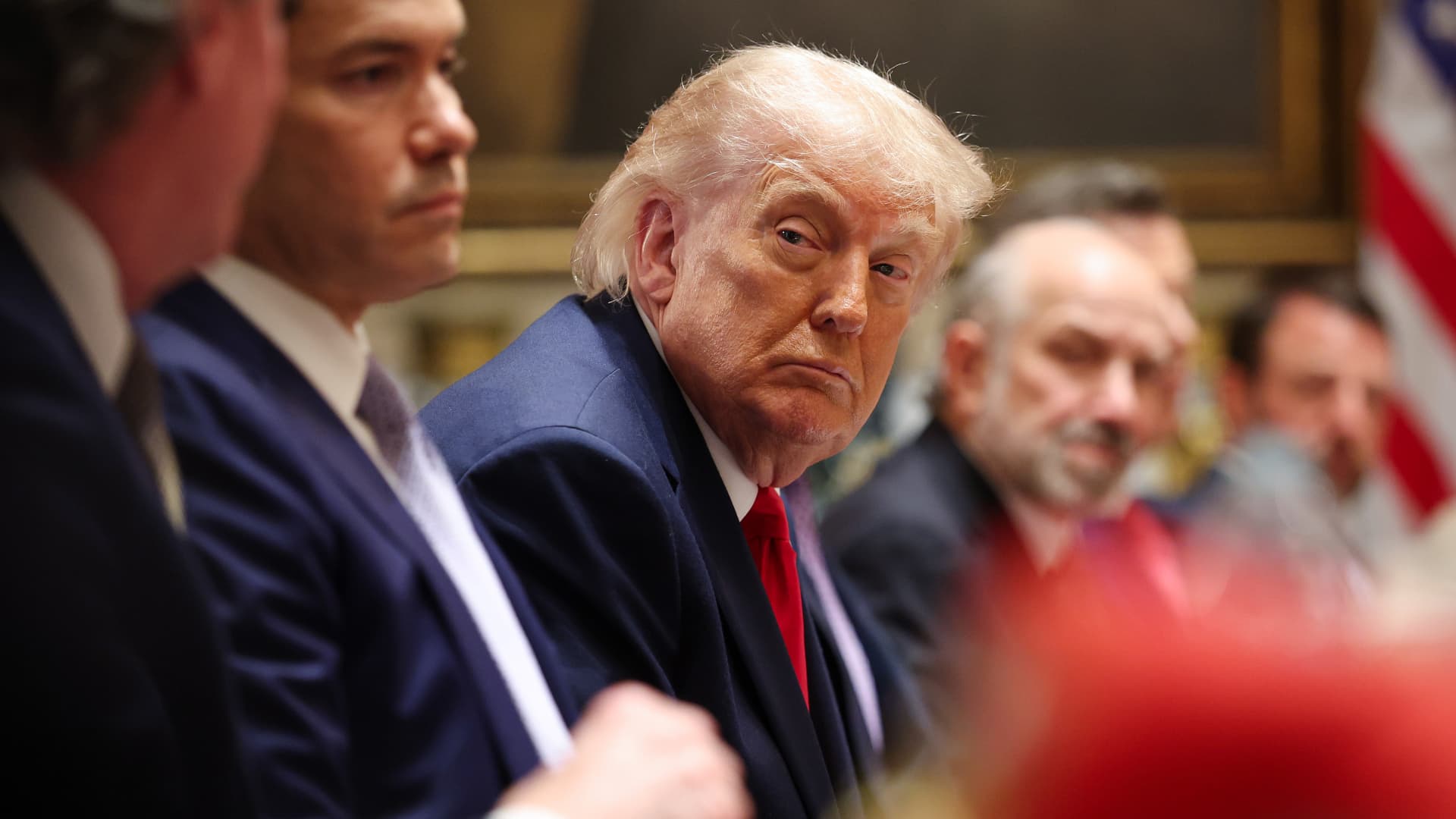
Trump made the remark during a cabinet meeting when a reporter asked about reports that Iran and Oman were discussing joint management of the strait. "Oman will behave just like everybody else, or we'll have to blow them up. They understand that. They'll be fine," Trump said. Hours later, Bessent posted on X that the Treasury would "aggressively" target any actors involved in facilitating tolls for the strait and that "all nations should reject outright any efforts by Iran to disrupt the free flow of commerce."
Mehran Haghirian, director of research at the Bourse & Bazaar Foundation, called this the first time the U.S. had threatened to attack a GCC state. Brian Katulis, senior fellow at the Middle East Institute, said the threat is performative: "It's yet another example of his performative diplomacy and use of troll power that is not likely to be anything more than just words." Sen. Chris Murphy, D-Conn., called the threat "just one more sign of why this war has gone off the rails."
The Tolling Mechanism
Iran has previously indicated it could jointly manage the strait with Oman. Muscat has not confirmed any such plan. A tolling system would let Tehran charge fees on tanker passage, effectively monetizing its geographic control of the eastern side. Oman's territory sits on the western side, giving it a natural role in any joint arrangement. The U.S. views this as sanction evasion and a direct challenge to the free flow of oil.
Bessent's Sanctions Warning
Bessent's post did not specify which Omani entities would be targeted. The threat is concrete: any bank, shipping company, or port operator that facilitates toll payments to Iran could face U.S. secondary sanctions. That would freeze dollar clearing for Omani institutions and disrupt trade flows beyond oil. Omani officials have not responded to CNBC's request for comment.
Transmission Through Oil and Shipping
Brent crude futures typically add a $2–$5 per barrel geopolitical premium when the strait is threatened. The current setup is more dangerous because it involves a U.S. ally, not an adversary. Oman has historically positioned itself as the "Switzerland of the Middle East," a mediator that talks with all parties, Katulis said. Trump's threat undermines that role and could push Muscat closer to Tehran.
Oil Price Floor
The 20% of global oil traffic figure sets a hard floor under crude prices. Even if no disruption occurs, the threat itself keeps the risk premium elevated until the U.S. and Iran finalize a ceasefire deal. Reuters reported Thursday that the two sides reached a deal to extend their ceasefire and lift restrictions on shipping through the strait. Trump has not approved it, and Iranian state media said it is not finalized.
Shipping Insurance and Tanker Rates
War risk premiums for tankers transiting the strait will rise. The London insurance market already charges extra for vessels entering the Gulf. A formal tolling system would add a new layer of cost and legal risk. Tanker owners may reroute around the Cape of Good Hope, adding 10–15 days to voyages and tightening global tanker supply.
Safe Haven Flows: Gold and Dollar
Geopolitical risk typically drives capital into gold and the U.S. dollar. Gold has already been rallying on tariff uncertainty and central bank buying. The Oman threat adds a fresh catalyst. The gold profile shows that gold tends to gain 1–3% in the week following a Gulf escalation. The dollar index may strengthen on risk aversion. The long-term effect is ambiguous: threatening a reliable ally erodes trust in U.S. security guarantees, which could weaken the dollar over time.
GCC Currency and Bond Risk
Oman's rial is pegged to the dollar at 0.3845. The peg is backed by the central bank's reserves. A sanctions hit could drain those reserves quickly. Other GCC states, especially the UAE and Saudi Arabia, face contagion risk if the U.S. escalates against a fellow Gulf state. Bond spreads on Omani sovereign debt will widen. The cost of insuring Omani debt via credit default swaps will rise.
Equity and Sector Read-Through
Energy stocks are the obvious beneficiary. U.S. oil majors with Gulf exposure, such as Exxon Mobil and Chevron, will see their upstream valuations supported by higher oil prices. Defense contractors like Lockheed Martin and RTX could gain if the rhetoric leads to increased military deployments.
India and Emerging Market Exposure
India imports about 80% of its crude oil, with a large share coming from the Gulf. A sustained oil price spike worsens India's trade deficit, fuels inflation, and pressures the rupee. The Reserve Bank of India would face a harder choice between rate cuts and currency stability. The Mixed SPX Futures Signal Two Opposing Risk Regimes article notes that U.S. equity futures are already pricing conflicting narratives of rate cuts and tariff risk. Adding a Gulf crisis would tilt the balance toward risk-off.
Shipping and Logistics Stocks
Tanker owners like Frontline and Euronav could see short-term rate spikes. The risk of sanctions on Omani ports could disrupt regional logistics. Port operators in Dubai and Fujairah may see increased traffic as vessels avoid Omani waters.
Next Decision Point: Ceasefire Deal and Trump's Approval
The immediate catalyst is Trump's decision on the reported ceasefire deal. If he approves it, shipping restrictions are lifted and the tolling threat recedes. If he rejects it or delays, the risk of actual disruption rises. The Gulf Cooperation Council may issue a statement condemning Trump's words, which would further strain U.S.–GCC relations.
What confirms the risk:
- Omani cooperation with Iran on a tolling mechanism.
- U.S. sanctions on Omani banks or shipping companies.
- Actual disruption to tanker traffic through the strait.
- Trump approves the ceasefire deal without lifting the threat.
What weakens the risk:
- Omani denial of any tolling plan.
- Trump walks back his rhetoric or approves the ceasefire deal.
- GCC states publicly reaffirm commitment to free navigation.
- Bessent clarifies that sanctions will not target Omani sovereign entities.
The oil risk premium will remain elevated until one of these paths is confirmed. For traders, the cleanest hedge is long crude and long gold, with a short position on Omani sovereign bonds or regional shipping equities. The next concrete marker is Trump's decision on the ceasefire deal, which could come within days.