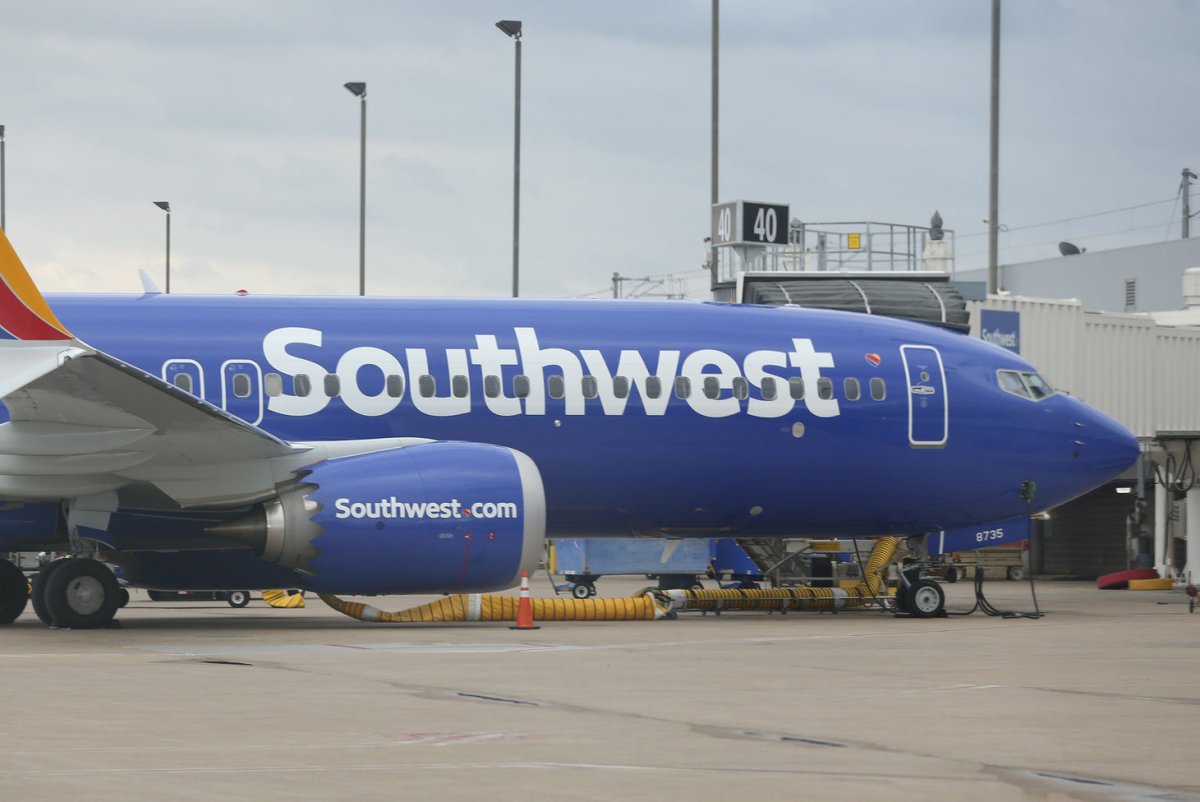
A procedural breakdown at Nashville International Airport this weekend forced two Southwest Airlines flights into a close-proximity encounter, with the aircraft passing within 500 feet of one another. The incident occurred as one flight was cleared for takeoff while another was simultaneously cleared to cross the same runway. This event places renewed focus on the carrier's operational protocols and the broader safety infrastructure governing regional air traffic control.
Operational Risk and Safety Oversight
The proximity of the two aircraft, described as being within the length of two football fields, represents a significant deviation from standard separation requirements. While the immediate collision was avoided through evasive action, the event highlights the fragility of ground-to-air coordination during high-traffic intervals. Southwest Airlines now faces the task of reconciling this incident with its internal safety management systems. The incident serves as a primary marker for how the airline manages its flight deck communication and runway clearance procedures under pressure.
Sector Read-Through and Regulatory Exposure
For the broader industrials sector, this incident acts as a catalyst for increased regulatory oversight regarding runway safety. Investors are currently evaluating how such operational lapses influence the long-term cost structure of major carriers. Increased scrutiny from federal aviation authorities often leads to mandatory procedural audits, which can temporarily disrupt scheduling efficiency and increase compliance expenditures. The market is now assessing whether this event is an isolated procedural failure or a symptom of broader staffing or communication strain within the LUV stock page operational framework.
AlphaScala Data Context
Within our current coverage, Southwest Airlines (LUV) maintains an Alpha Score of 47/100, reflecting a mixed outlook as the company navigates these operational headwinds alongside its broader financial strategy. This score incorporates recent volatility in the sector and the ongoing demand for reliable, high-frequency domestic travel. Investors monitoring the stock market analysis landscape should note that while the company remains a central player in the domestic market, operational incidents of this nature often lead to a re-rating of risk premiums in the short term.
Future updates from the National Transportation Safety Board and the Federal Aviation Administration will provide the definitive account of the communication chain that led to the clearance error. The next concrete marker for stakeholders will be the release of the preliminary investigation report, which will determine if the incident necessitates a systemic overhaul of runway clearance protocols at major hubs. Until then, the focus remains on how the carrier addresses the immediate findings of the ongoing safety review.