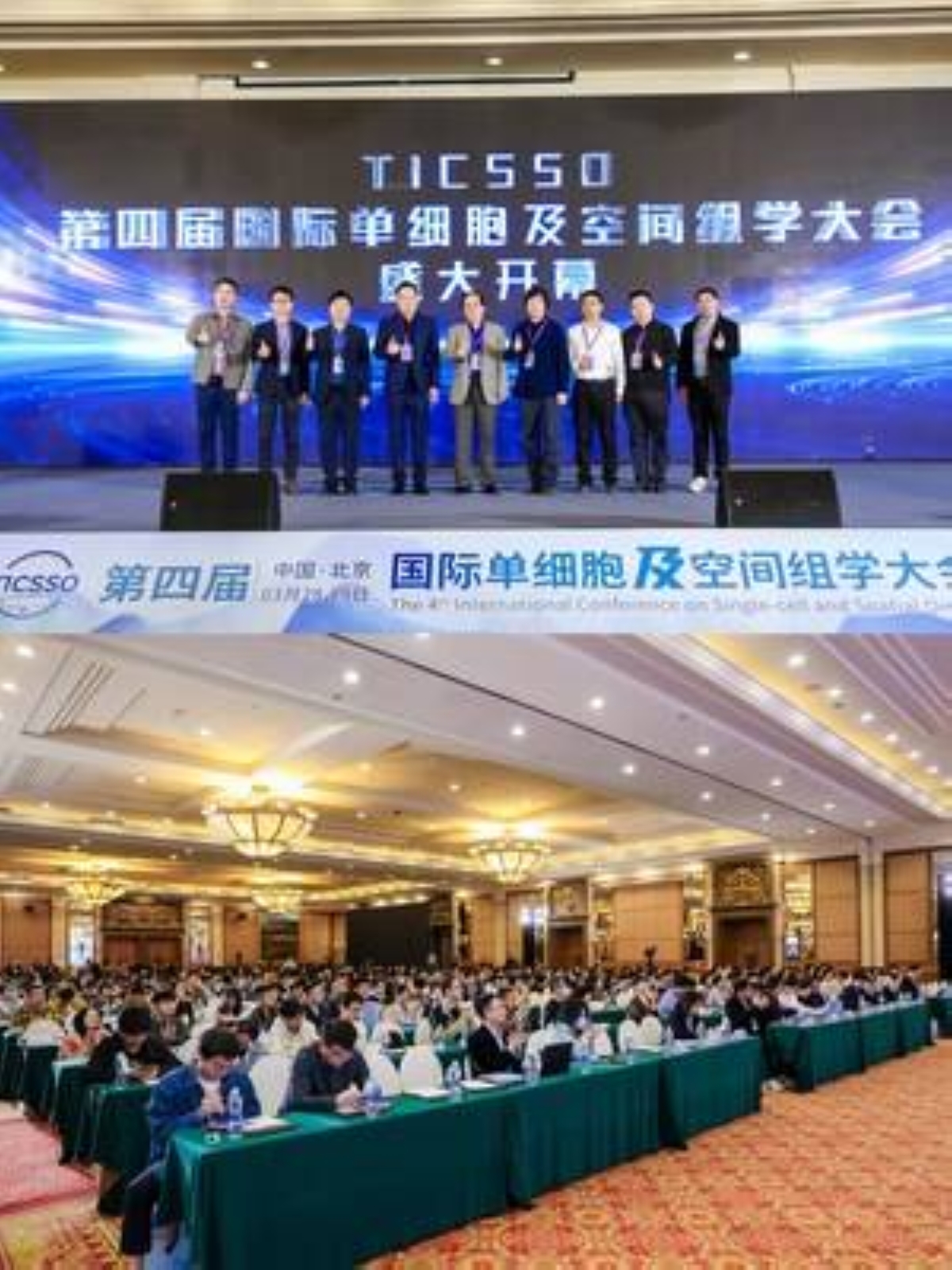
Single-Cell and Spatial Omics Sector Gains Momentum Following Beijing Conference

The 4th International Conference on Single-Cell and Spatial Omics in Beijing drew over 5,000 participants, signaling increased momentum for AI-driven biological mapping and precision medicine.
The 4th International Conference on Single-Cell and Spatial Omics concluded in Beijing on March 30, drawing over 5,000 participants to discuss the convergence of artificial intelligence and biological mapping. Organized by a consortium including the Macau University of Science and Technology and Fudan University, the event focused on the theme of Atlas, AI, and Acceleration. The high registration volume suggests a deepening interest in the commercial and clinical applications of high-resolution cellular analysis.
Industry Integration and AI Acceleration
The conference highlighted the role of AI in processing complex spatial omics data, a critical bottleneck for firms operating in the life sciences sector. By bringing together researchers, entrepreneurs, and investors, the event served as a nexus for evaluating how single-cell sequencing technologies can be scaled for broader diagnostic and therapeutic use. The collaborative nature of the event reflects a shift toward standardized data frameworks, which are essential for the maturation of the spatial omics market.
Sector Read-Through
For investors monitoring the stock market analysis landscape, the event serves as a proxy for the health of the broader biotechnology and sequencing equipment sectors. The emphasis on accelerating data interpretation through machine learning points to a potential increase in capital expenditure toward computational biology platforms. As firms move from basic research to clinical integration, the ability to translate spatial data into actionable medical insights remains the primary catalyst for long-term valuation growth. The success of the Beijing forum underscores the growing international focus on these technologies, positioning them as a core component of future precision medicine initiatives.
AI-drafted from named sources and checked against AlphaScala publishing rules before release. Direct quotes must match source text, low-information tables are removed, and thinner or higher-risk stories can be held for manual review.