Stocks● Neutral
Alligator Drive-Through Breach Exposes Regional Branch Risks
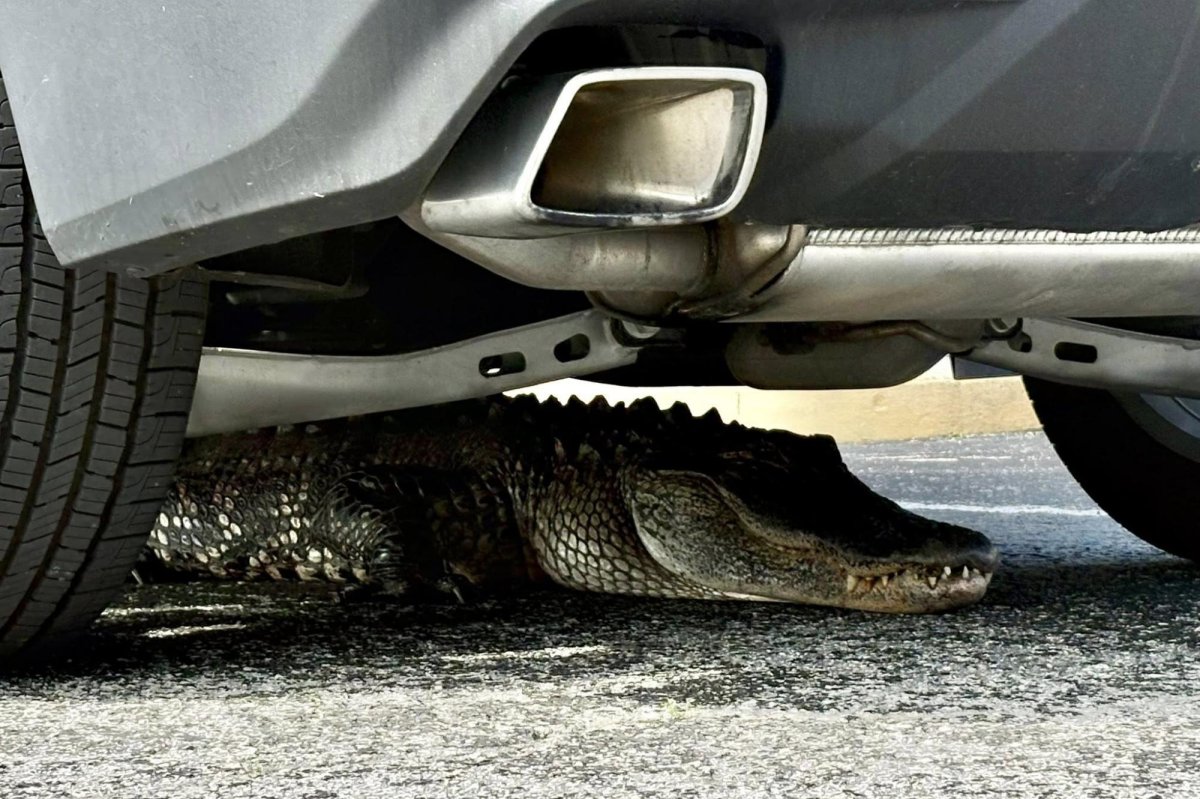
Unexpected wildlife incursions force branch closures, testing the physical site integrity and contingency protocols essential for regional bank operations.
Continue with
A rare operational disruption occurred at a North Carolina bank branch when an alligator entered the facility's drive-through lane. Local law enforcement and animal protective services were required to intervene to remove the animal and restore access to the site. While the incident remained localized, it serves as a reminder of the physical security and site management variables that can impact regional branch operations.
Physical Site Integrity and Branch Continuity
Financial institutions rely on the consistent availability of drive-through infrastructure to maintain throughput for retail banking services. When physical obstructions occur, whether due to environmental factors or unexpected wildlife, the immediate impact is a temporary suspension of service at the affected location. This event underscores the necessity for branch managers to maintain robust contingency protocols for site access. While most risk management frameworks focus on digital security or liquidity, physical site integrity remains a prerequisite for daily operations.
Regional banks often face unique environmental challenges that can influence the stability of their physical footprint. The presence of wildlife in commercial zones is a variable that requires coordination with local authorities to ensure that service interruptions are minimized. For investors monitoring stock market analysis, these localized events rarely affect broader institutional performance, but they do highlight the operational sensitivity of brick-and-mortar banking models in specific geographic regions.