Stocks● Neutral
India Expands Export Relief to Counter West Asia Trade Risks
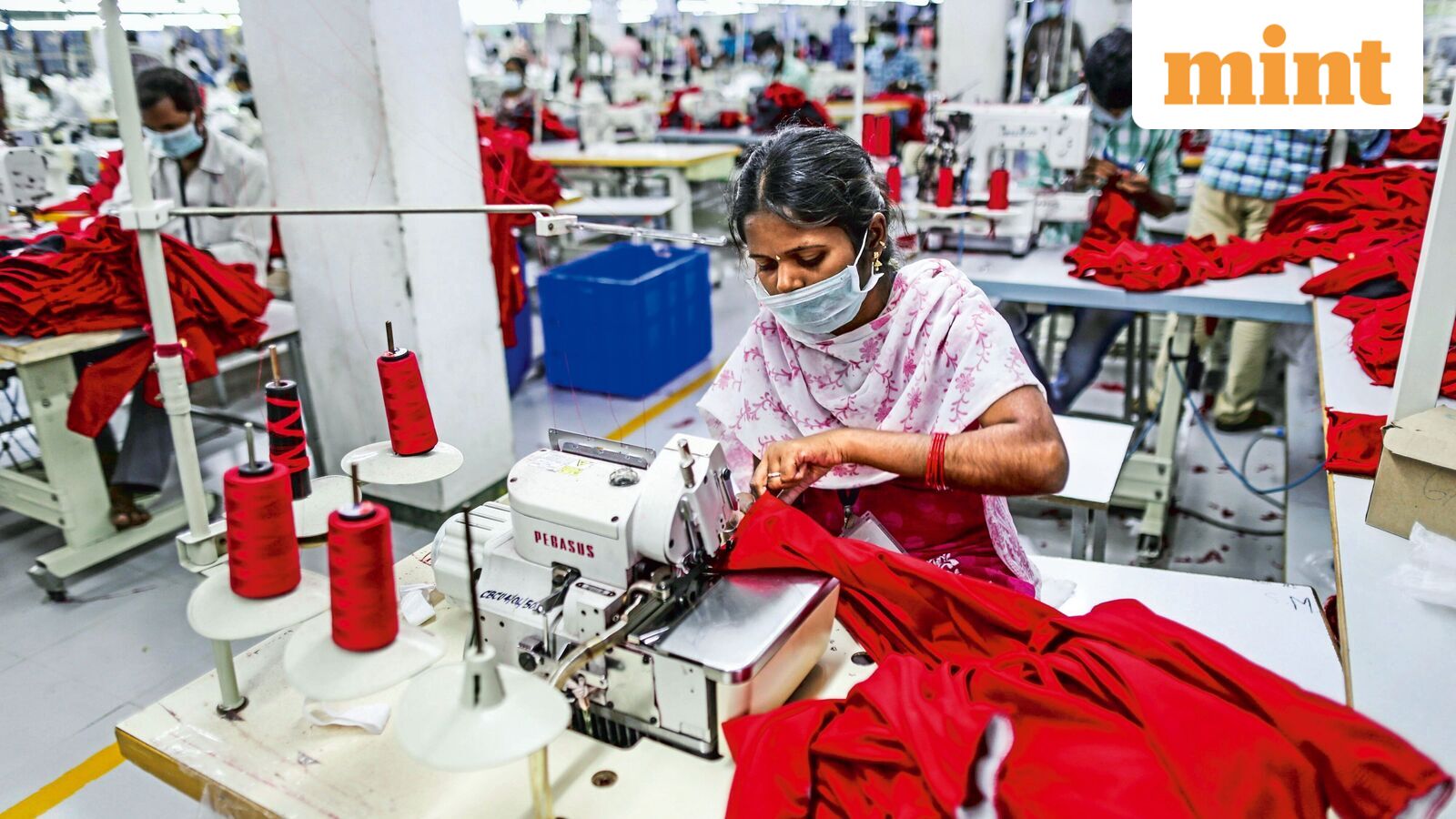
Expanded credit coverage for Egypt and Jordan aims to stabilize trade flows after a 12% rise in shipping insurance volatility. Watch upcoming trade data reports.
Continue with
The Indian government has expanded its export relief coverage to include Egypt and Jordan, a move designed to insulate domestic traders from the deepening logistical instability across West Asia and North Africa. By extending credit protection to both final deliveries and transhipment cargo, the policy shift acknowledges that trade routes in the region are no longer operating under standard risk parameters. This adjustment provides a necessary buffer for exporters who have faced mounting uncertainty as regional conflicts disrupt traditional shipping lanes and increase the cost of capital for cross-border transactions.
Broadening the Geographic Risk Perimeter
The inclusion of Egypt and Jordan serves as a direct response to the spillover effects of regional instability. These nations function as critical nodes in the broader trade architecture, and their integration into the relief framework suggests that the government views the current supply chain friction as a structural issue rather than a temporary bottleneck. For exporters, this coverage reduces the financial exposure associated with cargo delays or the forced rerouting of goods. The decision to cover transhipment cargo is particularly significant, as it addresses the vulnerability of goods moving through secondary ports that have become increasingly congested or restricted due to the ongoing geopolitical climate.
Operational Impact on Export Finance
The expansion of this relief cover alters the risk-reward calculus for firms operating within the West Asia–North Africa corridor. By mitigating the potential for total loss on shipments caught in regional transit, the policy allows companies to maintain trade flows that might otherwise be deemed too risky under standard insurance or credit terms. This is a critical development for sectors reliant on high-frequency, low-margin exports, where a single shipment delay can erode the profitability of an entire quarter. The policy effectively shifts a portion of the geopolitical risk from the private sector to the state, stabilizing balance sheets for firms that have struggled to secure private credit for these specific trade routes.