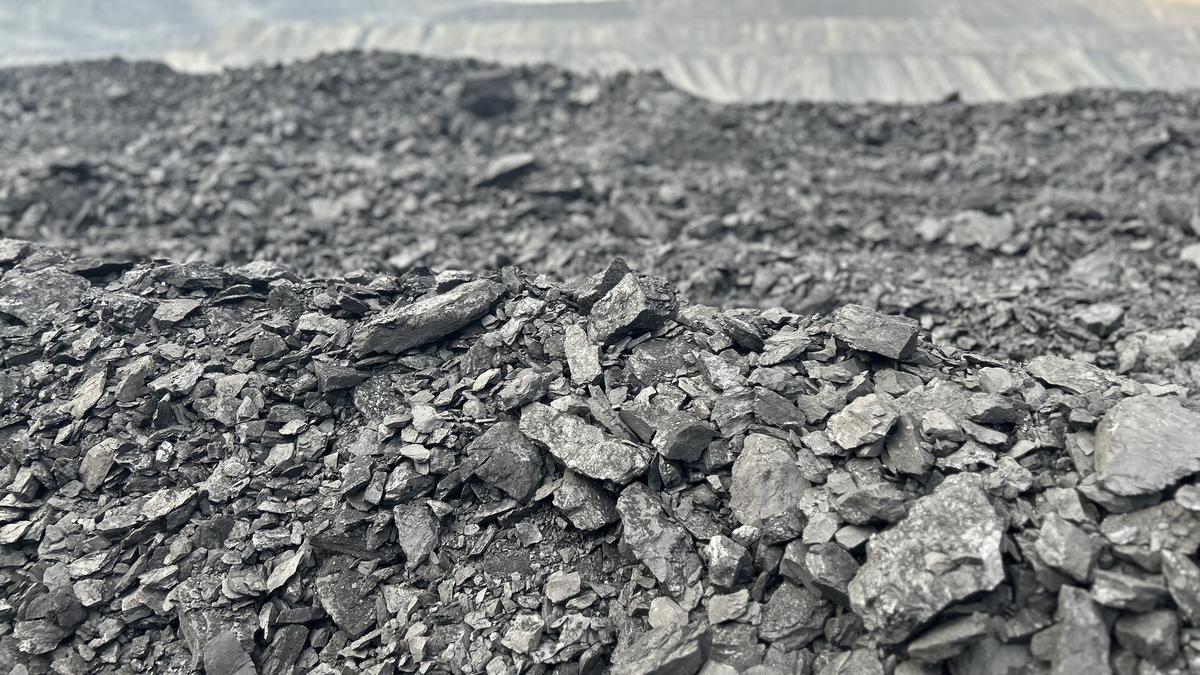
The Indian Ministry of Coal launched its 15th round of commercial mine auctions on April 17, 2026, signaling a continued push to reduce reliance on imported fuel. This latest phase offers 11 coal blocks across multiple states, with a specific focus on coking coal assets. By prioritizing these specific deposits, the government aims to address structural supply constraints that have historically impacted domestic steel production costs and industrial output.
Strategic Focus on Coking Coal Assets
The inclusion of coking coal blocks in this auction cycle represents a shift in the government's resource allocation strategy. Unlike thermal coal, which is primarily used for power generation, coking coal is a critical raw material for the blast furnace route of steel manufacturing. Domestic steel producers have long faced volatility in international markets, where supply disruptions or price spikes in coking coal directly compress margins. By bringing these specific blocks into the commercial auction framework, the Ministry is attempting to incentivize private sector investment in extraction technologies that can unlock deeper or more complex reserves.
This auction round is designed to streamline the transition from exploration to production. The Ministry has implemented several updates to the bidding process to lower entry barriers for smaller players and specialized mining firms. The success of this round will be measured by the participation rates of both integrated steel manufacturers and independent mining companies. Increased domestic output from these 11 blocks could provide a buffer against global commodity price cycles, potentially stabilizing input costs for heavy industry.
Sector Read-Through and Supply Chain Integration
The broader implications for the industrial sector depend on how quickly these blocks can move from the bidding stage to operational status. Historically, the lag between winning a bid and achieving commercial production has been a significant hurdle for the sector. If the 15th round successfully attracts capital, it could signal a shift in how stock market analysis interprets the long-term cost structure of domestic steel and energy firms. Investors are looking for evidence that the government can maintain the pace of these auctions without encountering the regulatory bottlenecks that plagued earlier rounds.
- The auction includes 11 distinct coal blocks.
- Geographic distribution spans multiple states to ensure regional supply diversity.
- Coking coal remains the primary focus to support domestic steel manufacturing.
This initiative aligns with broader efforts to improve the efficiency of the national energy stack. As firms continue to navigate the complexities of the efficiency paradox, the ability to secure reliable, domestically sourced raw materials becomes a competitive advantage. The integration of these new mines into the national supply chain will likely influence the capital expenditure plans of major industrial players over the next several quarters.
The next concrete marker for this auction cycle will be the submission deadline for technical and financial bids. Following the close of the bidding window, the Ministry will conduct a formal evaluation process to determine the successful applicants for each block. Market observers will monitor the final list of winners to assess whether the auction has successfully attracted new entrants or if the assets are being consolidated by existing major mining conglomerates.