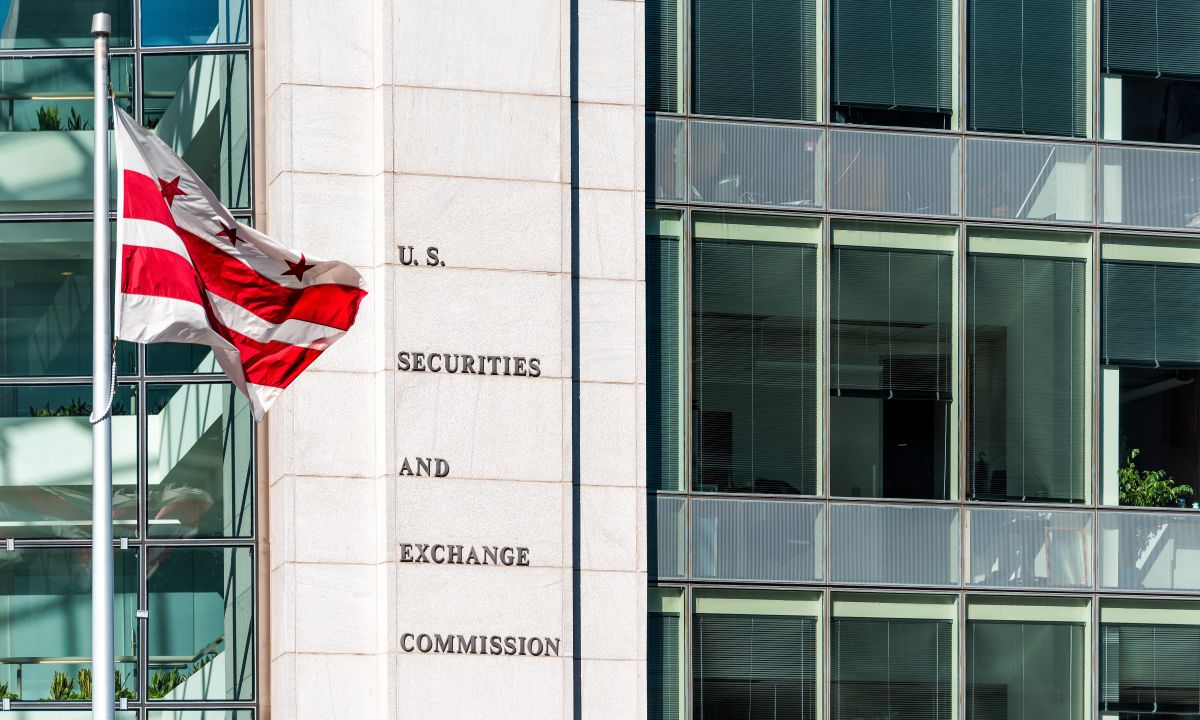
The Securities and Exchange Commission has launched an investigation into allegations of fraud within the private credit markets, marking a significant escalation in regulatory scrutiny of the sector. SEC Chairman Paul S. Atkins confirmed the probe on May 4 during the Milken Institute’s Global Conference 2026, noting that while he could not comment on specific ongoing cases, the agency is actively pursuing claims of misconduct. This development arrives as the private credit space, which has become a primary funding source for small and medium-sized enterprises, faces mounting pressure from both federal regulators and banking leadership.
Regulatory Oversight and Systemic Risk Assessments
Chairman Atkins emphasized that the SEC does not currently view the private credit market as a systemic risk, though he confirmed that the Financial Stability Oversight Council is maintaining active monitoring. The agency’s stance balances the necessity of private credit for economic growth against the potential for localized failures. Because traditional capital requirements often restrict bank lending to smaller firms, private credit has filled a critical void in the U.S. economy. However, the shift toward non-bank lending has drawn the attention of the Treasury Department, which scheduled meetings with domestic and international insurance regulators starting in May to evaluate the industry’s stability.
Psychological Contagion and Market Stress
Federal Reserve Governor Michael Barr has identified a specific mechanism of concern: psychological contagion. In comments provided to Bloomberg News on May 3, Barr suggested that stress within private credit could trigger a broader credit crunch, even if direct balance-sheet connections between banks and private lenders remain manageable. The risk is not necessarily a direct default cascade, but rather a shift in market sentiment that could freeze liquidity for firms reliant on these non-bank sources. This perspective aligns with broader stock market analysis regarding how liquidity constraints often manifest first in private, opaque markets before impacting public equity valuations.
Institutional Warnings on Credit Quality
JPMorganChase CEO Jamie Dimon added to the cautious outlook on April 28, warning that the private credit sector is vulnerable to a worse-than-anticipated downturn. Dimon highlighted that the sheer volume of companies currently funded through private credit vehicles suggests that a market correction would inevitably expose significant credit quality issues. Because these loans are often held by insurance companies and other institutional investors, the potential for second-order effects on the broader financial system remains a focal point for risk managers.
For investors evaluating exposure to firms like Welltower Inc. (WELL), which carries an Alpha Score of 52/100 and operates within the Real Estate sector, the regulatory environment is shifting toward higher transparency requirements. You can track further updates on the WELL stock page to see how these broader credit market trends influence valuation metrics and capital access.
The Path to Market Resolution
What would reduce the current risk profile is a clearer framework for how insurance regulators intend to treat private credit assets on their balance sheets. If the Treasury Department’s meetings in May result in standardized reporting or capital buffers, the market may move past the current phase of uncertainty. Conversely, the risk would intensify if the SEC’s fraud investigations reveal systemic mispricing or widespread governance failures among private lenders. Such findings would likely force a repricing of risk across the entire credit spectrum, potentially impacting the cost of capital for the very small and medium-sized businesses that rely on these markets for survival. Market participants should look for signs of tightening credit standards or increased disclosure requirements as the primary indicators of a cooling sector.