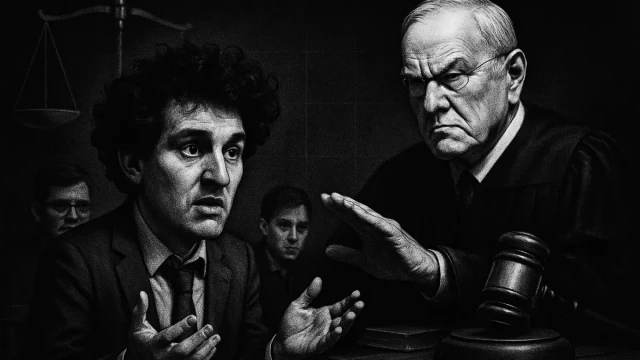
Judge Lewis Kaplan has formally rejected Sam Bankman-Fried’s motion for a new trial, effectively closing the door on attempts to relitigate the FTX fraud conviction at the district court level. The ruling, issued after Bankman-Fried failed to meet court-imposed deadlines for his response to the government’s opposition, signals a definitive end to the defendant’s attempt to introduce new evidence or witness narratives before the original presiding judge. This decision reinforces the legal boundary between post-conviction bankruptcy recoveries and the underlying criminal conduct established during the trial.
The Procedural Wall and Judicial Skepticism
The court’s rejection was as much a procedural statement as a substantive one. Kaplan noted that the prosecution had filed a comprehensive opposition to the retrial request, and despite being granted additional time to respond, Bankman-Fried failed to meet the deadline. By declaring the motion "ripe for decision," the court signaled that the window for further debate had closed. This approach serves as a warning against the use of late-stage filings to delay or complicate the judicial record. The court’s refusal to grant an evidentiary hearing or a partial reopening underscores the high threshold required to challenge a jury verdict once it has been rendered.
The Failure of Post-Conviction Narratives
Bankman-Fried’s motion, filed pro se on February 5, 2026, relied heavily on the claim that new evidence had emerged which could have altered the trial’s outcome. However, Kaplan’s order suggests that the court viewed these claims as recycled arguments rather than genuine new discoveries. The judge specifically addressed the attempt to reframe testimony from former FTX engineering chief Nishad Singh and others, noting that a defendant cannot simply repackage existing witness testimony to create a new defense. Kaplan’s skepticism extended to the evolving narratives presented by former associates in media appearances, noting that if these new versions were true, they would imply that the witnesses had committed perjury during their original sworn testimony. This creates a significant credibility hurdle that the defense failed to clear.
Bankruptcy Recovery vs. Criminal Liability
A recurring theme in the defense’s strategy has been the argument that because bankruptcy proceedings have resulted in significant recoveries for creditors, the original criminal charges should be viewed differently. Kaplan’s ruling effectively decouples these two concepts. In the eyes of the court, the subsequent return of funds does not retroactively erase the fraudulent conduct or the misrepresentations made to investors and customers at the time of the events. This distinction is critical for those tracking the crypto market analysis and the broader legal landscape surrounding digital asset exchanges. The court’s refusal to treat bankruptcy outcomes as a "magic eraser" for criminal fraud remains a cornerstone of the case’s legal framework.
Shifting Focus to the Appellate Path
With the district court motion denied, the center of gravity for Bankman-Fried’s legal strategy shifts entirely to the appellate process. The rejection of this motion does not impact his pending appeal, which remains the primary vehicle for challenging the conviction and sentencing. However, the tone of Kaplan’s order provides a clear signal to higher courts. By documenting the thoroughness of the government’s opposition and the lack of merit in the defense’s recycled arguments, Kaplan has built a robust record that makes it difficult for the defense to argue that the motion was unfairly dismissed. For those monitoring the best crypto brokers and the regulatory environment, the takeaway is clear: the court is prioritizing established trial testimony over speculative, post-conviction claims.
Market and Regulatory Read-Throughs
The resolution of this retrial bid removes one potential source of noise from the FTX saga, allowing the focus to return to the substantive legal questions pending at the circuit level. While community sentiment often conflates solvency and treasury management with innocence, the criminal court’s focus remains strictly on the facts of the original representation and the movement of funds. The denial of this motion serves as a reminder that legal outcomes in major fraud cases are driven by evidence presented under oath, not by external media campaigns or the eventual recovery of assets. As the case moves toward the appellate stage, the market should expect less volatility from procedural filings and more focus on the core legal arguments regarding the original proceedings. Investors and observers should note that the court’s impatience with these motions suggests a desire to finalize the record, which may accelerate the timeline for the remaining appellate steps. For those interested in the broader ecosystem, understanding these legal boundaries is essential, especially as Digital Chamber Pushes SEC and CFTC for Crypto Legal Clarity remains a key theme in the industry.
Welltower Inc. (WELL) currently holds an Alpha Score of 52/100, reflecting a mixed outlook within the Real Estate sector as market participants navigate broader economic pressures. The firm's performance remains a point of interest for those tracking WELL stock page for signs of institutional positioning.