Stocks● Neutral
Saudi Tourism GDP Growth Hits 7.4% Outpacing Global Benchmarks
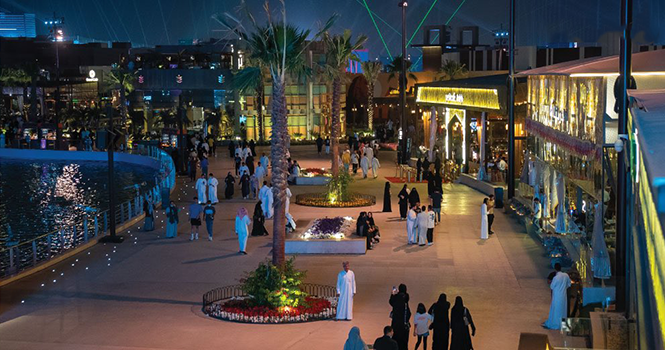
Saudi Arabia's tourism sector grew by 7.4% in 2025, nearly doubling the global rate of 4.1%. The $178 billion contribution signals a shift in regional capital.
Continue with
The World Travel & Tourism Council 2025 Economic Impact Report confirms that Saudi Arabia has solidified its position as the dominant force in the Middle East travel sector. With a total economic contribution reaching $178 billion, the Kingdom now accounts for 46% of the region’s entire tourism output. This scale is not merely a function of regional size but reflects a velocity of growth that significantly exceeds both global and local peers.
Sector Growth Velocity and Regional Dominance
The core metric driving this narrative is the 7.4% growth in the sector’s contribution to Saudi GDP. When compared to the global average growth rate of 4.1%, the Kingdom is operating at a pace nearly double that of the broader international market. This divergence is critical for analysts tracking stock market analysis because it suggests that the infrastructure and hospitality investments within the region are capturing market share at an accelerated rate.
By surpassing the Middle East regional growth average of 5.3%, Saudi Arabia is effectively siphoning growth potential from neighboring markets. The methodology used by the WTTC, which aggregates direct, indirect, and induced impacts, provides a comprehensive view of how capital expenditure in tourism is cascading through the local economy. For investors, this creates a clear read-through for firms exposed to regional hospitality, aviation, and infrastructure development.