Saudi Arabia has reached a significant threshold in its economic diversification strategy, with non-oil exports hitting record highs and the number of operational factories approaching 13,000. This industrial growth marks a structural pivot for the kingdom, moving from a reliance on raw hydrocarbon extraction toward a model defined by domestic manufacturing and value-added processing. The expansion is concentrated in sectors that require consistent inputs of raw materials, energy, and specialized logistics, fundamentally altering the regional demand profile for industrial commodities.
Industrial Infrastructure and Input Demand
The surge in factory counts necessitates a steady supply of base metals, chemical precursors, and construction materials. As the kingdom scales its manufacturing base, the demand for imported industrial inputs is being met by a combination of domestic production and expanded throughput at key logistics hubs like the Jeddah Islamic Port. This transition creates a localized demand pull that differs from traditional regional energy consumption patterns. The shift toward a manufacturing-heavy economy requires a more complex supply chain, where the availability of raw materials now directly correlates with the output capacity of the kingdom's industrial zones.
For a deeper look at how these structural changes impact regional energy and industrial demand, see our report on Saudi Non-Oil Expansion Alters Regional Energy and Industrial Demand Profiles. The integration of these industrial zones into global supply chains means that the kingdom is increasingly sensitive to the price and availability of global industrial commodities. This sensitivity is a departure from the historical focus on crude oil pricing, as the cost of production for these new factories is now tied to the global market for steel, aluminum, and plastics.
Logistics and Transit Efficiency
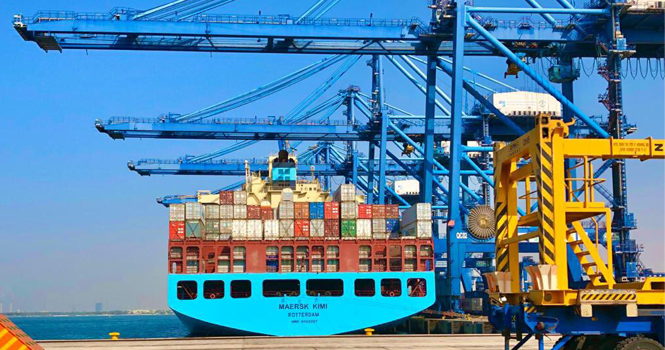
The record-breaking export figures are heavily supported by the modernization of port infrastructure. Efficiency at major transit points is now a primary determinant of the kingdom's ability to maintain its export growth trajectory. As industrial output increases, the pressure on maritime and land-based transport networks intensifies, making the reliability of these routes a critical factor for manufacturers. Any disruption in the flow of raw materials into these ports or finished goods out of them will have an immediate impact on the operational continuity of the 13,000 factories currently driving this growth.
AlphaScala data currently tracks various sectors to monitor these shifts in real-time. For instance, companies like HAS (HASBRO, INC.) are categorized as Unscored within our Consumer Cyclical sector, reflecting the broader market volatility that can influence consumer-facing manufacturing inputs. Our broader commodities analysis continues to monitor how these regional shifts in Saudi Arabia influence global pricing benchmarks for industrial raw materials.
The next concrete marker for this trend will be the release of updated industrial output data and quarterly trade balance reports. These figures will clarify whether the current pace of factory expansion is sustainable and how effectively the kingdom is managing the import-export balance of the raw materials required to sustain this industrial growth. Monitoring the utilization rates at major ports will provide the most immediate signal regarding the health of these supply chains.